
However, the passenger association Pro Bahn has warned that the simultaneous retirement of older trains may temporarily reduce seating capacity on some routes.
Many of DB‘s long-distance trains are considered outdated, prone to malfunctions, and lacking sufficient capacity. The company aims to reduce the average age of its ICE and Intercity fleet from the current 18 years to 12 years by 2030. Lukas Iffländer from Pro Bahn’s federal board criticized the plan, cautioning that too many trains could be decommissioned before enough new units are in service. This could lead to service gaps on certain lines.
In March of last year, DB received the final unit of the 137 new ICE 4 trains from Siemens Mobility. These were the first long-distance trains equipped with bicycle storage, offering at least 444 seats and capable of speeds up to 265 km/h. The ICE 4 has become the backbone of the ICE fleet, which has grown from about 270 trains in 2017 to approximately 400 today.
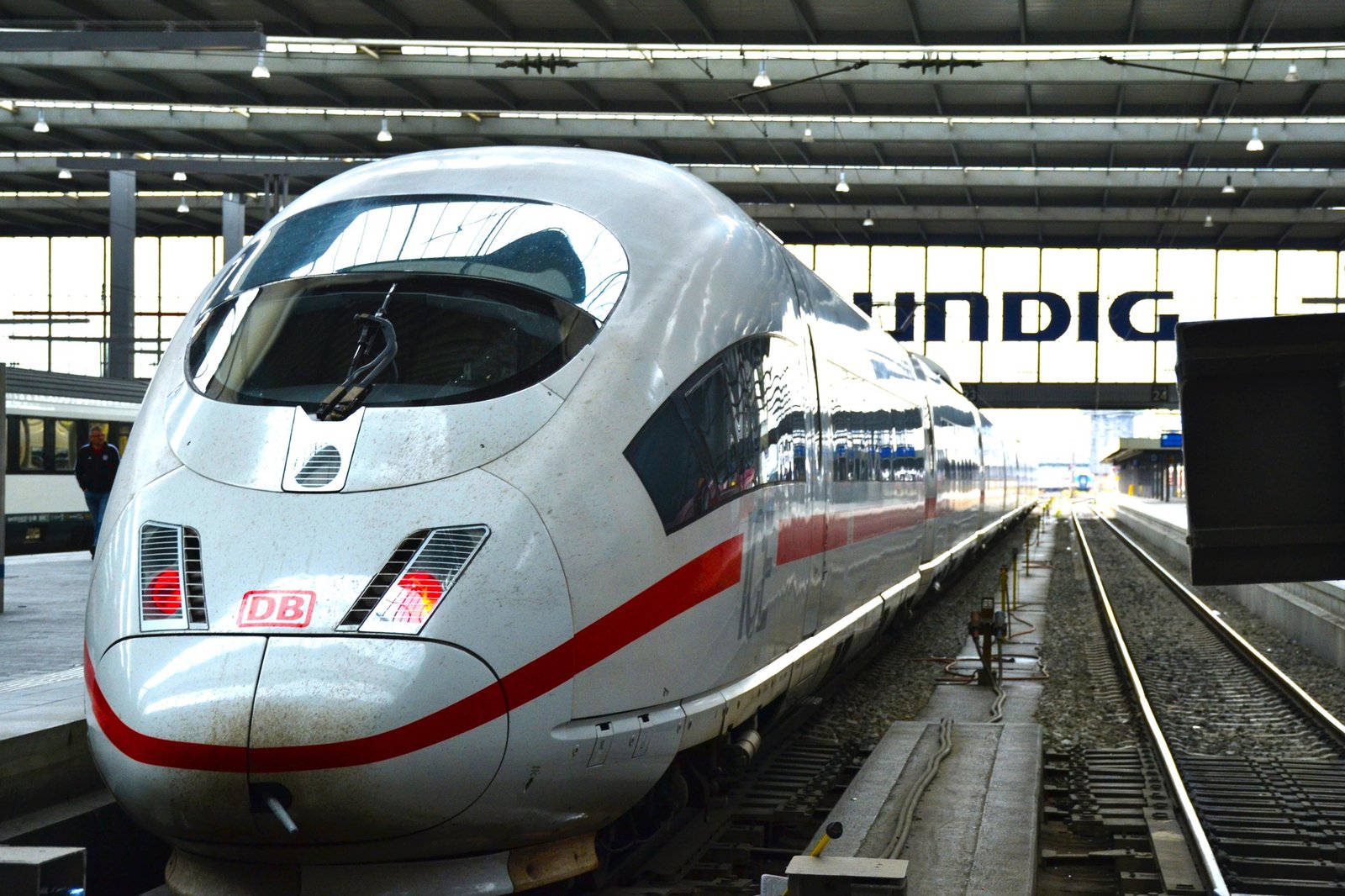
Additionally, the delivery of the new ICE 3 Neo series has been underway. These trains are an evolution of the ICE 3 models, with 90 units expected by 2028. Fifteen are scheduled for delivery this year, with 16 more next year. The ICE 3 Neo trains feature special windows that improve mobile reception and are deployed on key routes such as North Rhine-Westphalia–Munich, Frankfurt–Stuttgart, and international services to Amsterdam and Brussels.
ICE L Deliveries Facing Delays
In contrast, the ICE L trains from Spanish manufacturer Talgo are facing delays. DB has ordered 79 of these trains, originally scheduled to enter service in autumn last year. Their delivery is now postponed until at least the second half of 2025. DB expects only four units to arrive by the end of that year. Visually, the ICE L resembles an Intercity train more than a classic ICE.
DB highlights that its strategy of fleet modernization is intended to enhance reliability. According to the company, the availability of the ICE 4 and ICE 3 Neo is significantly higher than older models, and drive system failures have been reduced by 58% between 2019 and 2024 thanks to improved maintenance practices.
However, these improvements have not yet translated into better punctuality—over one-third of long-distance trains still run late. Pro Bahn remains skeptical. Iffländer described DB’s fleet strategy as “highly chaotic,” warning that temporary capacity reductions could particularly affect routes such as Wiesbaden–Frankfurt–Leipzig–Dresden or Hamburg–NRW–Bonn–Frankfurt–Nuremberg–Vienna, where second train sections might be missing more frequently. “Passengers will experience more crowding. Mobility transition? No, thank you,” he remarked.
Retirement of Older Trains Raises Concerns
DB officially decommissioned 14 ICE 3 trains of the 406 series in April 2025. Ten ICE T units of the 415 series, known for their high maintenance needs, are also set to be withdrawn by year-end. In addition, more than thirty ICE 2 trains introduced in 1996 will be gradually retired by 2027. DB also sold 17 Intercity 2 KISS double-decker trains to the Austrian Federal Railways (ÖBB). These trains were acquired second-hand in 2019 to cover past delivery gaps—an issue DB claims is now resolved.
Iffländer expressed doubts that the delayed arrival of new trains will sufficiently compensate for the retirements. He pointed to early impacts, noting: “The early train from Leipzig will be cancelled with the next timetable change because the five-car ICE T previously used is being phased out.”
DB has confirmed that slight fluctuations in the number of available ICE trains may occur in the coming years due to the fleet renewal. However, the company assured that the total number of trains will remain stable in the medium term, with overall seating capacity expected to increase.
Doubts Over New Train Availability Persist
Iffländer remains doubtful: “On paper, seating capacity may grow by 2029, but in reality it is shrinking due to poor availability—even new trains often sit idle in maintenance depots with defects.”
While DB focuses on refreshing its fleet without major expansion, competitor Flixtrain is pursuing growth. The company has ordered 30 new high-speed trains, with an option for 35 more. The contract, valued at up to €2.4 billion, also covers maintenance services. Like DB’s ICE L, these trains will be manufactured by Talgo. However, a delivery date has not yet been announced.