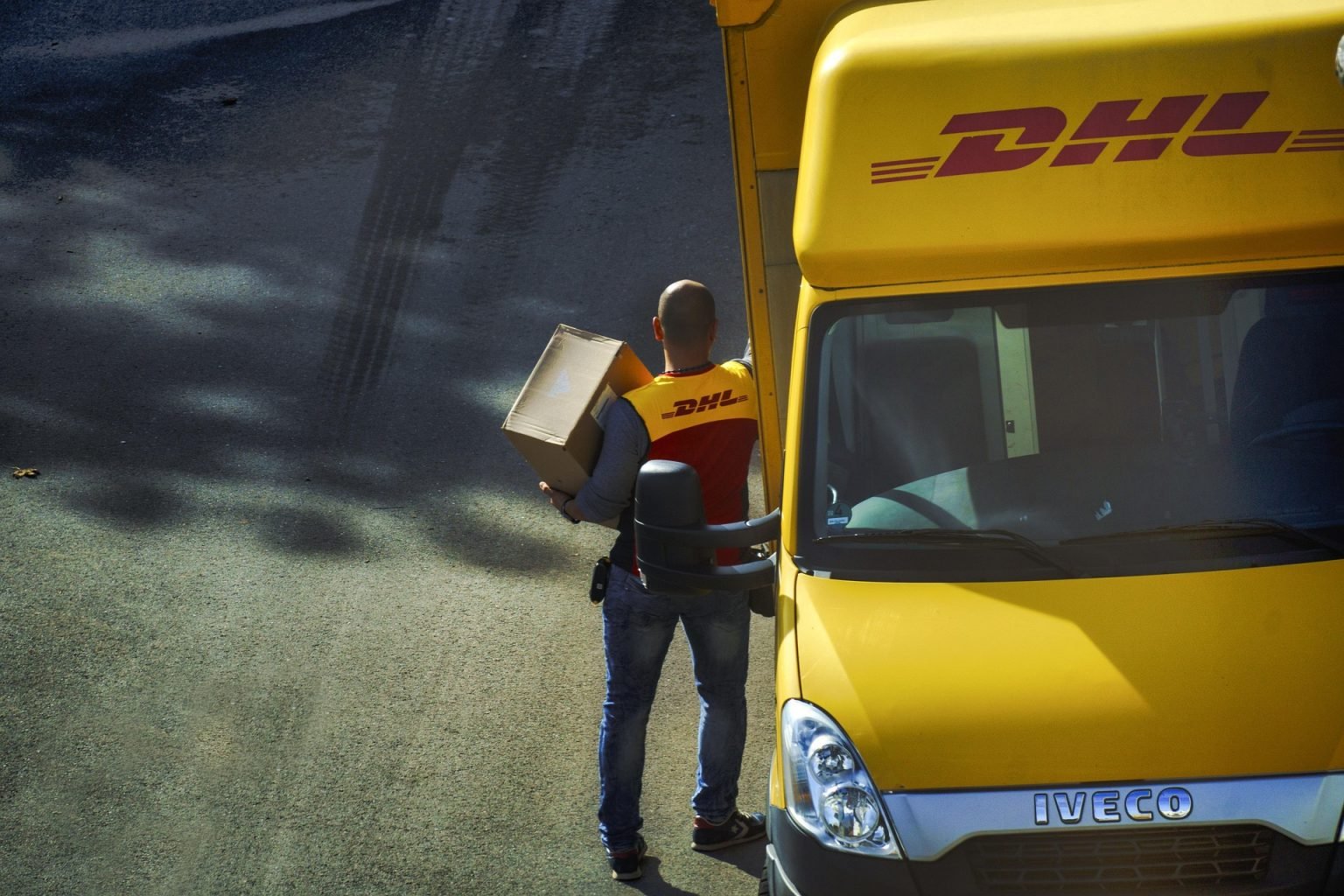

The vast majority of the criticism—89 percent—was directed at Deutsche Post/DHL.
If the current trend continues, the all-time annual record of 44,406 complaints set in 2024 is likely to be significantly surpassed.
Late, Lost, or Damaged Deliveries Dominate Complaints
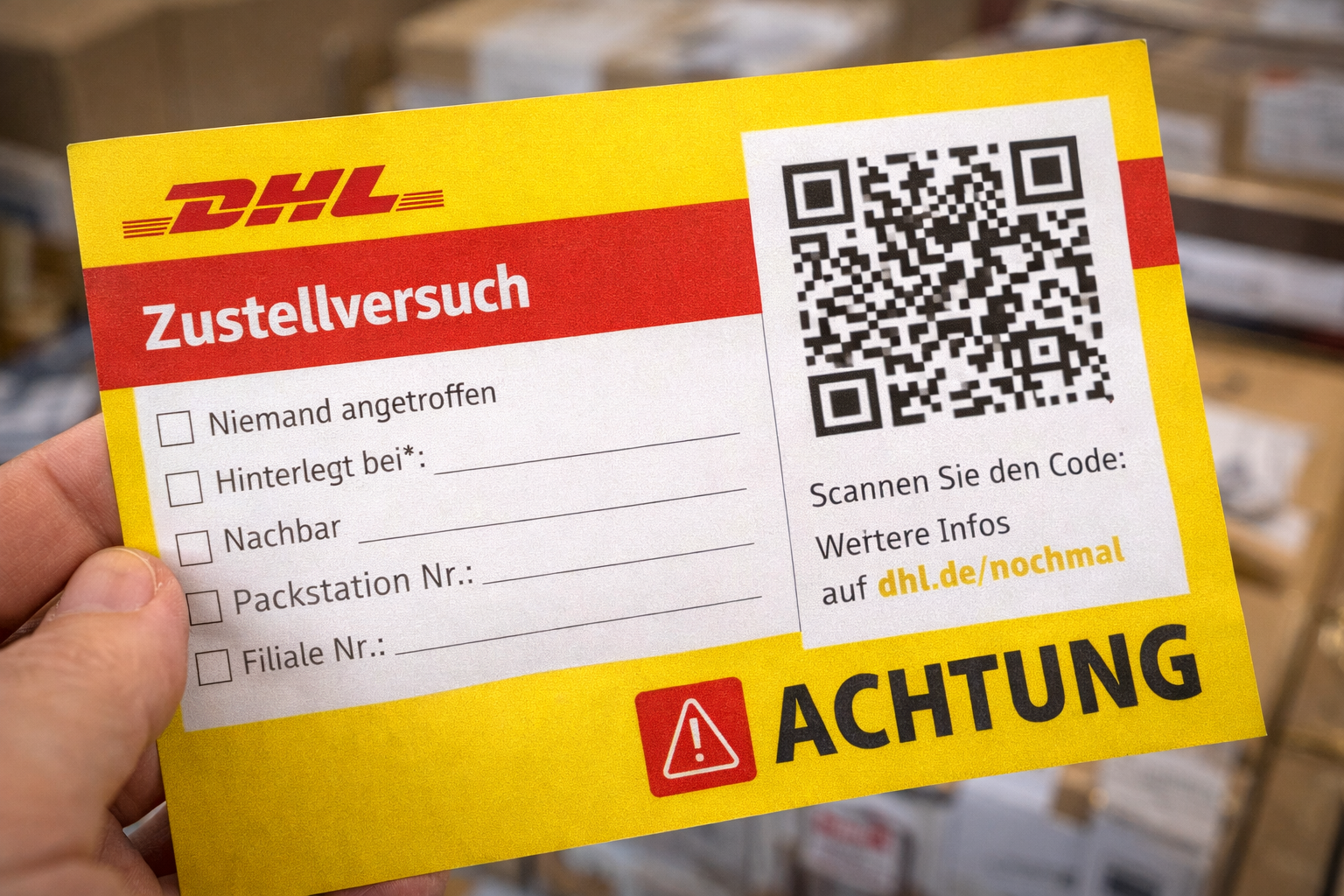
As in previous years, most complaints involved delayed, incorrectly delivered, or damaged mail and parcels. One particularly striking case involved an 82-year-old woman from Berlin who had her forgotten mobile phone sent by registered mail to her holiday apartment on a North Sea island. The phone was supposed to arrive the next business day but took six. Though tracking showed it had quickly reached the island, it remained undelivered for several days. According to the woman, the delivery person could not locate the address.
Post Defends Itself Citing Scale and Isolated Incidents
A spokesperson for Deutsche Post described such cases as regrettable but rare given the volume of mail handled. In 2024 alone, the company delivered 12.2 billion letters and 1.8 billion parcels within Germany. The spokesperson added that quality improvements are ongoing and that every single complaint is taken seriously.
New Law Grants More Time for Mail Delivery
Deutsche Post has also pointed to a legal change that took effect in January 2025. Under the new rules, letters must be delivered by the third business day after posting—compared to the previous target of one to two days. This regulatory shift gives the company more flexibility and reduces costs, but also results in slower delivery times.
The spokesperson explained that many customers are not aware of this change, which has led to misunderstandings and increased frustration.
New Delivery Strategy: Fewer Trips, Longer Waits
The law has also influenced Deutsche Post’s logistics. For example, if two letters for the same recipient arrive on consecutive days, the first may be deliberately held back so both can be delivered together. This saves resources but leads to longer waiting times for customers.
Additional Delays from Strikes and Heatwaves
In early 2025, warning strikes disrupted operations, and in June, extreme heat forced the company to reduce workloads on several days. According to Deutsche Post, these temporary disruptions contributed to regional backlogs and delays.
Political Scrutiny of Postal Service Performance
The developments have drawn attention in political circles. Sebastian Roloff, a Social Democratic member of the Bundestag and one of the co-negotiators of the postal reform law, said the new rules would take time to stabilize. He expressed confidence that the added flexibility would eventually lead to more reliable service, particularly in terms of workforce planning.
Balancing Cost-Cutting and Customer Expectations
While Deutsche Post defends its approach as an economic necessity, many customers feel increasingly neglected. The growing gap between legally permitted flexibility and public expectations has become a source of societal tension—fueling mounting frustration among consumers.