
The project, named Das Anders, is expected to accommodate around 1,000 people. On Wednesday, the city’s Committee for Urban Planning and Building Regulations is scheduled to vote on the preliminary approval resolution for the development.
Diverse New Neighborhood with Housing, Green Space and Social Infrastructure
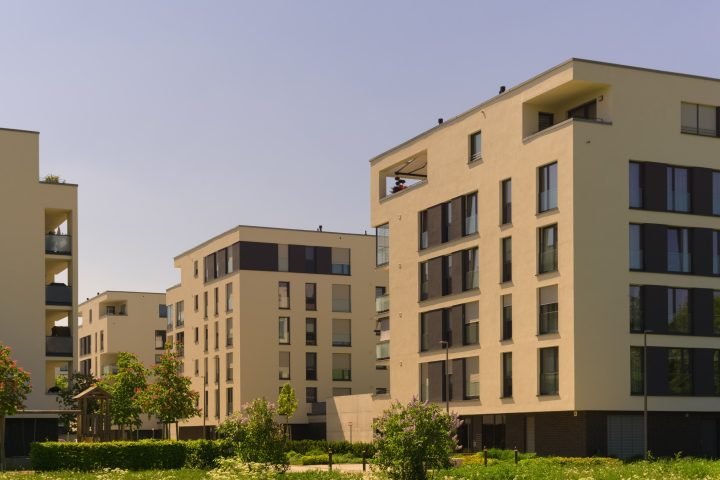
The proposal includes 620 residential units, along with space for offices, retail, daycare centers, a care facility with assisted living, and publicly accessible green areas. A central park and multiple rooftop gardens are also planned. The district will incorporate the historic, landmarked administrative building from Knorr-Bremse’s early years into its overall design.
Knorr-Bremse initiated the transition away from exclusive commercial use back in 2016, setting the groundwork for a mixed-use neighborhood. Urban design competitions followed in the years after, including one for a high-rise at the southwestern edge of the site. Originally planned to stand 100 meters tall, the tower’s height has been reduced to approximately 88 meters.
Living, Working and Social Support in One Integrated Quarter
The district will feature a central hub along Ilse-Esser-Straße that includes housing for apprentices and students, two kindergartens, and an assisted living facility. Around 40 percent of the apartments are planned to be either publicly subsidized or offered at reduced rents. The northern portion of the site will remain dedicated to commercial use, creating a balanced mix of living and working spaces—similar to established inner-city neighborhoods.
City Council member Paul Bickelbacher (Greens/Rosa Liste/Volt) expressed his support for the project: “A vibrant neighborhood is emerging on the former Knorr-Bremse site that offers short distances, urban flair and modern housing. This balanced combination of work, living, leisure and services is a model for future urban development.”
Council member Florian Schönemann (also Greens/Rosa Liste/Volt), who previously worked on the site, added: “The transformation of this former industrial area has been an emotional journey, but the resulting district respects the site’s history while taking a forward-looking approach.”
Sustainability and Design Shape the Vision of the New District
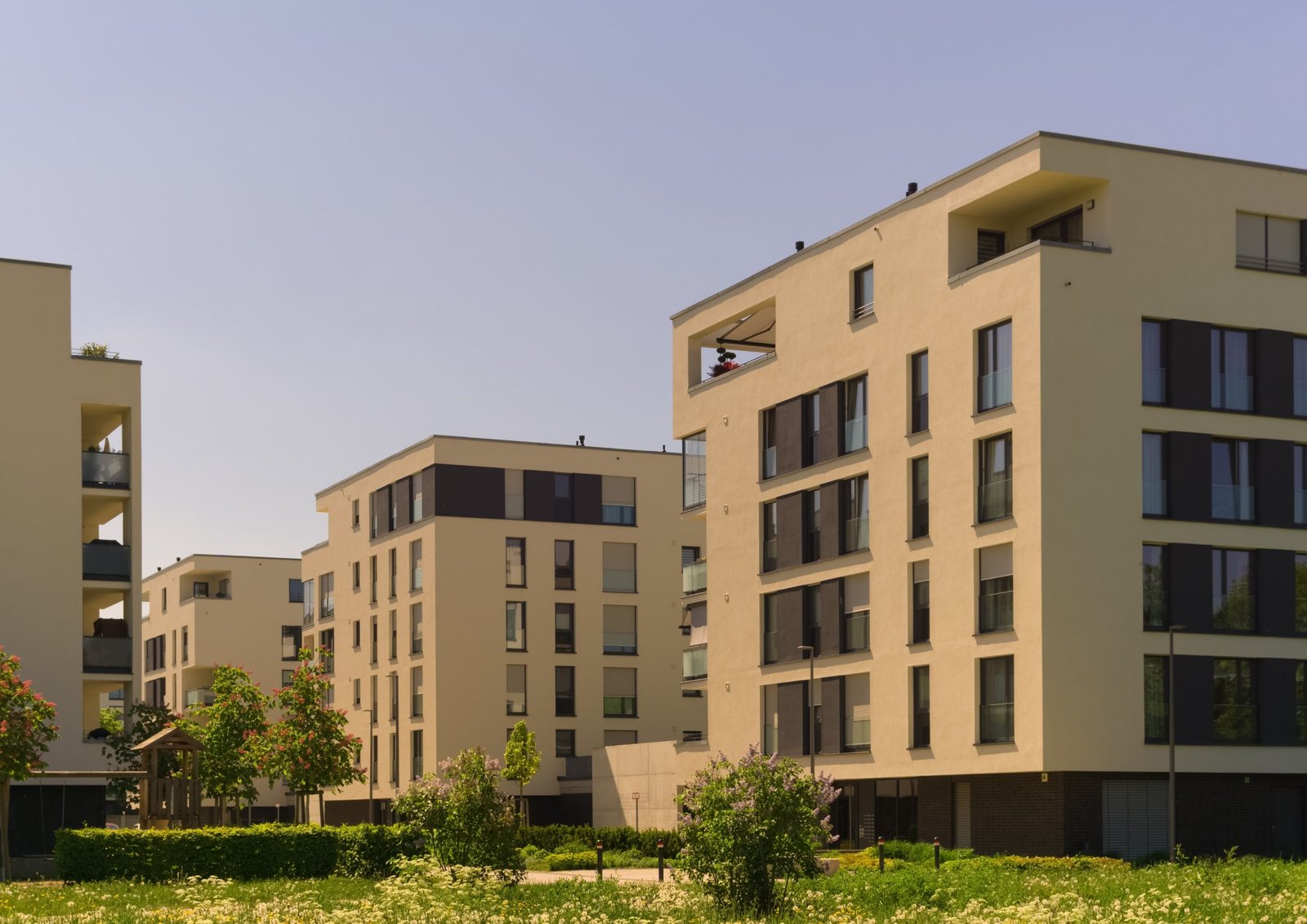
Architectural highlights include curved building facades, integrated solar panel systems, and a distinctive high-rise that will help define the neighborhood’s skyline. The district will be well connected to the S-Bahn and public transportation. Shared gardens and open community spaces aim to foster a strong neighborhood identity and sense of community.
The upcoming committee vote marks a major milestone for the project. If approved, the next steps include public display of the development plans and a subsequent statutory resolution, which will establish the legal basis for construction. The OPES Real Estate Group, which is overseeing the project, anticipates that building could begin as early as 2027, with full completion expected no sooner than 2031.