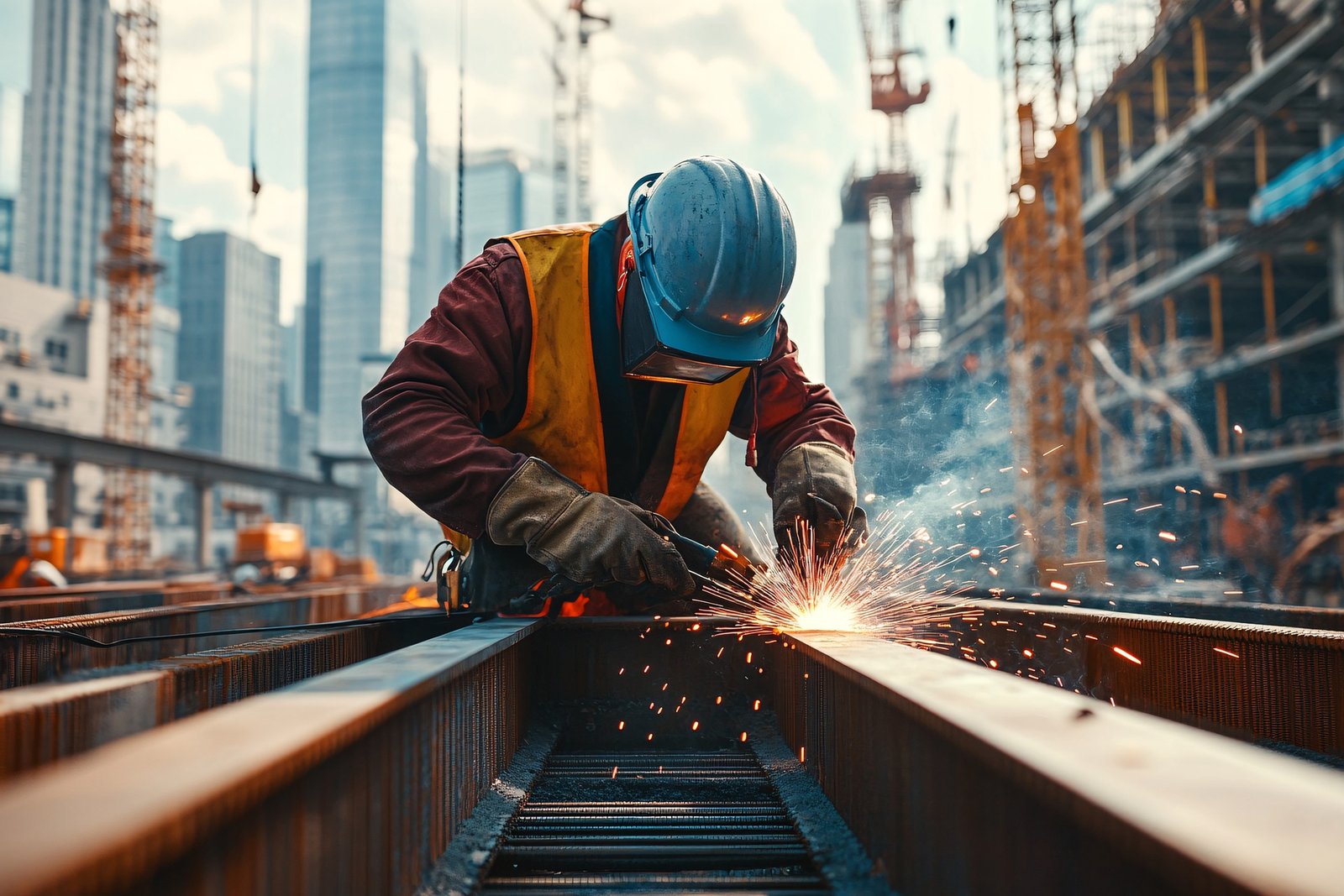

The demand for a €15 minimum wage featured prominently in the election campaigns of the Social Democratic Party (SPD) and the Greens. However, the Minimum Wage Commission has now agreed on a slower increase that falls short of those promises.
Minimum Wage to Rise in Two Phases
Under the current plan, the minimum wage will rise to €13.90 on January 1, 2026, and then to €14.60 on January 1, 2027. At present, the minimum hourly wage stands at €12.82.
Although the federal government does not have the authority to set the wage unilaterally, it can issue a legally binding decree based on a recommendation from the Minimum Wage Commission. This commission reviews wage developments every two years and proposes adjustments accordingly.
Criticism Over the Pace of the Increase
According to the Federal Statistical Office, approximately 15.5 percent of the German population—around 13.1 million people—were considered at risk of poverty in 2024. An increase in the minimum wage could offer significant relief to this demographic. Still, many view the current plan as insufficient.
The Federation of Wholesale, Foreign Trade and Services (BGA) called the decision “a very tough compromise.” The organization warned that the wage hike would place a heavy burden on small and medium-sized businesses in today’s challenging economic climate. Representatives from the logistics industry also raised concerns, citing the potential for “massive cost increases.”
Fifteen Euros Seen as a Missed Opportunity
Marcel Fratzscher, president of the German Institute for Economic Research (DIW), sharply criticized the rejection of the €15 target. He argued that such an increase would have benefited millions of workers and could have boosted productivity across the German economy.
In contrast, Clemens Fuest, president of the ifo Institute, cautioned against politically determined wage levels. He warned that the government should refrain from interfering with wage-setting mechanisms. While collectively bargained wages are expected to rise by 13 percent between 2023 and 2025/26, a jump to €15 would amount to a 25 percent increase—an imbalance Fuest viewed as problematic.
Who Stands to Benefit from the Wage Hike?
The proposed wage increase raises further questions: How will it affect workers in practical terms? Is the €15 target truly unrealistic, or is political reluctance to blame?
These issues were explored in a recent BR24 segment featuring economic insights from Enzo Weber and political analysis by BR’s Berlin correspondent Barbara Kostolnik. Franz Xaver Peteranderl, president of the Chamber of Crafts for Munich and Upper Bavaria, also weighed in from the perspective of the skilled trades sector.
With reporting by dpa and Reuters.