
Meanwhile, Green Party politician Andrea Schulte-Krauss intends to propose a district-wide mandatory chipping requirement, similar to the one already in place in the neighboring Weilheim-Schongau district.
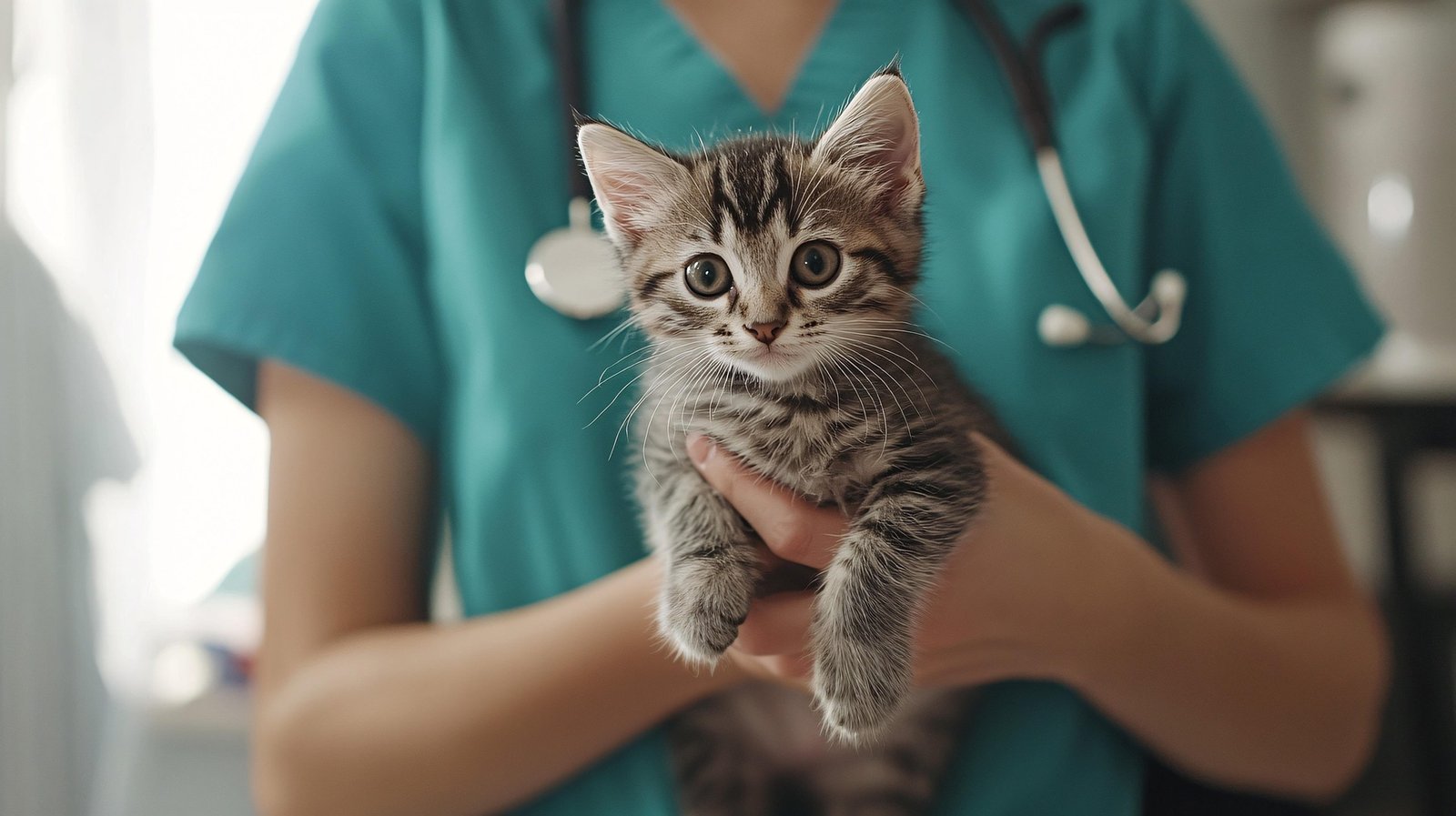
When a stray cat approaches someone or is found injured or dead after an accident, it is often difficult to identify the owner if the animal is not microchipped and registered. To address this, Tierhilfe Tutzing has organized a microchipping and registration event. It will take place on Saturday, September 27, from 2:00 PM to 4:00 PM at the veterinary practice of Dr. Kerstin Schwarzer (Hauptstraße 68, Tutzing). For an “action price” of 25 euros, owners can have a microchip with a unique identification number implanted in their cat and register it in a pet database. Ten euros of this fee will be donated to support the work of Tierhilfe Tutzing, which also operates a pet food bank.
Deputy Chairperson Anja Corbero emphasized: “Unfortunately, Tierhilfe Tutzing repeatedly encounters cases where cats are not microchipped, or although chipped, are not registered. Sometimes the contact details are outdated. This leads to great uncertainty and often to a long, agonizing wait—for both the animals and their owners.” During the event, the organization, together with Dr. Schwarzer, will also check whether the registration details for already chipped cats are up to date (cost: ten euros). No appointment is necessary. “Please bring your cat in a suitable carrier,” the announcement states.
Since May 1, the neighboring Weilheim-Schongau district has enforced a mandatory identification and registration requirement for free-roaming owned cats, with a grace period until November 1. After this date, only microchipped cats may be kept there, and they must be registered in a pet database like Tasso or Findefix. Both Tierhilfe Tutzing and Green Party district councilor Andrea Schulte-Krauss believe such a mandate would also be beneficial for the Starnberg district. The politician from Krailling has prepared a motion she plans to submit to the district council after the summer recess, she told the Starnberger Merkur newspaper.
In the Weilheim-Schongau district, where a new cat protection ordinance was adopted, the animal shelter hopes this will simplify the handling of stray animals. The registration requirement should allow for faster reunification with owners. The Starnberg animal shelter also frequently reports the labor-intensive work involved with animals that have been abandoned or have run away.
Schulte-Krauss, who owns four cats and two dogs herself, notes: “It’s a matter of a quarter of an hour if an animal is picked up somewhere.” The police, veterinary practices, clinics, or the animal shelter can read the chips with a scanner. However, she wants to argue not just as an animal lover but also as a politician. She references the recent controversy in the district over increasing the standard stray animal allowance (Fundtierpauschale), which municipalities pay to the Starnberg animal welfare association. She suggested that if widespread registration eventually makes the shelter’s work easier, this allowance could potentially be reduced in a few years. Furthermore, municipalities might be able to recoup costs in certain cases: according to Schulte-Krauss, microchipped and registered cats brought to the shelter are not officially considered stray animals. The owner would then be liable for the costs incurred by the shelter for the animal’s temporary care.