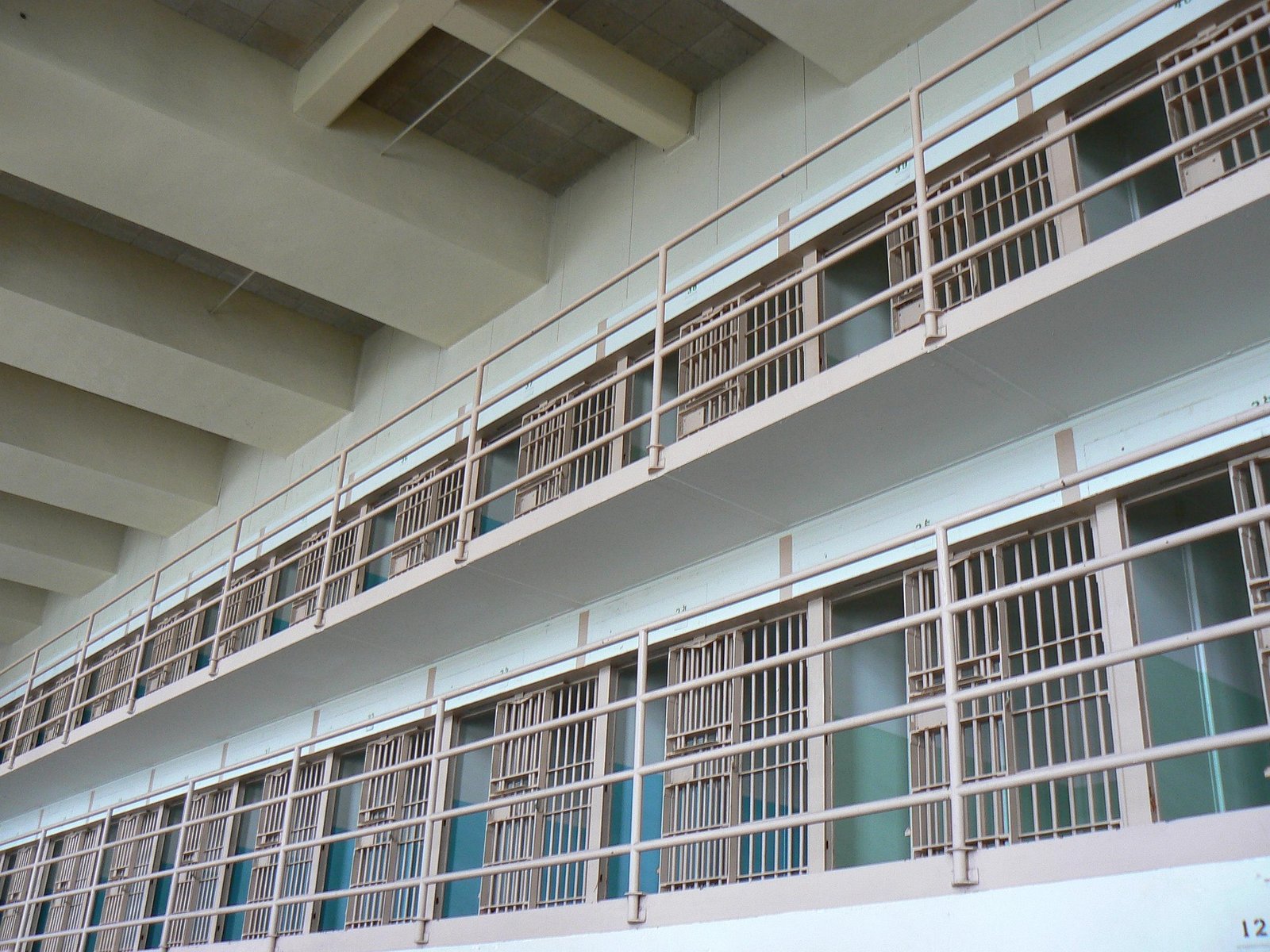

Tens of thousands of people serve such sentences in German prisons. Despite repeated criticism, the federal states are sticking with this practice.
Substitute Imprisonment in Numbers
Currently, over 500 people in Bavarian prisons are incarcerated not for committing serious crimes, but because they cannot or will not pay a fine. A recent survey by the Redaktionsnetzwerk Deutschland (RND) highlights that all 16 federal states continue to rely on substitute imprisonment, despite concerns that it disproportionately affects people with limited financial means.
Prisons are approaching capacity. According to data from 14 states (Berlin and Hesse did not provide figures), between four and eleven percent of inmates were serving substitute imprisonment as of March 31, 2025. In Bavaria, the share was 5.1 percent. Nationwide, roughly 50,000 people are affected.
Costs to the State
Substitute imprisonment is expensive. On average, one inmate costs about €200 per day. Critics argue that these funds could be better spent on rehabilitating people serving sentences for more serious offenses.
Poverty Criminalized?
The main criticism is that substitute imprisonment punishes poverty. People who cannot pay fines—often because they are poor—are imprisoned, while those who could pay but refuse may face the same consequence. Criminologist Nicole Bögelein states: “In its current form, substitute imprisonment punishes people for not having money. Poverty is criminalized.” Sweden is cited as a model, where only those who deliberately refuse to pay despite having the means go to jail.
Federal States Hold Firm
Despite criticism, states such as Bavaria and Rhineland-Palatinate continue to enforce substitute imprisonment. Rhineland-Palatinate recently introduced a rule that allows people who cannot pay fines to serve sentences in open prisons, but full abolition is rejected. Justice Minister Philipp Fernis (FDP) argued that removing substitute imprisonment entirely would reduce incentives to pay fines or perform community service.
Bavaria’s Justice Minister Georg Eisenreich (CSU) emphasized that the state has a duty to enforce judgments and protect legal interests: “Bavaria stands for a strong rule of law.” The federal Ministry of Justice confirmed no new reforms are currently planned.
Reform Pressure on Minor Offenses
Some states are pushing for reforms, particularly for minor offenses. North Rhine-Westphalia, for example, wants to remove fare evasion from criminal law, which would eliminate substitute imprisonment for this offense. Justice Minister Benjamin Limbach (Greens) argued: “A federal bill is overdue. Every day avoided in substitute imprisonment is a gain for the state, the people affected, and taxpayers.”
Currently, between 8,000 and 9,000 fare evaders are jailed annually in Germany, costing taxpayers over €125 million per year—just for this relatively minor offense.