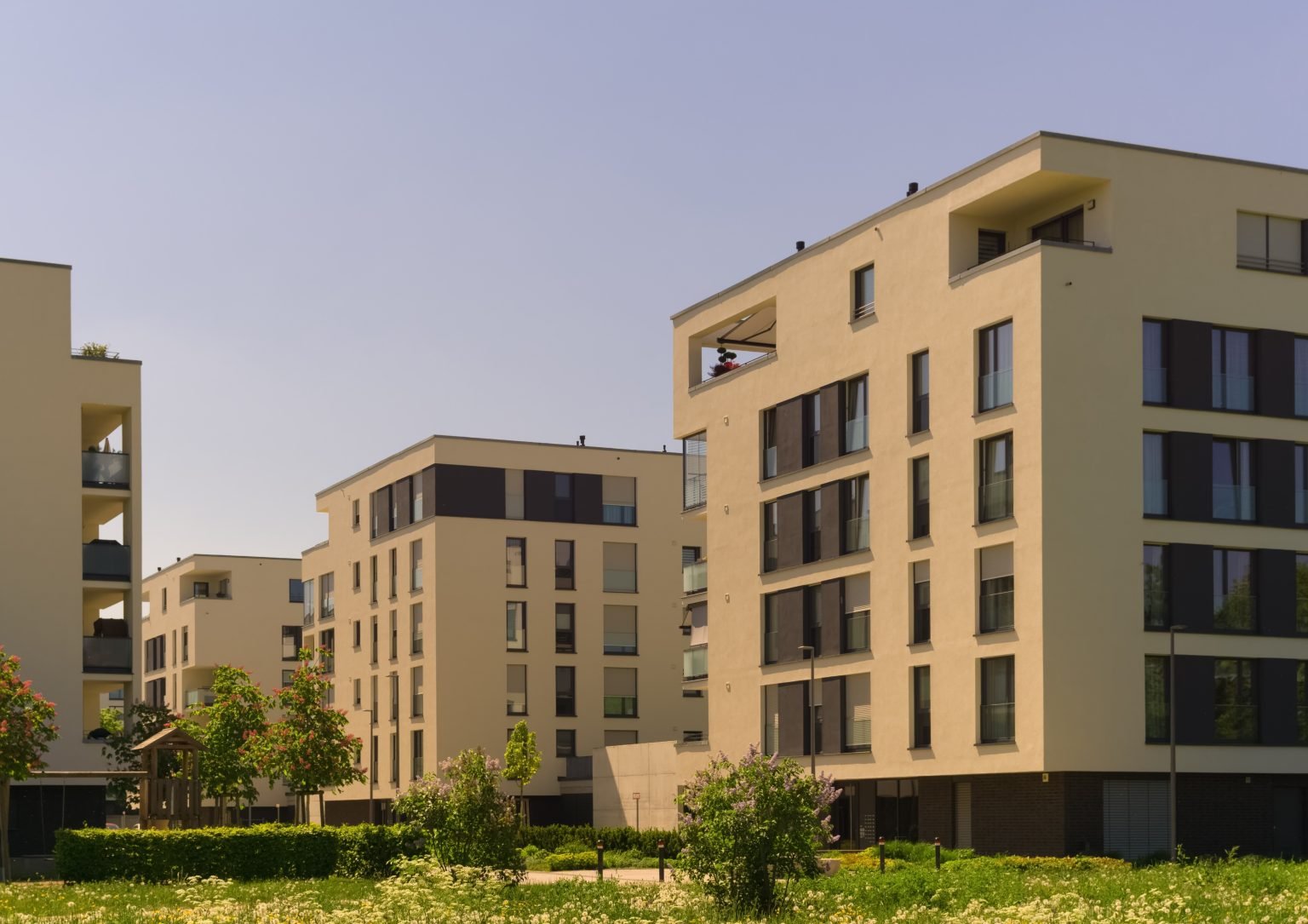

That is enough to cover in full the rent of a typical student flat in just one of Germany’s 38 university cities: Chemnitz.
These figures come from the “Student Housing Report 2026”, prepared for the eighth time by the financial services company MLP and the German Economic Institute (IW).
The analysts compare cities using two typical options:
- a flat of 30 square metres;
- a room of 20 square metres in a WG, that is, a shared flat with several tenants.
Munich tops the list on both measures. A room in a WG costs €850 here, only €30 less than a self-contained flat.
Prices are rising everywhere, but small flats are rising fastest
Student housing is becoming more expensive across the country, chiefly because supply cannot keep pace with demand, though this applies to self-contained flats. High prices for rooms in shared accommodation are due solely to the human factor: those who move in first usually charge new flatmates more than they pay themselves, thereby saving on their own rent.
In the first half of 2026, rents in the student segment of the property market rose by an average of 2.6 per cent compared with the same period last year, and over the past three years they have risen by an average of 4.0 per cent annually. Flats of up to 40 square metres rose more noticeably than the rest, by 3.5 per cent.
In this category Munich is far ahead of the other cities. It is followed by Berlin, Frankfurt, Cologne, Hamburg and Heidelberg, where the smallest flat costs roughly €700-720. Housing is cheapest in Chemnitz: about €280 for a flat and about €220 for a room in a WG, which is more than three times cheaper than in Munich.
The authors of the report do not regard the slowdown in price growth as a reversal of the upward trend towards falling prices. Fewer and fewer new homes are being built in Germany, and where they are built, buildings are for some reason that nobody understands designed with no more than two or three storeys.
The housing allowance is not keeping up with rents
The BAföG programme supports students and pupils as a low-income group of society, and a student receives €380 a month for housing. In Chemnitz this sum not only covers the rent but leaves a margin of about €100, while in Munich it falls roughly €500 short of the cost of a flat.
In other Bavarian university cities the gap is also considerable:
- Würzburg: €620 for a typical flat, €548 for a room in a WG;
- Regensburg: €584 and €512 respectively;
- Nuremberg: €556 and €509 respectively, that is, slightly less.
Price growth in Bavaria differs from the level of prices. Munich showed the smallest increase among the region’s university cities, 1.8 per cent, but remains the most expensive city in Germany. In Würzburg rents rose by 3.2 per cent, in Regensburg by 3.0, in Nuremberg by 2.8.
Students are, of course, waiting for the government’s decision to raise the housing allowance from €380 to €440. The increase was initially planned for the 2026/27 winter semester and is now expected by the 2027 summer semester. In Munich this money will not be enough even for the rent of a room, and the shortfall against the cost of a flat will still be about €440.
Two thirds of students spend an excessive share of their budget on housing
How unaffordable these prices are for students is shown by statistics from the Federal Statistical Office (Destatis). Students who live in their own household spent on average about 54 per cent of their disposable budget on housing last year, more than twice as much as the population as a whole. For 65 per cent of them, these costs are excessive.
Why this matters
When rent consumes more than half of income, leaving less than half of the budget for food, studies and everything else, and the BAföG payment is almost everywhere below actual rents, students have to cover the difference with help from their families or their own additional earnings.
The authors of the study acknowledge that demographic factors, such as the return to nine-year study at gymnasiums, could temporarily reduce demand for housing in some regions, but this does not eliminate the overall shortage of student housing. Meanwhile, the Bavarian government, against the backdrop of these developments, pretends not to notice anything and merely turns up the volume of slogans delivered in the next interview or statement.
Source: dpa