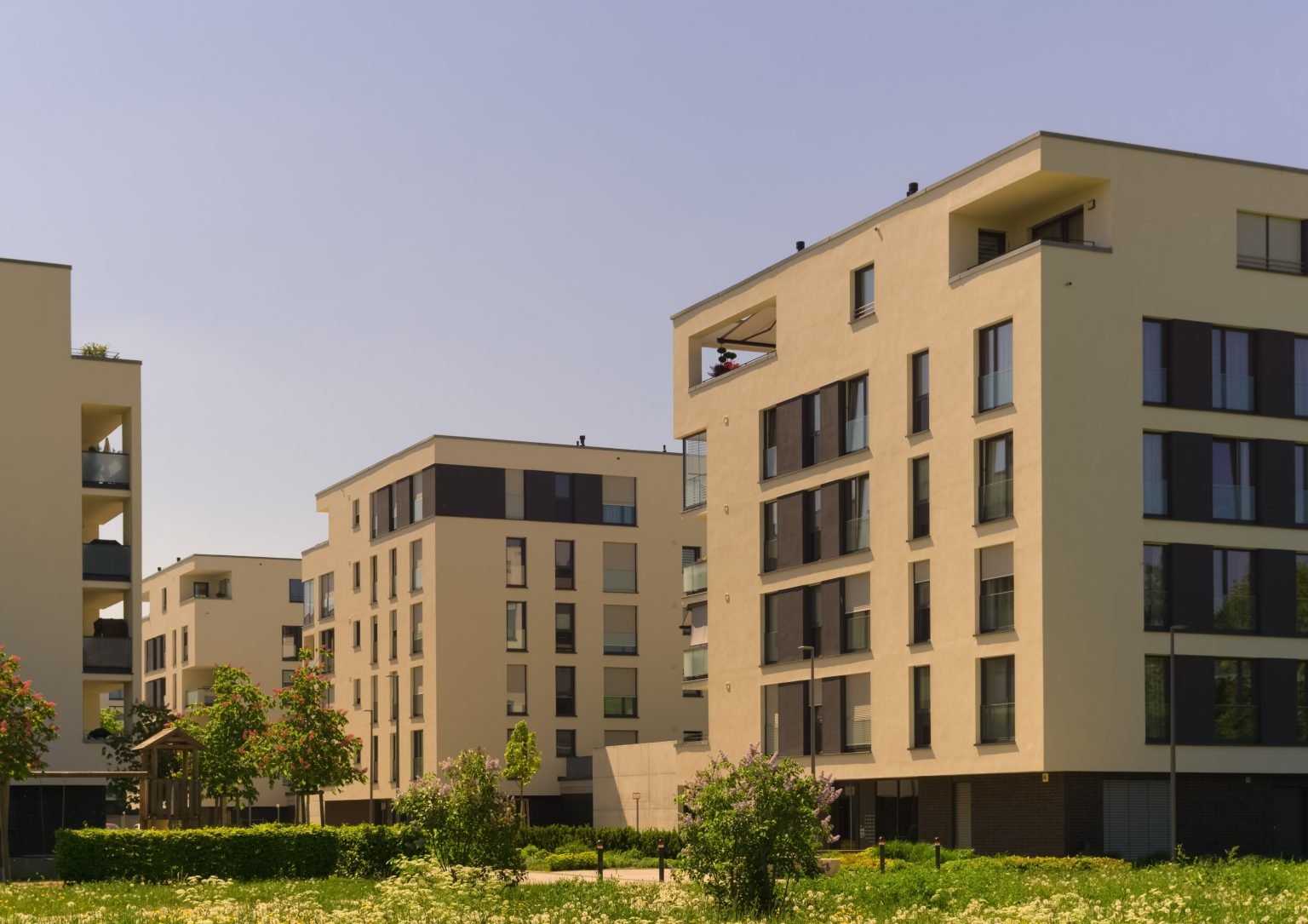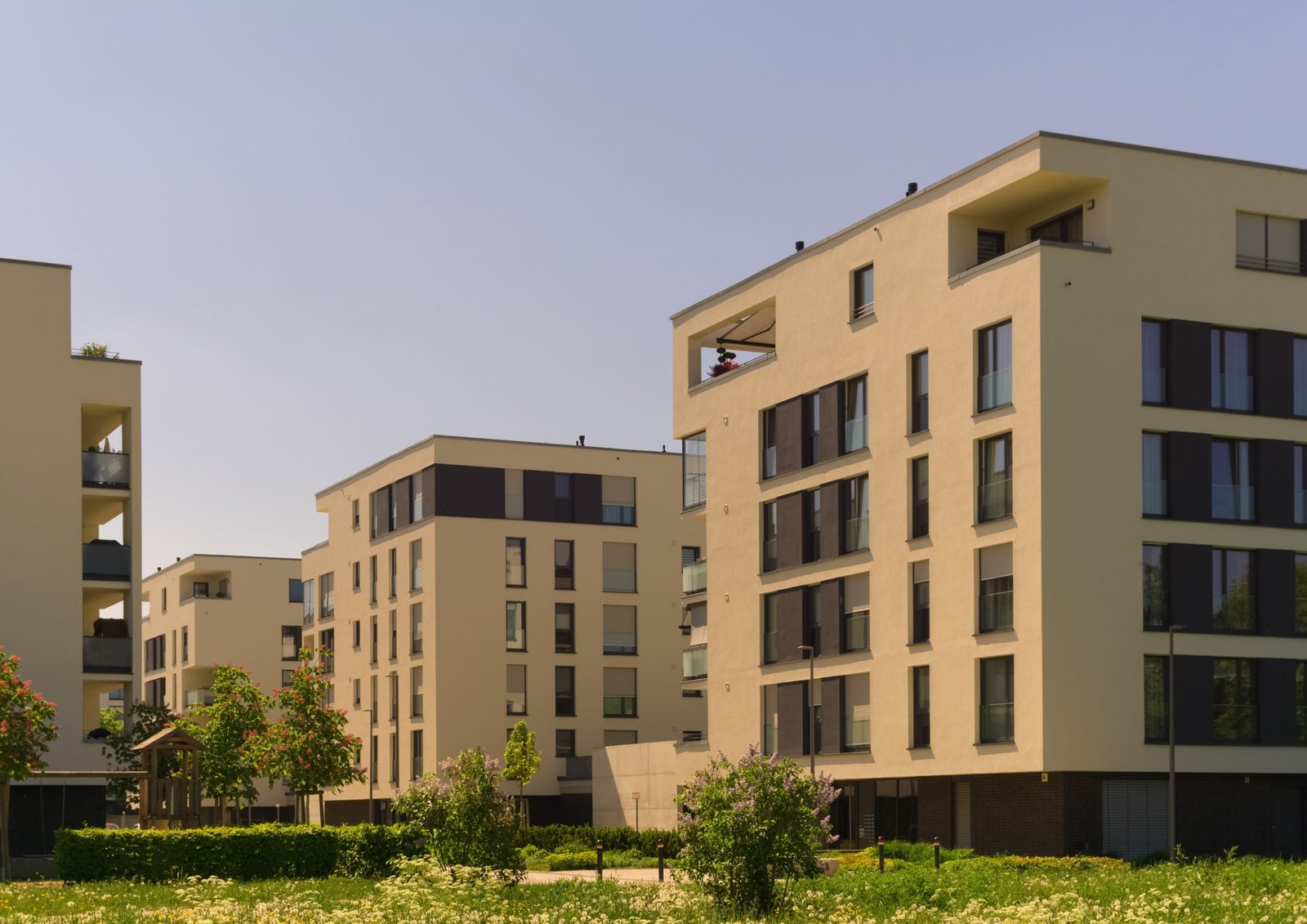

The city’s social services department has threatened them with a coercive payment of €125,000 for violating municipal and federal regulations. It is one of the cases the Munich city hall has been dealing with recently, in a city where housing is scarce and part of it stands empty for no reason.
Since the beginning of the year, the city has returned 380 unlawfully and needlessly vacant apartments to the market. The authorities have already imposed fines and coercive payments totalling more than €300,000.
The result has grown by more than half
According to a statement from the city authorities on Friday, 6 November, 380 apartments returned to the market this year. Last year’s result was noticeably more modest: just under 230 apartments were let or sold again. The total of coercive payments and fines exceeded €300,000.
A bet on prices
Behind empty windows there is most often a foolish calculation. The owner buys a property and leaves it without tenants in the hope that prices will rise, usually having listened to bloggers or online advisers, without bothering to check how the market has developed over the past few years. This view rests on the slogan that in a few years the property can be sold for considerably more, without spending a single euro on upkeep and repairs. But this is just as utopian as the fairy tale of so-called “rental investment”. The basic principles of financial literacy immediately dispel faith in such a scheme of earning money. On the other hand, people who look for profitable markets in a given year do indeed increase their capital, but this requires constantly monitoring markets around the world and watching in which countries property prices begin to rise substantially. Munich’s municipal rules, however, prohibit the non-designated use of housing.
There is a shortage of apartments in the Bavarian capital; former and current politicians have brought the city almost to bankruptcy, and throughout these years the construction of new housing has been held back, while what was built looked more like boutique apartments for the chosen few. Now the city hall is threatening owners of unused housing with coercive payments. Anyone who ends the vacancy within the period set out in the warning will not have to pay. If the apartment remains empty, the amount of the payment will begin to rise. The aim of the authorities is for owners of unused property to put their housing back on the market. On the other hand, there is no sign that the Munich authorities send such warnings to the powerful of this world, who most often buy up property in whole portfolios.
Let us send letters to the residents of, say, Grünwald, or to the friends of Söder, whose interests he constantly lobbies for. Or to the Emirati sheikhs who own a considerable share of the city’s property.
Another problem is that proving a property is vacant is not easy. City administration staff have to gather a great deal of evidence, and in not all cases can it be put together with sufficient legal reliability. Nevertheless, the city regards this approach as successful: often a notice of unlawful vacancy and an impending payment is enough for the apartment to be offered on the property market again.
When the penalty works
Not all owners cooperate with the city hall, but coercive payments and fines have produced results before. In the Neuhausen district, an investor kept apartments empty for years in a building on Landshuter Allee. The coercive payments exceeded €60,000, and at the end of 2025 renovation of the building began.
In Ramersdorf-Perlach, the story is not yet over. Proceedings have been initiated against another building over unjustified vacancy of housing.
Why it matters
Every apartment that returns to the market increases supply in one of the most expensive cities in Germany. The rise from just under 230 to 380 apartments in a year shows that pressure on property owners bears fruit, and that a warning letter is often enough. But the city hall does not deal with all owners; for some reason, the powerful of this world are left untouched. They could free up thousands of residential units rather than hundreds. And here, once again, the city hall faces more questions than there are answers.
But the case in Ramersdorf-Perlach also shows the limits of this approach. Six apartments have stood empty for four years, and there are no reports that the owners have returned the building to the market. To bring a dispute to a conclusion, the city needs time and carefully gathered evidence. The increase in the payment while the vacancy continues gives it the means to intensify pressure until the apartments return to performing their proper purpose, which is not the multiplication of the capital of people who are already wealthy.