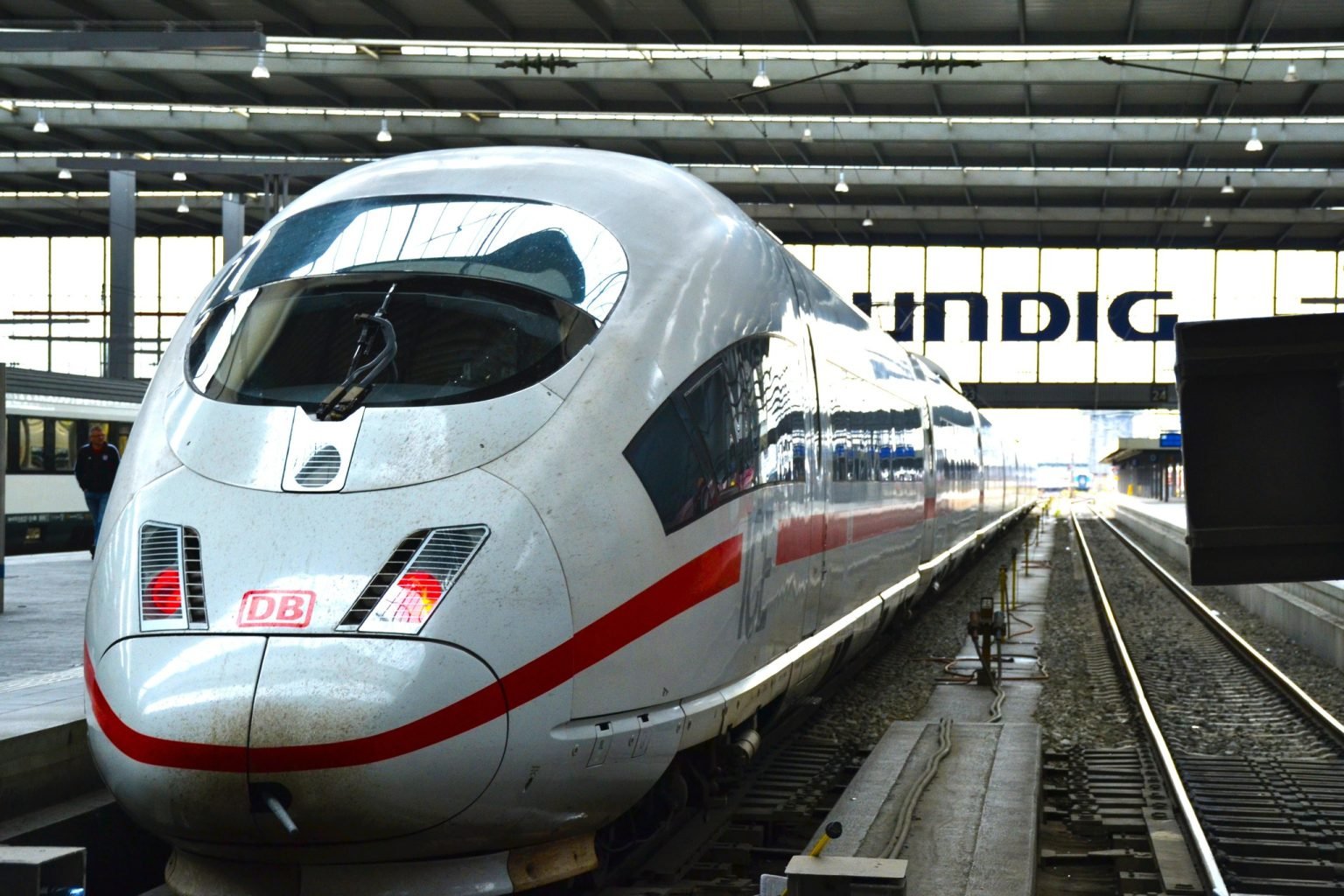

Switzerland, France and Poland have stations where trains arrive an average of only one minute late. Germany has none: the top ten of the ranking are dominated by France, Switzerland and Poland, while German stations remain at the bottom of the list.
How the index was compiled
The ranking is called the European Railway Station Index. It was compiled by the American think tank Consumer Choice Center (CCC), not by European Union institutions. The 60 busiest stations were compared on reliability, facilities and transport connectivity, as well as on service and accessibility for passengers with reduced mobility. The maximum was 118 points.
The index’s authors themselves caution that the data were collected from various sources, may be incomplete and contradictory, so the results should be read with caution. Moreover, the concept of punctuality is interpreted differently from country to country.
Bremen in last place
Bremen’s main station scored 47 points and took 60th place. According to the index data for August 2026, 63% of trains arrive late, and the average wait time is 21 minutes. The station also loses out to the others because of its modest selection of shops and unfavorable transport connections.
A year earlier, Bremen ranked 46th out of 50. Last place at that time went to Berlin‘s Gesundbrunnen station, which rose slightly this year and shares 54th place with Essen.
German stations at the bottom of the list
Six of the ten worst stations are in Germany. Not a single German station made the top ten, and 15 landed among the last 30 places. According to the study, Berlin Hauptbahnhof’s average wait time reached 20 minutes. In Hamburg it is 24.8 minutes, the longest figure in the index. Dortmund recorded the highest share of delays, 73.8%.
Munich‘s stations ended up in the lower half of the list. The main station took 50th place with 61 points. Ostbahnhof fared worse, landing in 57th place with 52.5 points. Stuttgart took 56th place.
The German average wait time is 17.74 minutes, versus 8.06 minutes for Europe. Some 49.4% of trains are late, compared with 29% on the continent. In Germany, a train is considered on time if the delay does not exceed six minutes. By this criterion, in the first half of 2026 Deutsche Bahn reported 87.5% in regional and 58.7% in long-distance service.
Who leads
First place went to Zurich with 101 points. The station handles more than 100 million passengers a year, and only 4% of trains are late. It is followed by Paris Gare du Nord (100.5 points), Amsterdam Centraal, Poland’s Wrocław and Bern.