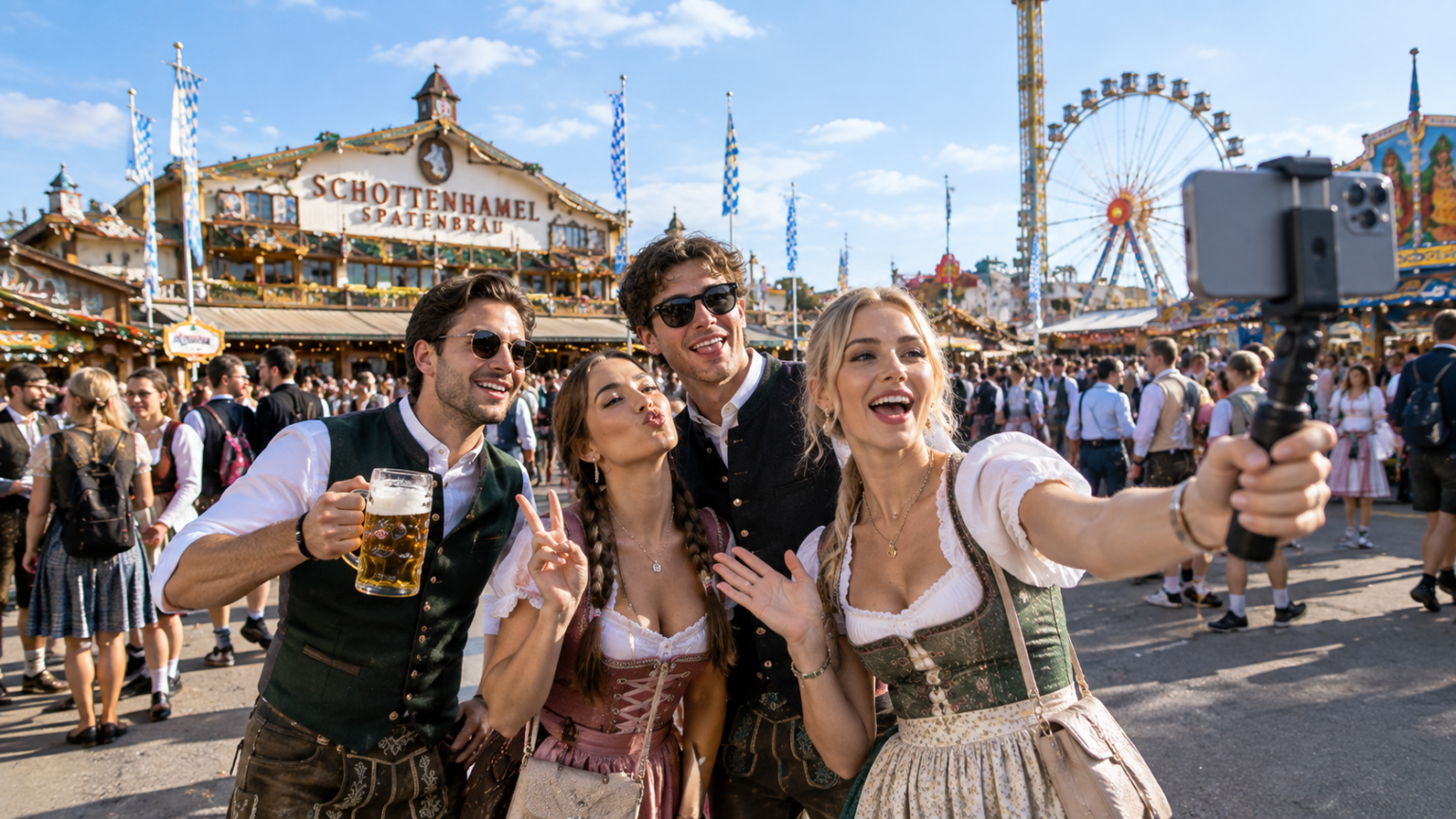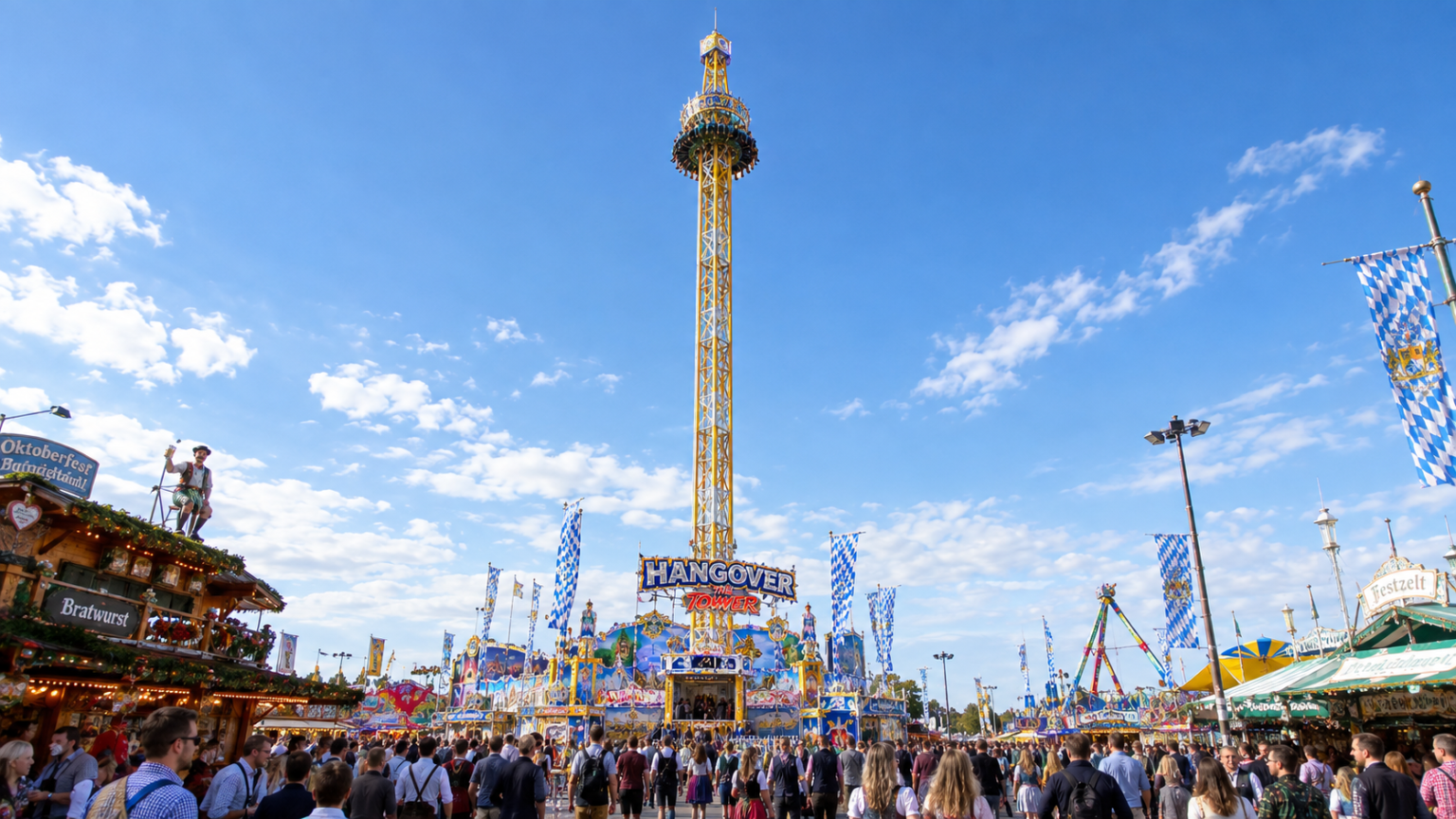

By the first day after the festival ended, about 450 permits had been issued to bloggers, advertisers and companies, and the final number, according to the city, may still rise as checks are completed.
Without a licence, you will pay more
The city plans to direct the money towards protecting the “Oktoberfest” brand, a spokeswoman for Munich’s economic affairs department said. According to her, the final evaluation of the whole project has not yet been completed: “For example, the review of publications is still continuing,” she told the dpa news agency.
Asked, “Has the well-known food blogger and, concurrently, Minister-President of Bavaria, Markus Söder, paid his share of the fee, as have his ministers and entourage, who adore promoting themselves on any public topic?”, the journalists, unfortunately, received no answer. There was only a concealed smirk.
Those who posted commercial content or earned income from content from the festival without prior permission will have to pay more. The economic affairs department stated that content not licensed in advance must be licensed retroactively, and because of the increased workload this costs more. A detailed report on the funds received is, regrettably, classified. At the same time, for publications that bring in almost no income, there is a lower threshold below which no licence is required at all.
The new rule has caused discontent among bloggers
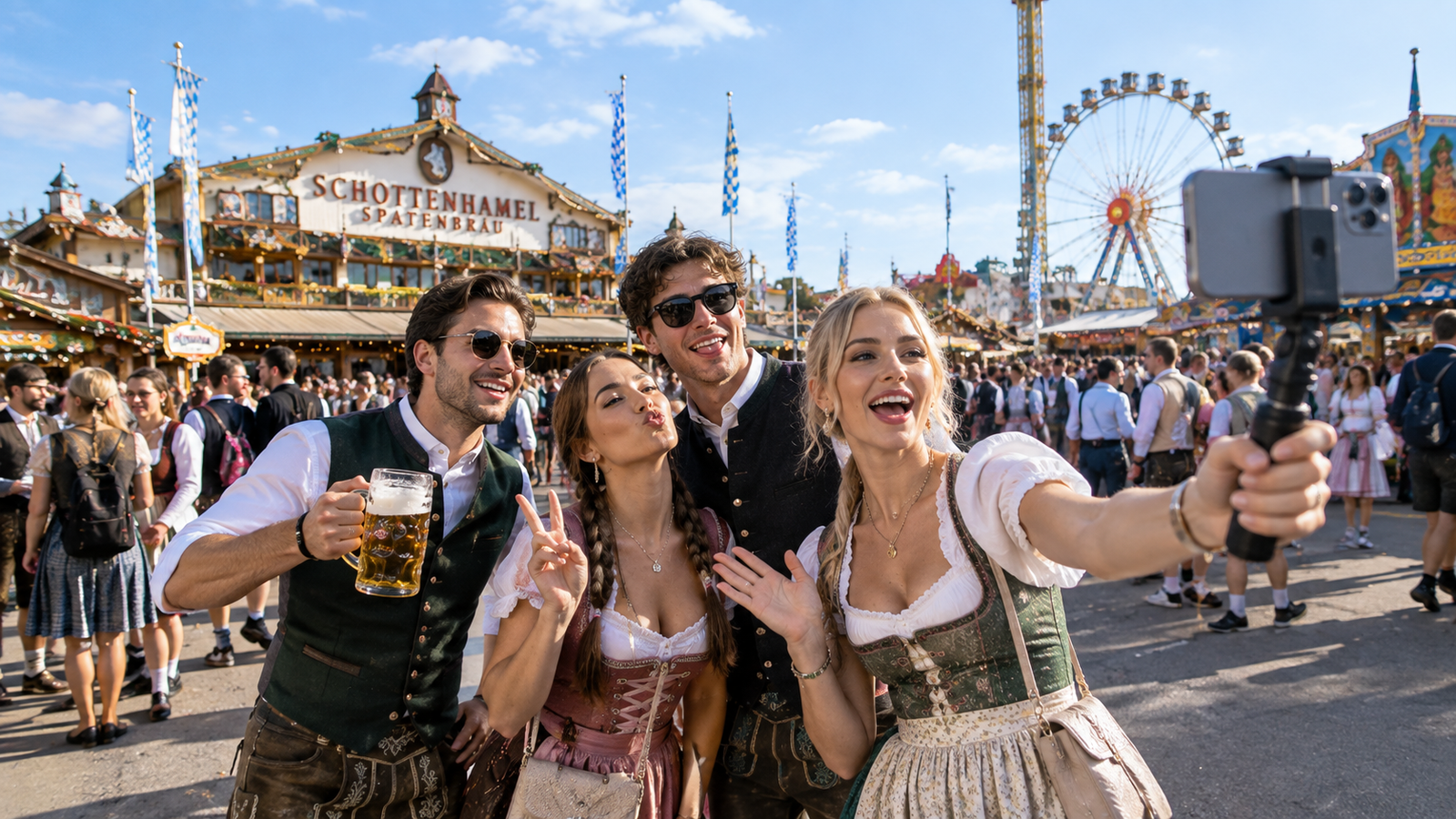
The new requirements have noticeably stirred up content creators. Nor is this surprising. This stratum of entrepreneurs has never liked paying for anything, taxes especially. They are accustomed to receiving clean, unregistered income. But from this year, every blogger who wishes to use the “Oktoberfest” brand for commercial gain needs a permit and accreditation, even Markus Söder. This means pursuing commercial aims directly or indirectly: through sponsorship, collaboration or product placement; personal reputational benefit is also taken into account. Publishing on YouTube and TikTok has long since become an economic sector in its own right, and the city has decided that this sector should pay just as the other participants in the festival do.
An uncomfortable question addressed to the authorities themselves also arose in the public discussion: “Does the new rule apply to politicians, who likewise actively promote themselves on social media at major city events such as Oktoberfest, including the Minister-President of Bavaria, Markus Söder, and members of his cabinet?” The city has not yet given an official answer to this question, and there is no confirmed information in open sources as to whether any Bavarian politician paid for their own posts from the festival.
Where personal posts end and commerce begins
The uncertainty among bloggers is also shown by the fact that some, in their videos, called the festival “Septemberfest” rather than Oktoberfest, just in case. Some wanted to avoid possible legal consequences; others were simply mocking the new rule. But bloggers would do well to raise their level of education, so as to understand that such primary-school tricks will not remedy the situation.
At the same time, the city itself has defined the exceptions to the accreditation requirements quite clearly:
- posts made for personal purposes and any private content do not require a licence;
- the words “Wiesn” and “Oktoberfest” may be used freely if this relates to the event itself and is not used as a designation of the brand;
- posts about corporate parties and invitations to a tent likewise require no permit;
- live broadcasts and prize draws on the festival grounds are prohibited outright, regardless of whether a licence is held.
Among those accredited was Cathy Hummels
This year, among others, the blogger and former wife of the footballer, Cathy Hummels, obtained a licence. She paid for her traditional so-called “Oktoberfest walk” and at the same time received a so-called “free pass” for the guests accompanying her.
Why it matters
The result of the first season under the new rules has shown that Munich’s city hall approached the monetisation of Oktoberfest on social media systematically rather than symbolically. A six-figure sum received from the new fee in just a few weeks indicates that commercial content published using the festival’s brand does indeed bring in revenue for the city that previously passed entirely by the municipal budget and settled in the pockets of bloggers evading taxation. At the same time, the exceptions added to the rules, such as the lower threshold for posts of small reach, the ban on live broadcasts and the permission to use the festival for personal purposes without accreditation, show the city authorities’ open position and their desire not to let the new fee destroy organic interest in Oktoberfest, but to separate personal impressions from direct commerce.
The question of whether these same rules apply to public politicians, who gain from their presence at Oktoberfest not direct income but political capital, which subsequently brings direct income, remains unanswered for now. And it is this uncertainty, by all appearances, that will become one of the next topics which the city authorities will have to clarify, to bloggers and residents of Munich alike, if the new accreditation system takes hold in future years.