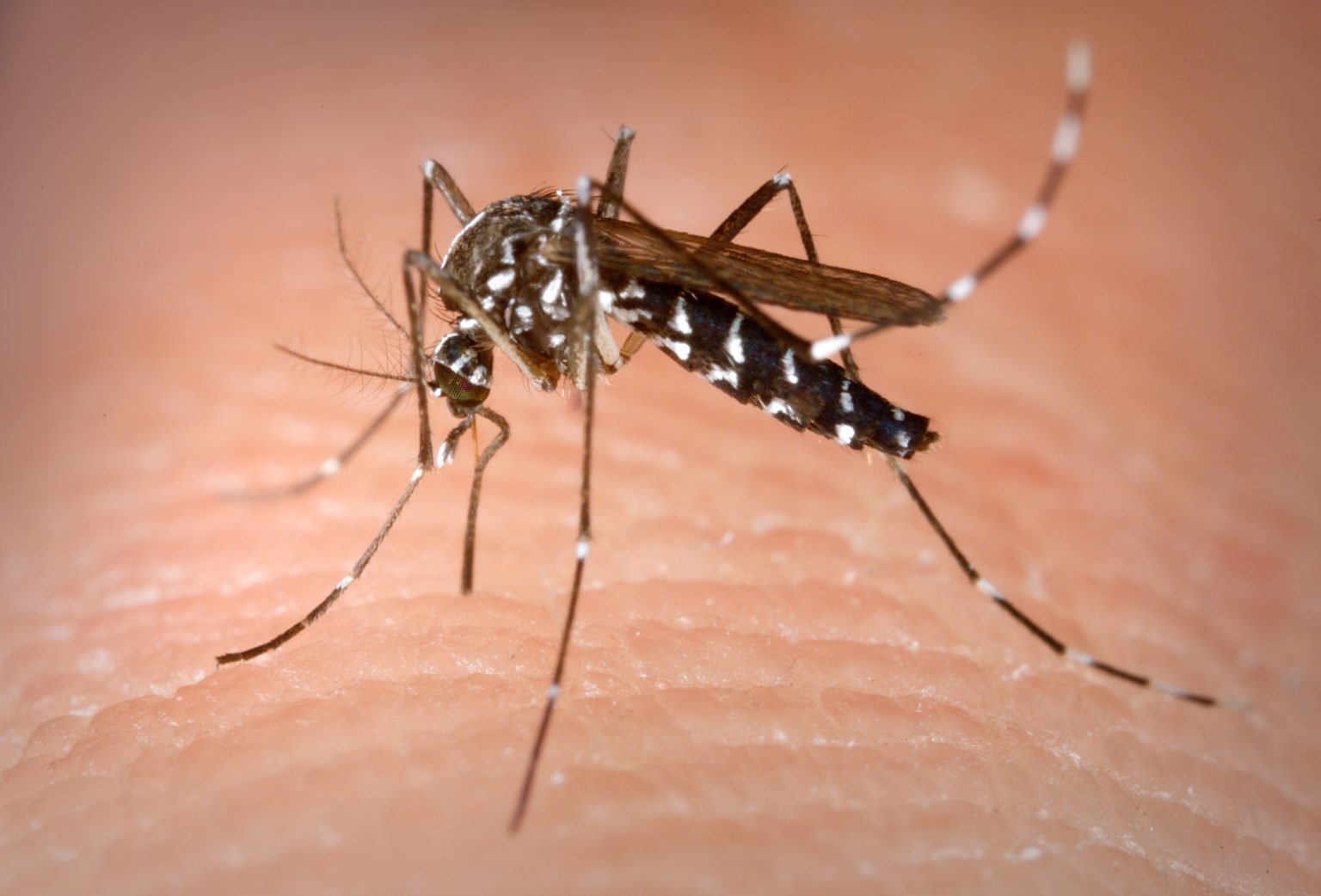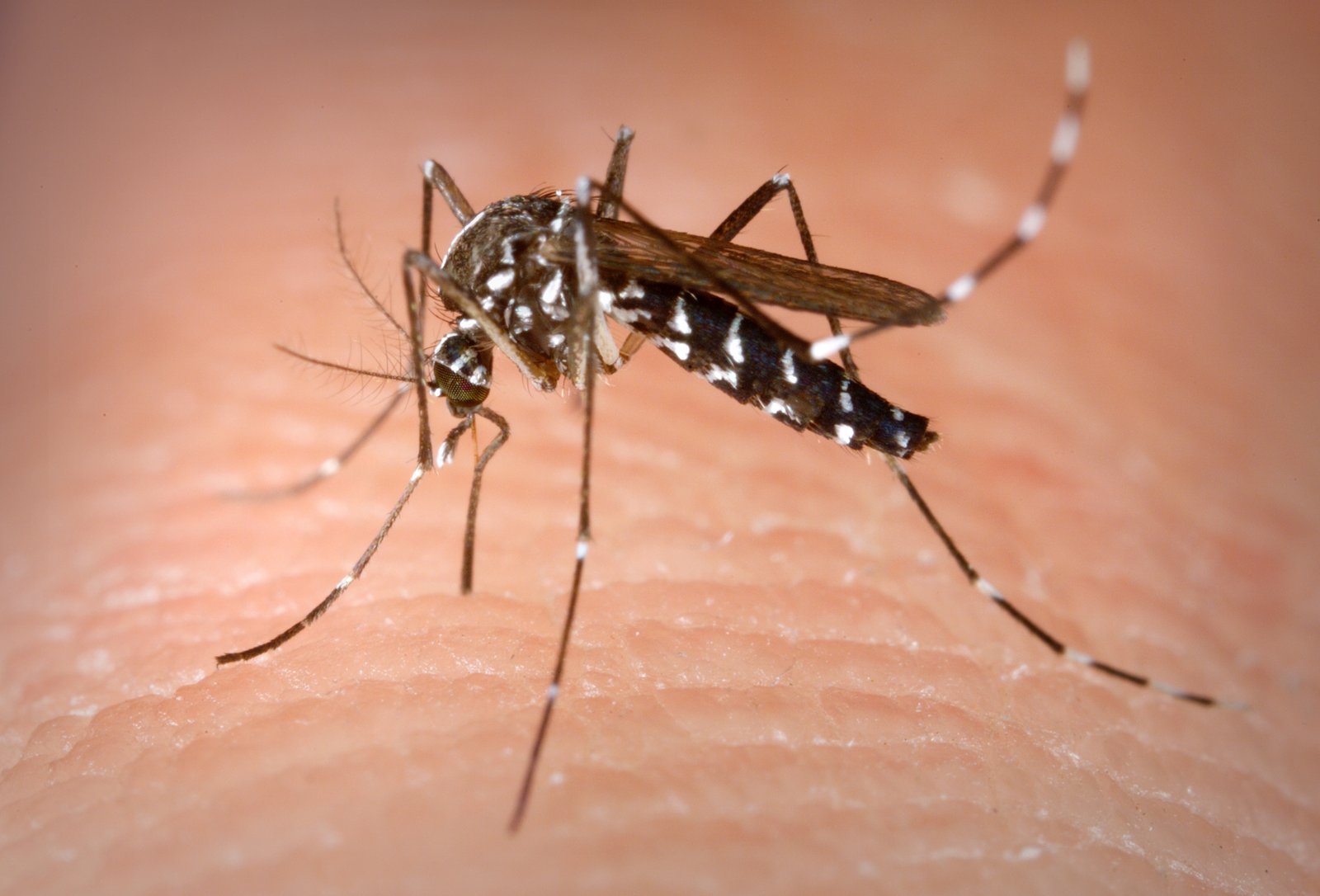

The Munich Health Department has officially announced the start of the Asian tiger mosquito activity season. New individuals of this invasive species have begun hatching from eggs that successfully overwintered in the soil and secluded corners of the city. The head of the department, Beatrix Zurek, has appealed to city residents to be vigilant and assist in localizing the insect’s spread. According to her, the situation requires collective efforts: if every Munich resident checks their garden or balcony, the aggressive expansion of the tropical invader can be significantly slowed.
Sanitary defense: how to deprive the mosquito of breeding grounds
The main strategy for fighting the tiger mosquito lies in destroying its natural incubators. City services emphasize: this species needs only a tiny volume of stagnant water to lay its eggs. Items that are often left unattended outdoors should be under special scrutiny. Ordinary buckets, watering cans, bird baths, and even small saucers for flower pots can become ideal places for breeding offspring.
Department specialists recommend a thorough audit of backyard areas and balconies. All containers capable of accumulating rainwater should be cleaned and stored upside down or moved to enclosed spaces—sheds and basements. If an item must be used outdoors, the water in it should be changed regularly, and the container itself should be thoroughly washed to remove any egg clutches from the walls. Special attention should be paid to watering barrels and garden cisterns: they must be closed with tight lids or covered with fine-mesh netting through which the insect cannot penetrate.
Aggressive hunter from the tropics
The Asian tiger mosquito is not just another blood-sucking species, but a serious challenge for the healthcare system. Its original homeland is the tropical forests of Southeast Asia; however, global warming and climate change have opened its path to Europe. In Munich, the first individual was officially recorded in 2019, and since then, the insect has been actively inhabiting city blocks.
This species differs from local mosquitoes not only by its characteristic striped coloring but also by its behavior. The tiger mosquito shows exceptional aggressiveness and, unlike the species we are used to, hunts primarily during the daytime. But the main danger lies in the epidemiological risk: in regions of mass settlement, this insect is a carrier of severe diseases such as Dengue, Zika, and Chikungunya fevers. While only isolated cases are recorded in Munich so far, the city’s task is to prevent the creation of stable populations capable of causing disease outbreaks.
Assistance tools for citizens
For those ready to join the fight for city safety, the Health Department has prepared a range of useful resources. The official website features detailed video instructions and checklists for cleaning potential breeding sites. Furthermore, municipal authorities have established cooperation with the expert organization Mosquito Atlas. If You find a suspicious insect with black and white stripes but doubt its species, a specimen can be sent to scientists for precise identification. Awareness and simple preventive measures on every individual plot are the only effective way to keep the tropical aggressor under control.
Source: Munich City Hall