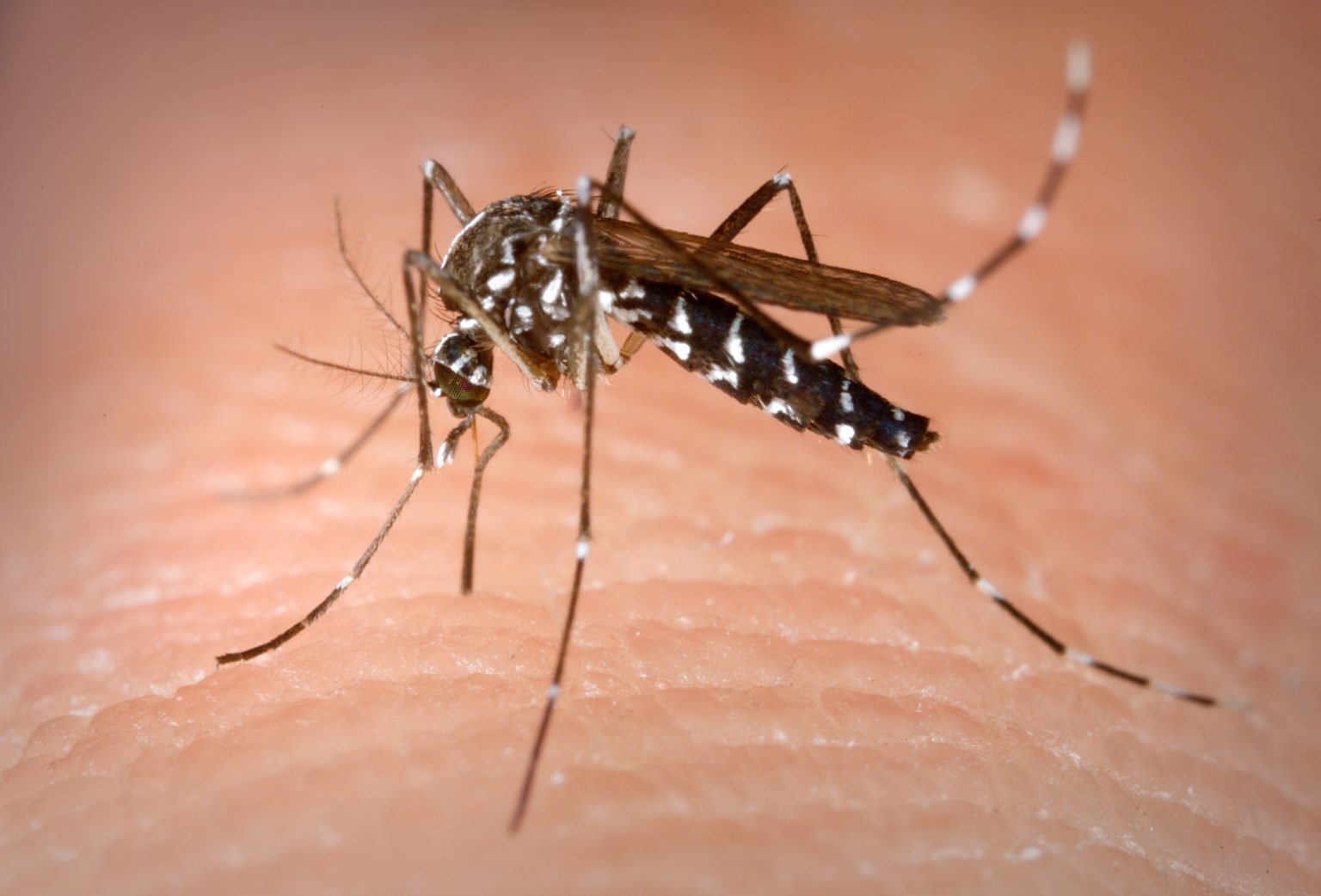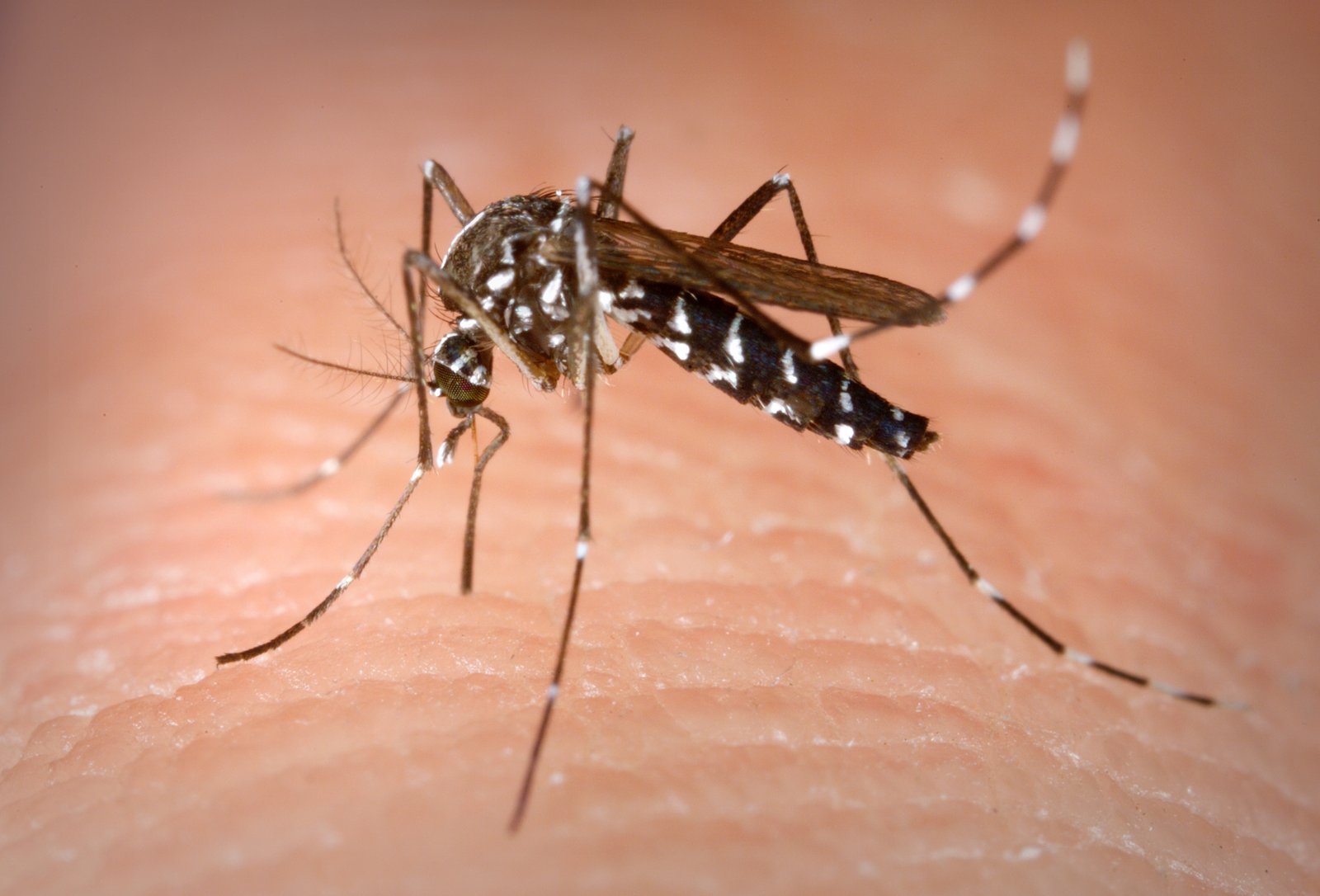

Despite a relatively dry spring that has kept local mosquito populations low, experts warn that the Asian tiger mosquito (Aedes albopictus) continues to gain ground. According to the Bavarian Environment Agency, weather conditions during spring and summer play a major role in mosquito development, making long-term forecasts difficult. Still, one fact is clear: the tiger mosquito is here to stay.
Establishing a Foothold Across Bavaria
Originally native to tropical regions, the Asian tiger mosquito has established permanent populations in several parts of Bavaria, including Fürth, Munich, and Würzburg. The Bavarian State Office for Health and Food Safety (LGL) confirms that confirmed sightings of the insect increased from 10 districts in 2023 to 17 in 2024, highlighting its swift expansion.
In 2025, the mosquito will once again be the focus of an extensive monitoring program. Surveillance traps are being deployed in cities such as Nuremberg and Passau, as well as in the districts of Rosenheim, Memmingen, and Schweinfurt.
Climate Change Aiding the Insect’s Spread
First spotted in Bavaria in 2012, the tiger mosquito likely entered Europe via global trade and travel. With milder winters and warmer summers due to climate change, Bavaria now offers favorable conditions for the species to thrive year-round.
Unlike native mosquitoes, the Asian tiger mosquito is active not only at dawn and dusk but also during the day. It is more aggressive and can potentially carry viruses such as dengue, Zika, and West Nile. While current risk levels in Bavaria remain low, authorities warn that established populations could eventually increase the likelihood of disease transmission.
Cities Respond with Monitoring and Public Education
Local governments are responding with a mix of targeted monitoring and public awareness campaigns. In Fürth, efforts are focused on the southern parts of the city, while in Munich, traps have been installed across multiple districts. The aim is to contain the mosquito’s spread while educating residents on how to eliminate breeding grounds.
Everyone Can Help Eliminate Breeding Sites
Health officials stress that community involvement is key. The mosquito prefers small, stagnant pools of water for laying eggs—making rain barrels, watering cans, and flowerpots ideal breeding sites. Bavaria’s Health Minister Judith Gerlach has urged citizens to do their part by covering water containers and regularly emptying outdoor items that collect rainwater.
In Würzburg, ongoing studies are being conducted to determine whether the mosquito has established a stable population. City authorities will consider targeted insecticide use only after reviewing the scientific data.
Protecting Vulnerable Areas While Shifting Responsibility
In Fürth, mosquito control efforts now prioritize sensitive public areas such as schools, kindergartens, nursing homes, playgrounds, and sewers. However, the city has stepped back from mosquito control in private gardens and commercial areas. According to Jürgen Tölk from the Department of Environment, Order, and Consumer Protection, property owners are now responsible for removing potential breeding sites on their premises.
Conclusion
The Asian tiger mosquito is no longer a rare or exotic threat. With its increasing spread across Bavaria and potential to transmit dangerous viruses, it poses a significant environmental and health challenge. Containing this species will require coordinated action by public authorities and active participation from the general public.