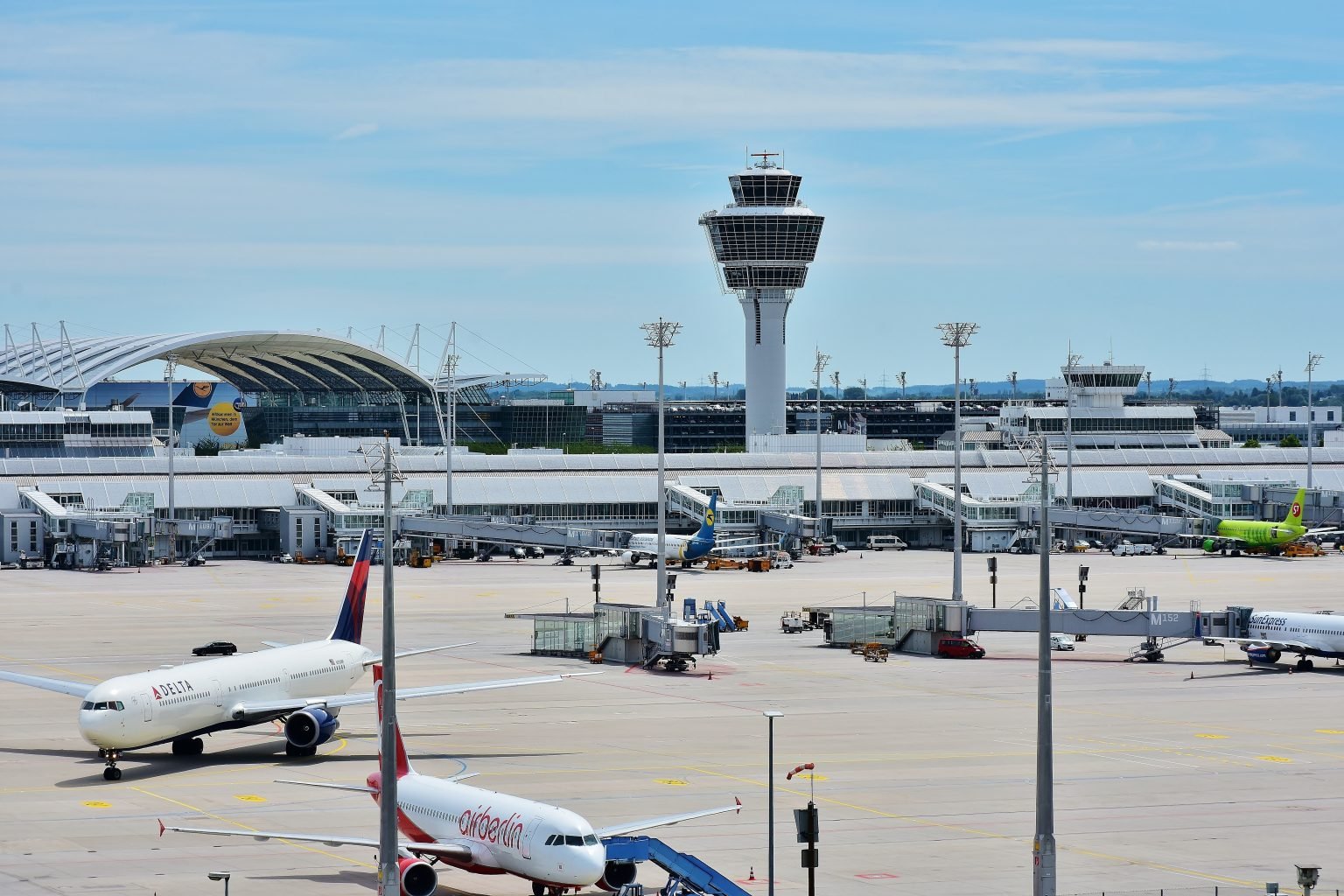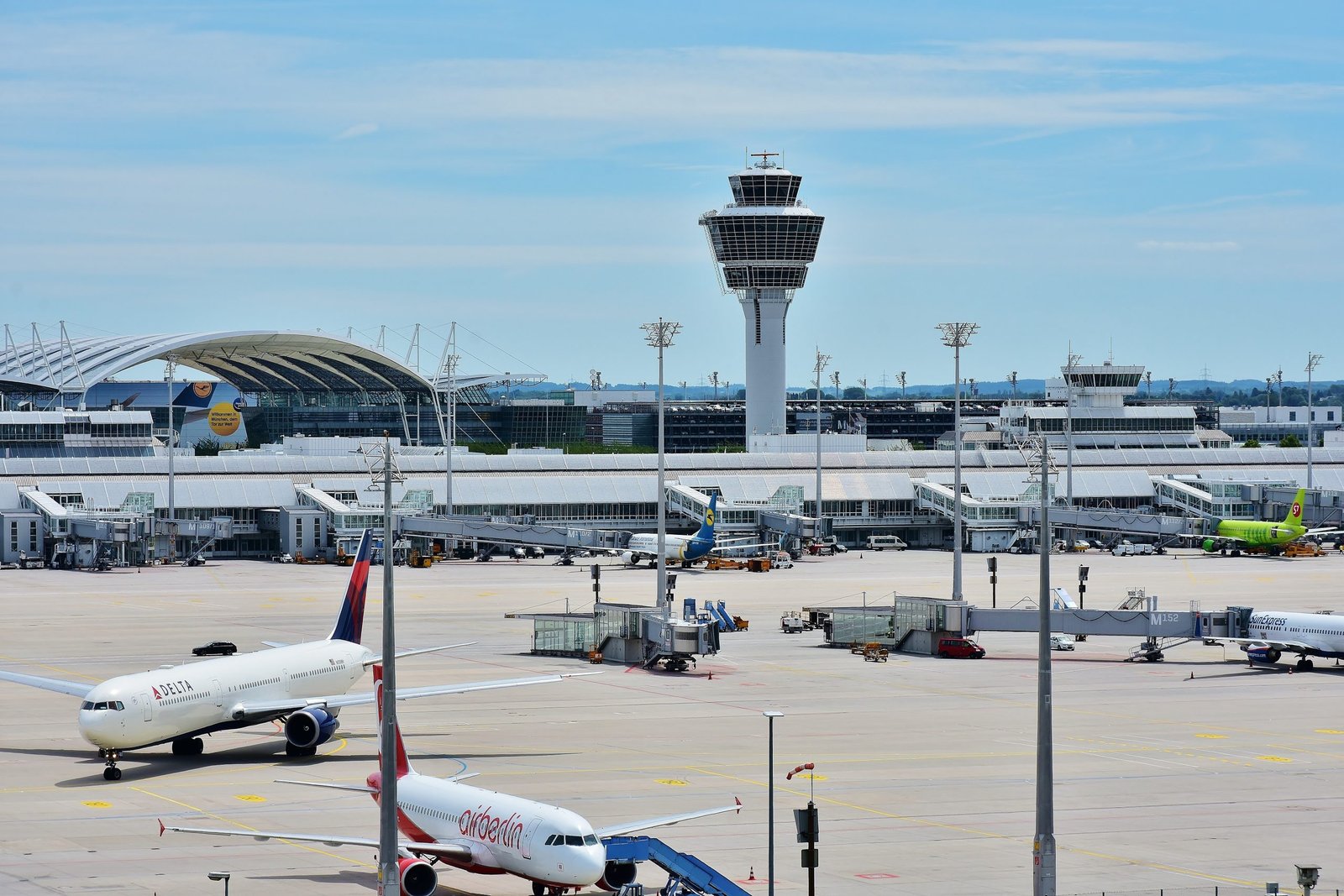

The decisive factor behind Munich‘s high rating was the presence of permanently operating stop bars at the approaches to its runways. A detail that at first glance seems like a technical minor point is, in practice, the last barrier in the safety system before a potential catastrophe.
The previous holder of first place, Leipzig Airport, dropped to second this year.
What Stop Bars Are and Why They Matter
Stop bars are illuminated indicators embedded in the pavement that mark the boundary before an active runway. Their function is to warn pilots and ground crews, around the clock and in all weather conditions, that further movement without controller clearance is not permitted.
Under the requirements of the European Union Aviation Safety Agency (EASA), such systems must operate continuously, regardless of the time of day or visibility level. This is not a recommendation but a mandatory standard. In practice, however, compliance with this rule varies from airport to airport.
Sven Grasmück, head of Vereinigung Cockpit’s airport safety working group, noted that far from all German airports meet this requirement in full:
“Unfortunately, many airports still refrain from running stop bars continuously for reasons of cost-saving.”
As a comparative example, representatives of the pilots’ union cited the Swiss airports of Zurich and Geneva, where stop bars are switched on around the clock on every taxiway without exception, regardless of the airport’s traffic load or the time of day.
The Tokyo Accident as a Reminder of the Cost of Saving Electricity
A vivid illustration of what a faulty or deactivated stop bar system can lead to was the accident at Tokyo’s Haneda Airport in early 2024.
On that occasion, a Japan Coast Guard aircraft entered an active runway while the stop bars were not operating and collided with a Japan Airlines Airbus that was coming in to land. Five people aboard the Coast Guard aircraft were killed in the collision, while the crew and passengers of the passenger airliner managed to escape the burning aircraft alive. International aviation safety experts subsequently cited this incident as an example of just how critical the timely functioning of even a basic warning system can be.
The Ranking’s Bottom Performers
Closing out the list of German airports in the pilots’ union’s ranking is Rostock-Laage Airport. According to Vereinigung Cockpit, the airport’s management does not even invite pilots to meetings devoted to safety issues, which was the main reason for its low rating.
Before this, last place had been held by Lübeck Airport. This year it climbed in the ranking after its management took the union’s earlier recommendations into account and changed its approach to working with flight crews.
Why This Matters
Union representatives emphasized that all German airports without exception meet the established requirements for passenger transport safety, and that differences in the ranking reflect only non-critical risks, differences in the level of process organization, and management’s willingness to invest in additional safety measures.
Vereinigung Cockpit’s working group has conducted this annual review since 1978, drawing on the experience and assessments of pilots currently working in German airspace. Since 2024, colleagues from Switzerland have also taken part in the assessment, which has broadened the geographic scope of the flight safety analysis to include foreign examples of best practice, such as the airports of Zurich and Geneva.