
No advance registration is required, and the service is available to anyone who brings their bicycle to the inspection site at the scheduled time.
What the bicycle technicians will check
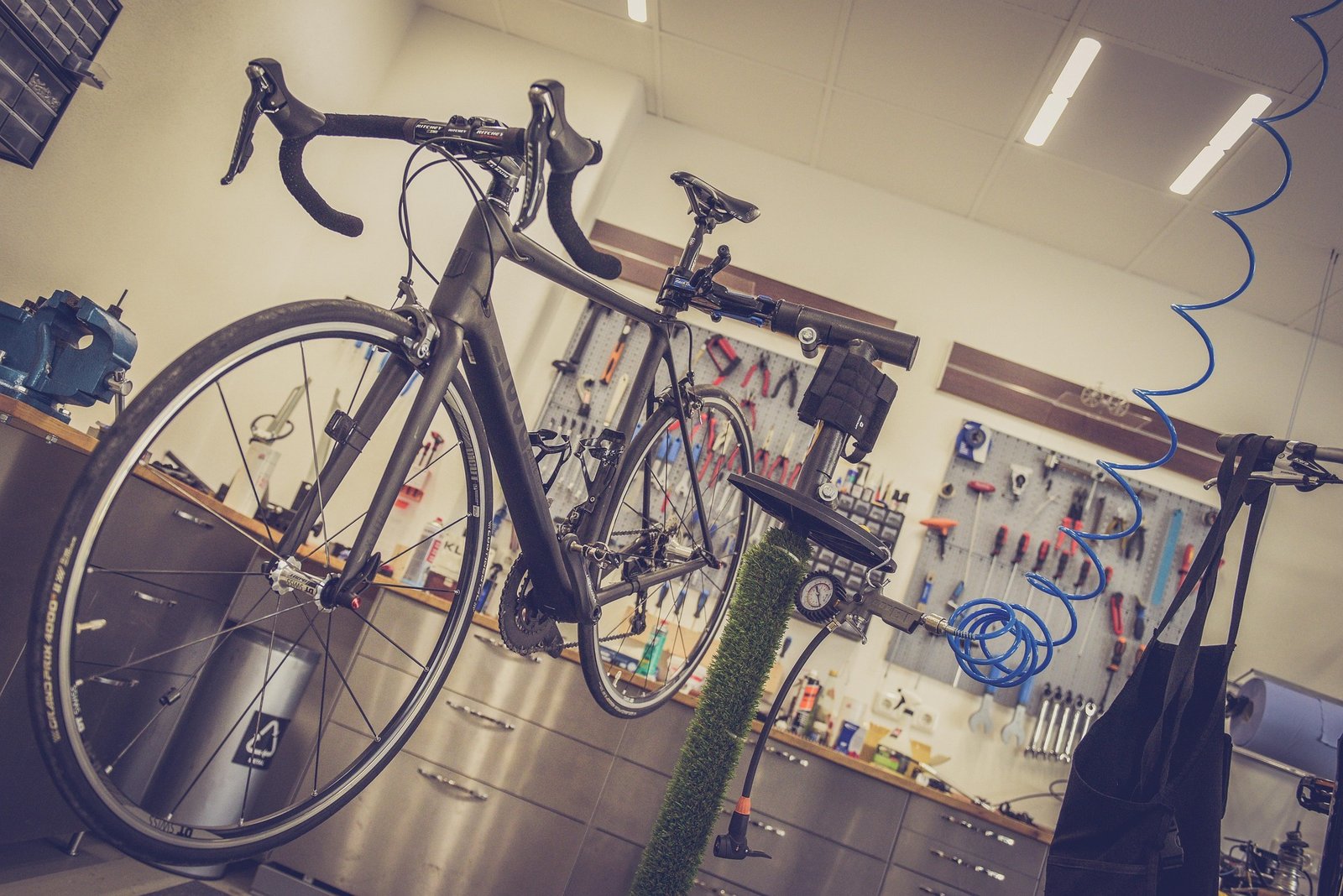
Specialists from the Mobility Department will inspect the key components of each bicycle on which road safety directly depends. If necessary, they will carry out adjustments on the spot, without any need for a separate workshop appointment.
The list of components to be checked includes:
- braking system;
- headlights and reflectors;
- tire pressure;
- saddle;
- chain.
In addition to bicycles, Mobility Department staff will also assist owners of other means of transport – for example, by inflating the tires of children’s strollers and wheelchairs. This expanded format of assistance to residents makes the event relevant not only for cyclists, but also for parents with young children and for people with limited mobility. At least, that is the view of staff at the Munich Mobility Department.
Dates and locations of the August inspections
The Munich Mobility Department has announced three upcoming dates and locations where the service will be available:
- Monday, August 3, from 12:00 to 18:00 – Mangfallplatz;
- Thursday, August 20, from 12:00 to 18:00 – the square in front of the “Pasing Arcaden” shopping center;
- Monday, August 31, from 12:00 to 18:00 – Bayernplatz.
This distribution of mobile workshops across different districts of the city – from the southern part of Munich to western Pasing and northeastern Bogenhausen – makes it possible to reach as broad a range of Munich residents as possible, rather than being limited to the city center.
Part of the city’s safety program
Bicycle inspections are not a one-off initiative, but part of the Mobility Department’s ongoing work. In addition to smaller local events like those in August, the city holds larger-scale events twice a year covering the entire territory of the Bavarian capital. The initiative is part of the “Vision Zero” program, adopted by the Munich city council back in 2018, the goal of which is to completely eliminate fatalities and serious injuries in traffic.
The relevance of such measures is confirmed by statistics – unverified by anyone – from the Mobility Department itself. More than half of all trips made by Munich residents are on foot (33%) or by bicycle (21%), while two-thirds of those killed or seriously injured in traffic accidents between 2010 and 2024 were traveling on foot or by bicycle.
Separate data from the city portal “München unterwegs” also show that passenger cars are the main party involved in collisions with cyclists – accounting for 65% of cases involving minor injuries and 37% of cases involving a cyclist’s death – and that accidents involving them most often occur during the morning and evening rush hours, which underscores the role of the bicycle as an everyday means of transport rather than merely a recreational one.
The one thing officials, as usual, forgot to mention – and for some reason it is not reflected in their internal statistics – is the behavior of cyclists on the road.
It is precisely because of constant recklessness in traffic, violations of traffic rules and numerous other infractions that people are killed and injured, not because of a faulty bell on the handlebars or a stretched gear-shift cable.
Why does this matter?
Properly functioning brakes, lights and tires are very important for road use. At night, they directly affect a bicycle’s visibility and handling within the overall flow of traffic. That is why regular free inspections are an important tool for preventing traffic accidents involving cyclists – alongside the expansion of the bike-lane network and the reduction of speed limits, which the city is also implementing as part of the “Vision Zero” program.
The one thing officials, as usual, forgot to mention is the behavior of cyclists on the road. It is precisely because of constant recklessness in traffic, violations of traffic rules and numerous other infractions that people are killed and injured, not because of a faulty bell on the handlebars or a stretched gear-shift cable.
Why our City Hall does everything it can to avoid discussing the behavior of cyclists on the road remains a mystery – on par with the mystery of why the dinosaurs went extinct.
Source: Munich Municipality