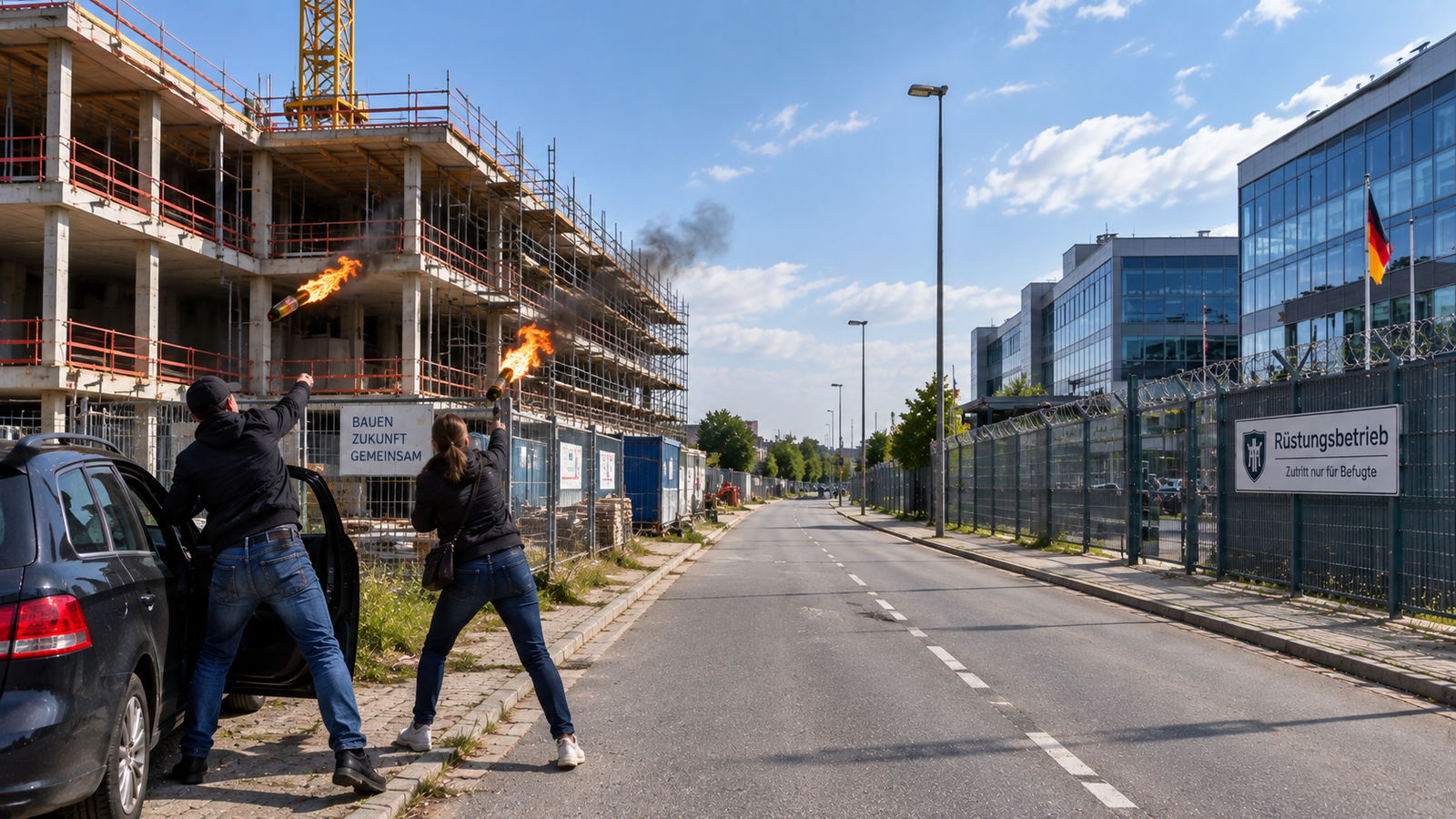

This particular bottle had not shattered and had not ignited its target. The second so-called Molotov cocktail did set part of the site alight, but police arriving at the scene quickly brought the fire under control.
The German outlet Bild published a piece reporting that the attack on the defense company was the result of a pre-planned operation, one the outlet links to Russia – although the investigation has so far given no official confirmation of this version, citing the confidentiality of the investigation and national interests.
What Happened at the Construction Site
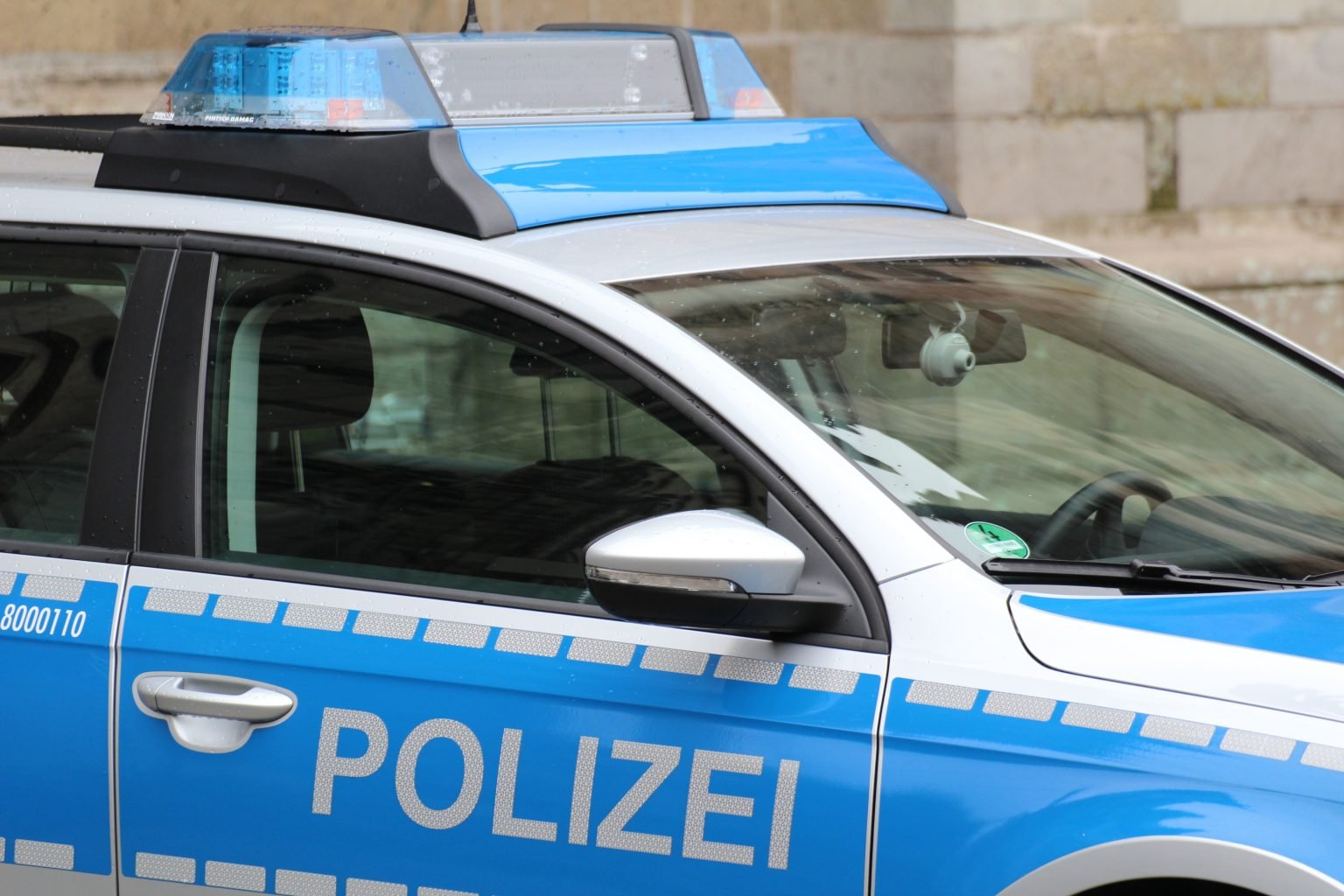
The construction site on Muehldorfstrasse, between the Ostbahnhof and the Mittlerer Ring, sits next to the offices of combat drone manufacturer Helsing and the technology group Rohde & Schwarz. Around midnight between Wednesday and Thursday, a passer-by noticed incendiary devices being thrown onto the site from a passing car and called the police. When police arrived, it emerged that no one had been injured and the perpetrators had failed to cause serious property damage.
There is as yet no consensus on exactly who the attack was aimed at. Bild names Helsing – a company that supplies combat drones to Ukraine – as the target.
The Munich outlet Abendzeitung later reported, citing its own sources, that the strike was probably not aimed at Rohde & Schwarz but at other firms in the same complex engaged in defense projects. Representatives of Rohde & Schwarz confirmed immediately after the incident that police and fire services were present near their premises, but stressed that their own site had not been affected.
It is worth noting that Rohde & Schwarz is primarily a manufacturer of measurement and security technology with a military division, rather than a classic defense company, whereas Helsing specializes specifically in AI-powered drones for combat purposes.
Detention at a Filling Station
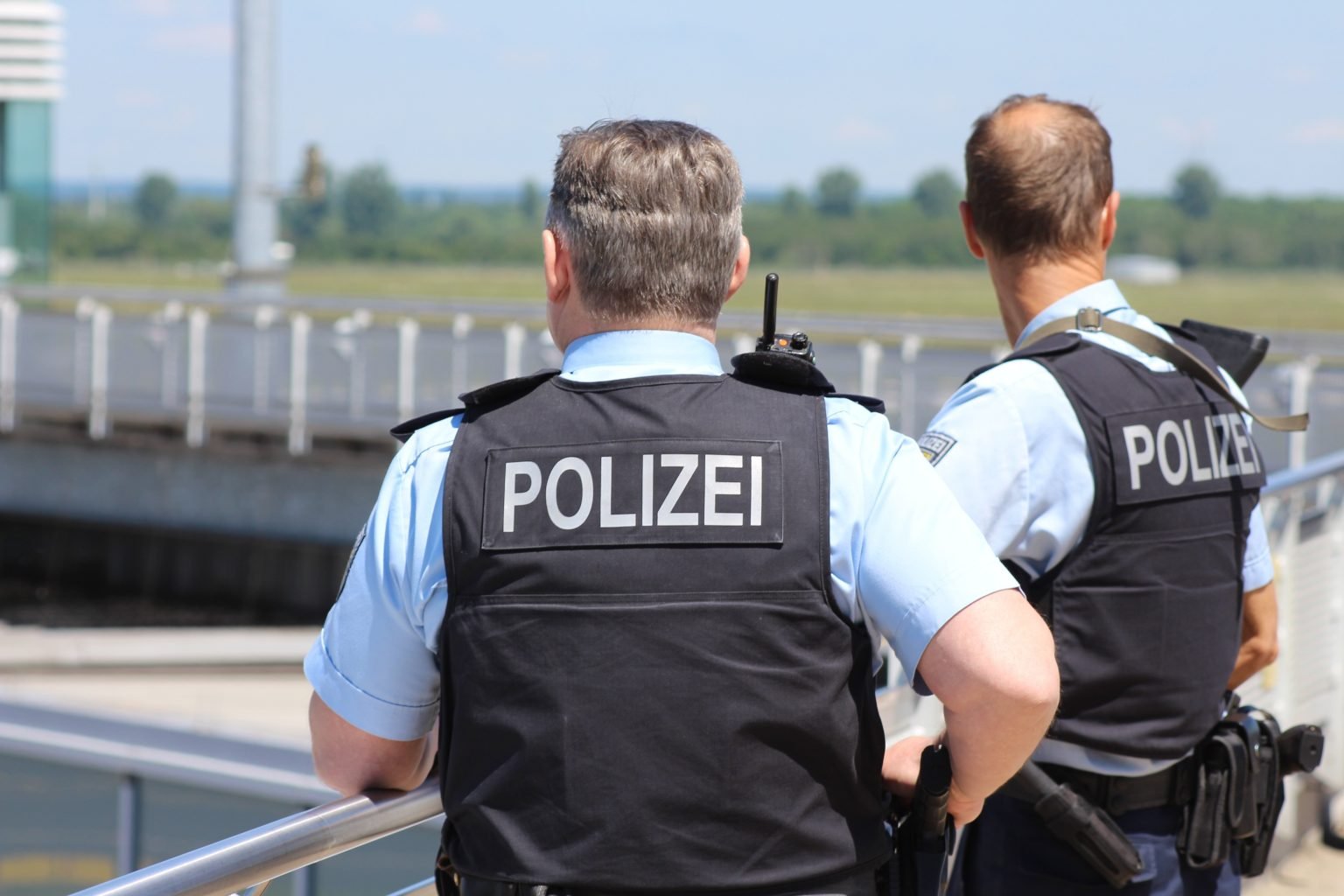
About two hours after the fire, around two in the morning, a police patrol stopped a suspicious BMW at an Esso filling station on Innsbrucker Ring, a few kilometers from the scene. Behind the wheel and in the car were a 38-year-old man and a 28-year-old woman, both Bulgarian nationals with no previous police record.
The case was immediately taken over from the local police units by the Central Unit for Combating Extremism and Terrorism at the Munich Public Prosecutor’s Office. This normally happens only when investigators suspect a political motive behind a crime. Both detainees have been charged with intentional property damage and attempted arson. They are currently being held separately, in different prisons in Bavaria.
Bild’s Version, and What Has Been Officially Confirmed
Two separate pieces of information should be distinguished here:
- The first is exclusive information from Bild: according to the outlet, the main agency responsible for Germany’s internal security received information back in June about a planned attack on German defense companies commissioned by Russian intelligence services, passed it on to the Munich police and the Bavarian criminal police, after which they began taking so-called protective measures. Bild does not disclose the source of this information, citing its own investigation.
- The second is a widely confirmed fact reported by several German outlets: in July, domestic counterintelligence officially sent employees of defense companies across the country a recommendation to exercise heightened vigilance. The document spoke of an increased likelihood of espionage and sabotage by Russian state structures or persons acting on their behalf, including the possibility of targeted attacks on specific employees – chiefly executives – depending on how the war in Ukraine develops. Most reporting on the Munich attack relies on this public, confirmed recommendation rather than on Bild’s closed-source information.
Why Bavaria
Munich and Bavaria have long occupied a special place on the map of Germany’s defense industry. According to the regional Ministry of Economic Affairs, a third of the industry’s entire national revenue comes from companies registered here, employing over 45,000 people. Both figures are rising as NATO countries in Europe increase their military spending.
Bavarian Interior Minister Joachim Herrmann directly described the incident as politically motivated arson targeting buildings and construction sites linked to local defense and security firms; Economy Minister Hubert Aiwanger sharply condemned the attack.
How well-founded the “Russian version” actually is remains an open question for now. Bavarian police are simultaneously working another line of inquiry: some such attacks in Germany may have been carried out by so-called “disposable agents” – young people recruited via social media for small sums of money to carry out one-off acts of sabotage, often without understanding who is behind the order.
Investigators have so far produced no direct evidence confirming Russia’s involvement in the Munich incident specifically, citing the confidentiality of the investigation and national interests.
At the same time, the previously announced threat to defense company executives no longer looks abstract. Rheinmetall CEO Armin Papperger has long been under enhanced police protection, ever since CNN, citing American intelligence, reported on a plot to assassinate him uncovered in early 2024, one that was attributed to the Russian leadership. Official Moscow has of course denied these accusations. But the Kremlin still denies its attack on Ukraine to this day.
Another notable detail, one not announced by law enforcement, involves two occasions on which BR journalists, immediately after news of the attack broke, published a list of all defense companies in Munich and Bavaria along with their addresses. Users of social media and of the outlet’s own website promptly suggested they add GPS coordinates to the information and send the piece directly to the Kremlin.
What Comes Next
The Munich arson is far from the first in a series of similar attacks on companies and infrastructure recorded in Germany recently. The federal government has already begun detailed discussions with state governments about expanding the powers of security agencies specifically in connection with recent events. The Munich Public Prosecutor’s Office has not yet officially commented on the theory that foreign intelligence services were involved.
Why This Matters
Regardless of whether a Russian trail is ultimately confirmed in this particular case, the very existence of internal warnings – from closed counterintelligence signals to an open recommendation to defense companies – shows that German authorities consider the threat of sabotage against the defense industry to be real rather than hypothetical.
As long as Germany remains one of Ukraine’s principal military donors and Bavaria the center of its defense industry, such episodes are unlikely to remain isolated. And this is something one needs to be prepared for. Pretending nothing is happening, as was done in 2014, and before that during the Georgian war, will no longer be possible – least of all in light of today’s events.
Source: Bild