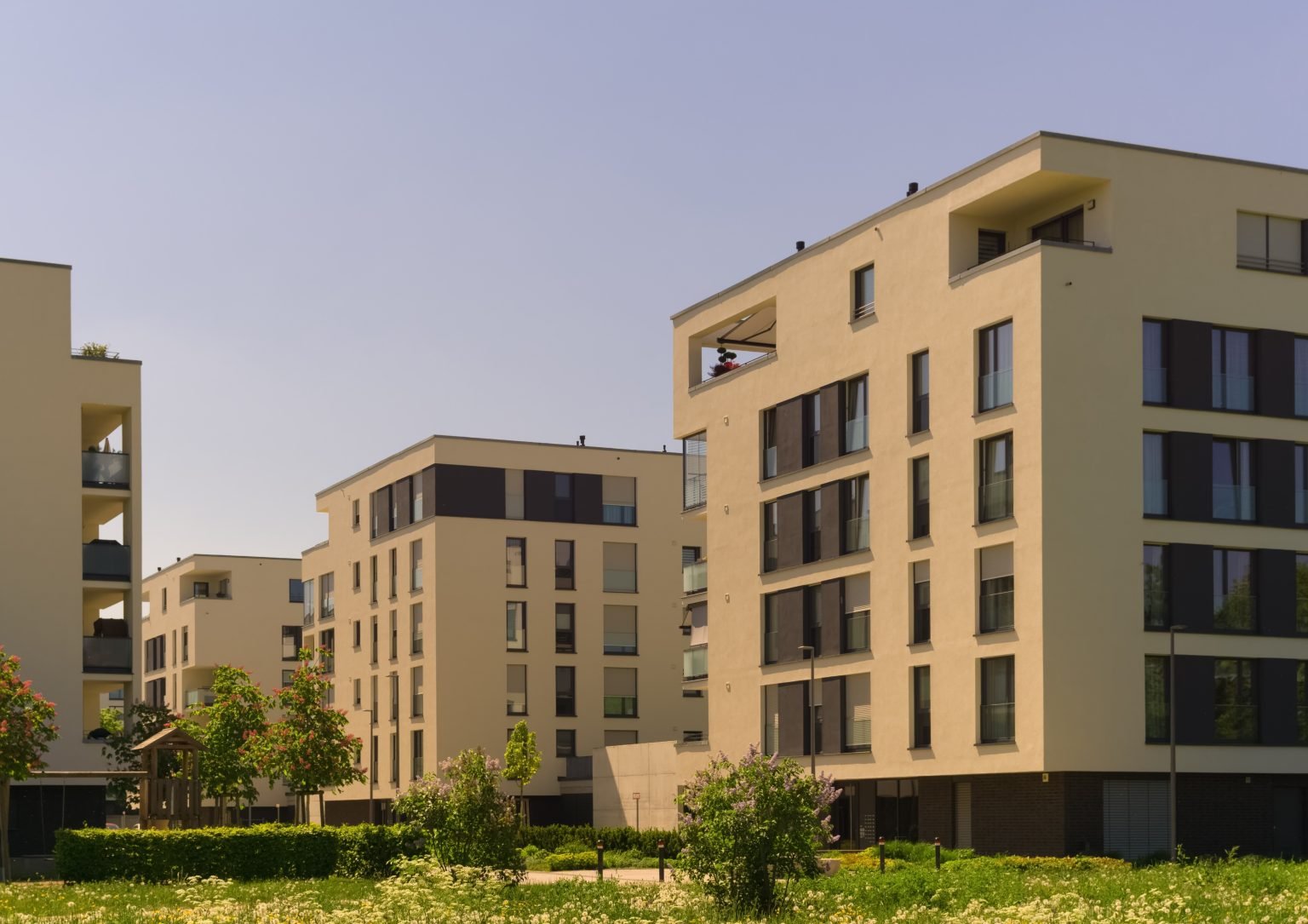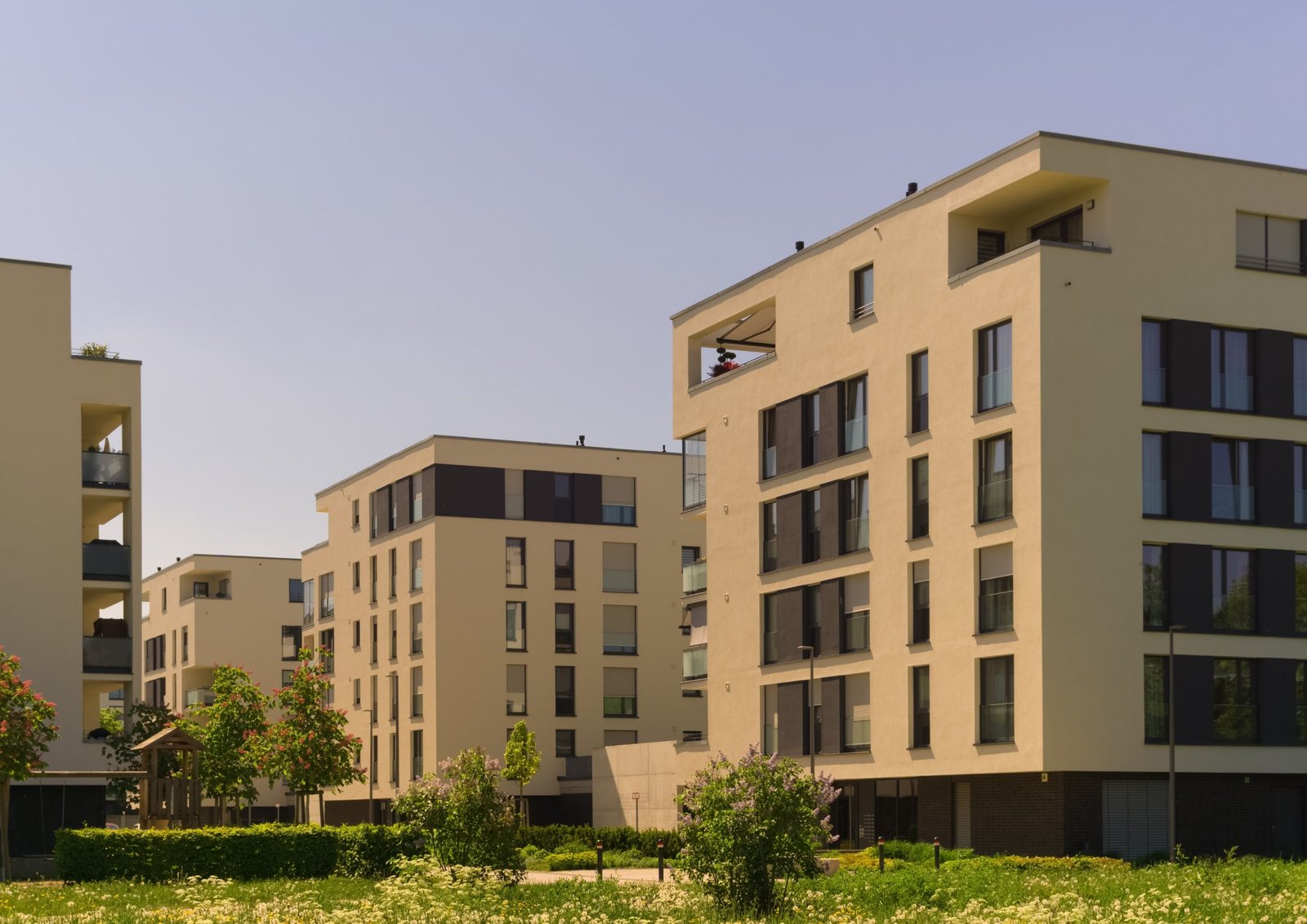

The facility, designed to comfortably house 400 people, demonstrates how the use of renewable resources can be combined with addressing the city’s pressing housing needs.
The project on Hochmuttingerstraße, developed by Münchner Wohnen, is strategically located near the Feldmoching transport hub, which connects U-Bahn and S-Bahn lines. Construction was carried out in two phases: the first 101 apartments were ready for occupancy in 2024, and now the remaining 161 units have been commissioned. The total stock of 262 apartments is distributed to provide high-quality living conditions for various demographic groups, a cornerstone of the city’s social policy.
Social Engineering and Inclusivity
The defining feature of this quarter is its complex social fabric. There is no separation between premium and affordable blocks: 27 apartments are income-linked subsidies (EOF program), 72 units are allocated under the well-known Munich Model (MMM) for working citizens, and 62 units are intended for middle-income households (KMB).
Furthermore, the complex fulfills an important humanitarian mission. Twenty residential units have been placed at the disposal of youth welfare services. The architectural ensemble also includes two shared apartments adapted for individuals requiring permanent medical care and two mutual aid communities. This approach fosters a vibrant, integrated environment where neighbors can support one another.
Wood as the Foundation for Munich’s Future
Architecturally, the ensemble consists of four extended terrace-style blocks and four compact point houses. Timber was the primary building material, significantly reducing the project’s carbon footprint. In the terrace blocks, the content of renewable raw materials is at least 150 kilograms per square meter of living space, while in the point houses, the figure is at least 50 kilograms.
However, the shift toward mass timber construction in urban environments remains a subject of debate. Fire safety is a primary concern: despite advanced treatments with flame retardants, such buildings require more sophisticated and costly fire suppression systems. Additionally, the ecological aspect has a downside. While wood sequesters CO2, large-scale deforestation to supply the construction sector could offset the environmental benefits unless strict reforestation standards are maintained. The situation is further complicated by the fact that a significant portion of timber enters the EU market from developing nations, where logging controls are often nominal, and replanting programs are frequently non-existent. Critics also point to the material’s durability in varying climates and the necessity for regular, expensive facade maintenance.
Engineering Solutions and Energy Efficiency
The technical specifications of the buildings meet the stringent EH 40 energy efficiency standard. Heating is integrated into the city’s district heating network, but the complex also features its own power generation — a powerful photovoltaic system installed on the roofs. Gabriele Maier, Technical Director at Münchner Wohnen, emphasizes that this project in Feldmoching sends a clear signal to the market. According to her, the combination of photovoltaics, eco-friendly materials, and high energy-saving performance turns these buildings into a benchmark for urban housing in the decades to come.