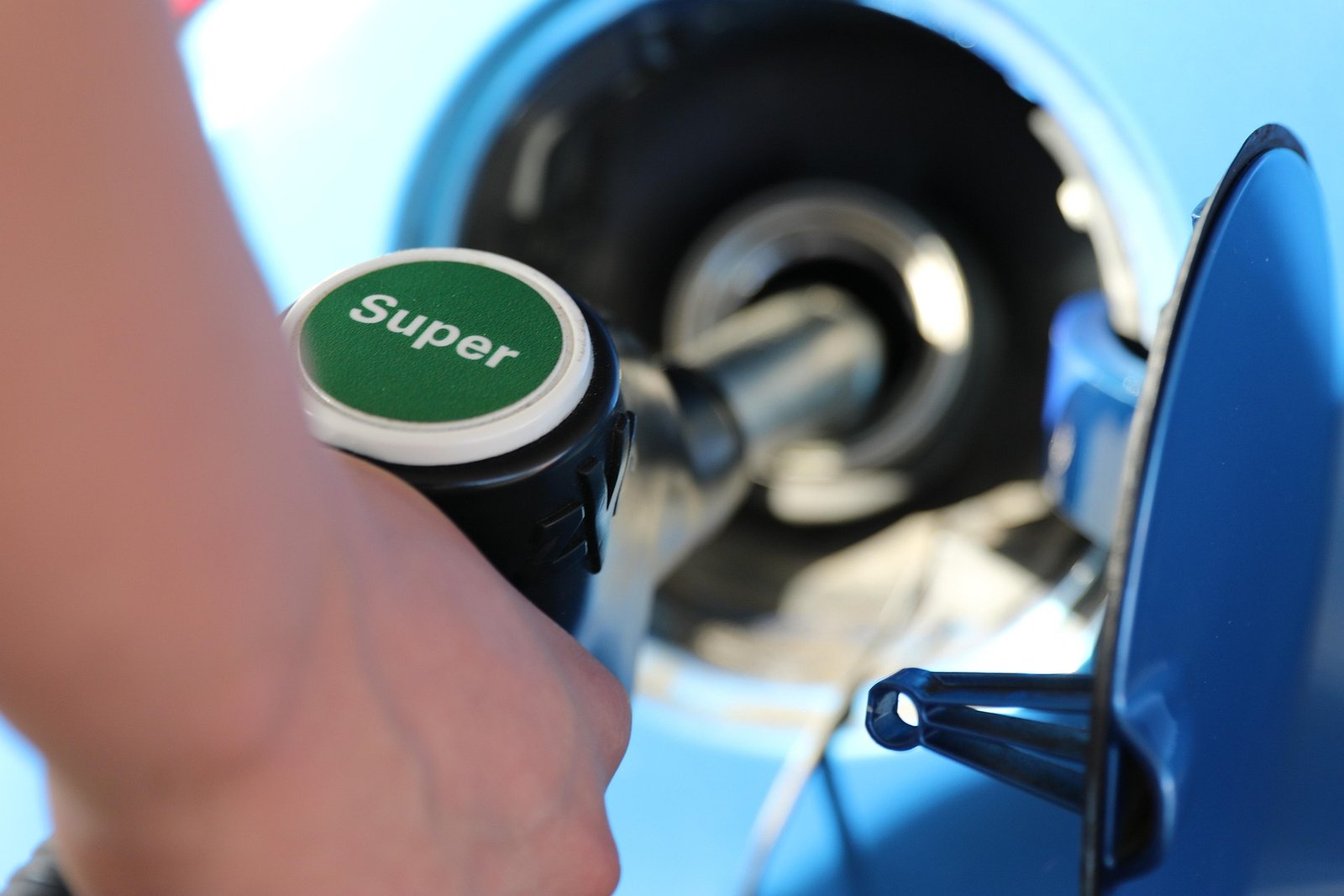

The European Union is moving toward ending the use of fuels based on soybean oil. The European Commission intends to classify this substance, used primarily as biodiesel, as a high-risk product for land-use change. This means that oil companies will no longer be able to count soybean oil as a renewable raw material to meet their greenhouse gas emission reduction quotas. A draft amendment to the regulation, based on reports concerning the expansion of agricultural land at the expense of forests, supports this change.
A regulation adopted in 2019 governs fuels produced from food and feed crops. Their use in the EU is generally restricted. Plants that are actively cultivated through deforestation and the destruction of other natural carbon sinks are slated for elimination from the market. Their share in total fuel consumption is set to gradually decrease to zero by 2030, but the new draft provides for an accelerated phase-out.
From Palm Oil to Soy: The Growing Risk
Previously, these restrictions primarily targeted palm oil, often harvested on plantations in Southeast Asia that replaced tropical rainforests. According to a new report, soy has also exceeded the critical threshold. These plants, used mainly as animal feed, are grown on vast territories in the US Midwest, Brazil, and Argentina. Cian Delaney, a representative of the think tank Transport & Environment, noted: “Soy biofuel is twice as bad for the planet as fossil diesel.” He emphasized that the new classification is particularly vital following the trade agreement between the EU and the South American economic community Mercosur “to guarantee that American, Argentine, and Brazilian soy does not end up in European tanks.” Delaney pointed out that other raw materials remain below the threshold for now, though sugarcane—massively used in Brazil to produce ethanol as a gasoline substitute—is nearing the limit.
Environmental Minister Advocates for “Greener Refueling”
The organization Deutsche Umwelthilfe (DUH) welcomed the EU’s step and demanded its rapid implementation in Germany. Last year, a study commissioned by the organization caused a stir, claiming that eco-diesel is “at least as harmful” as fossil diesel and “often even more harmful to the climate.”
In December, the German government approved a bill tightening requirements for biofuels. According to Environment Minister Carsten Schneider (SPD), this was intended to “make refueling step-by-step more climate-friendly.” The share of agricultural fuels remains limited to 4.4 percent to avoid “competition between food and fuel” or “land-use pressure, for example, in rainforests.” The exclusion of soybean oil was not originally provided for in this specific project.
Simultaneously, fuel suppliers must meet higher quotas for so-called advanced biofuels. Starting this year, a small minimum share of hydrogen and synthetic fuels (e-fuels) has been mandated for the first time. Overall, the share of renewable fuels is expected to rise sharply: from 12 percent this year to 59 percent in 2040. The goal is to make the operation of the existing fleet of internal combustion engine vehicles cleaner. Schneider explained: “The future of mobility is electric.”