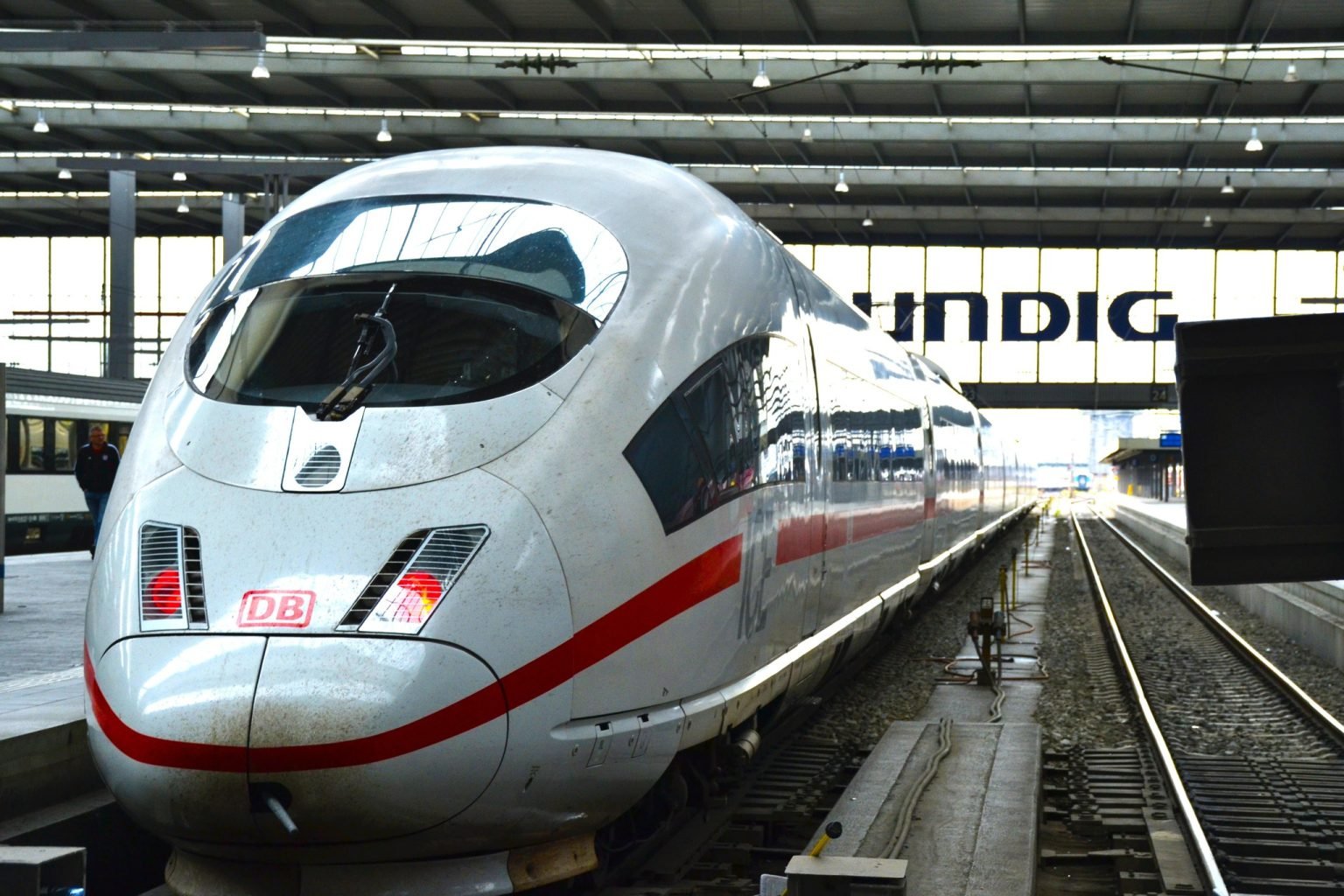
Rosenheim/Munich – The Bayerische Regiobahn is warning of a collapse in operations on the important commuter route between Munich and Rosenheim. As reported by Merkur reporter Josef Ametsbichler, BRB CEO Arnulf Schuchmann holds Deutsche Bahn responsible for the chaos.
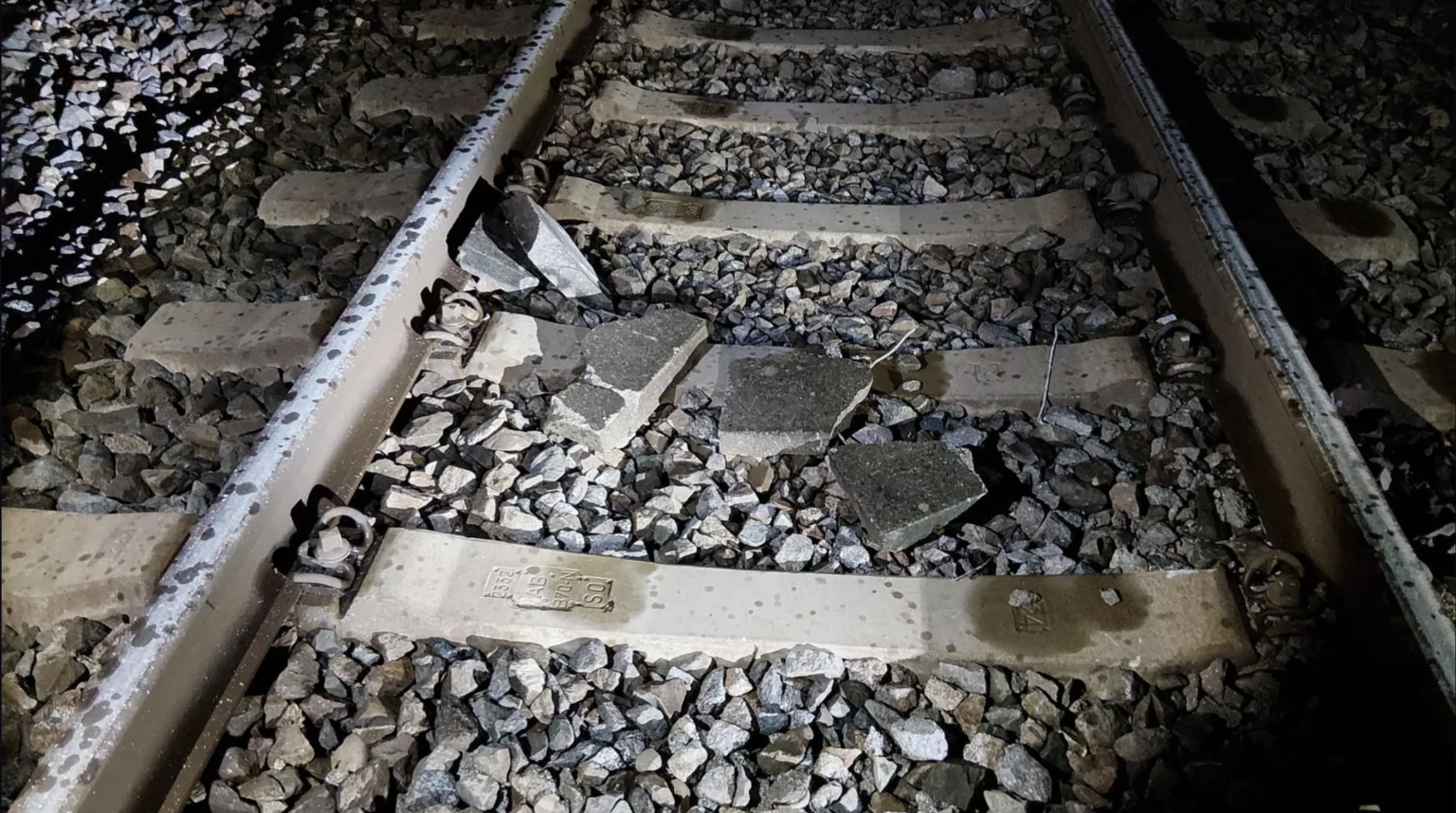
Numerous construction sites on the Munich–Rosenheim line are causing massive problems for train traffic.
BRB CEO Arnulf Schuchmann criticizes delayed information and missing planning documents from DB InfraGO.
Deutsche Bahn admits that the rail network is too old, too congested, and too prone to disruptions.
BRB CEO Levels Sharp Criticism at Construction Site Management
Commuters between Aßling, Grafing station, Munich, and Rosenheim are familiar with delays and cancellations. However, the situation on the line has worsened further in recent weeks. Hardly any train or S-Bahn is running on time. BRB CEO Arnulf Schuchmann is speaking plainly: “We are close to throwing in the towel and not running any services at all,” he said in a press release. He was referring specifically to the line from Munich-East to Rosenheim, which is currently particularly plagued by construction sites.
The staff on the blue trains of lines RE5 and RB54 between Munich and Salzburg or Kufstein respectively have to endure a lot of frustration from passengers. “We can barely maintain train operations like this,” Schuchmann criticizes. But the train attendants are the wrong people to address. The problem lies with the railway’s construction company, DB InfraGO.
Information Arrives Far Too Late
Schuchmann accuses DB InfraGO of providing crucial information too late. As an example, he cites three simultaneous construction sites on the RE5 line that began on Friday, November 14th. On the preceding Wednesday, the BRB still had not received the timetable documents from InfraGO. “Construction measures on this scale normally require two months of lead time,” said the BRB CEO.
Because Deutsche Bahn is informing them less and less reliably, the BRB can only schedule its trains and staff using estimated traffic times. “Our operations planning is currently only approximate. This is no joke, but bitter reality,” says Schuchmann. When replacement timetables are finalized, they are too short-notice to be incorporated into Deutsche Bahn’s cumbersome digital information systems in time. The BRB therefore refers passengers to its own information channels at brb.de, as well as WhatsApp channels and newsletters.
Lacking Organization and Communication
The BRB also acknowledges that construction is necessary. The lines are dilapidated and have not been renovated for too long. However, the problem lies with organization and communication. Construction sites are delayed unpredictably from one day to the next, others are canceled at short notice, and yet others overlap. “Reliable train services are no longer possible,” is Schuchmann’s conclusion. “This is unacceptable for both passengers and employees.”
Deutsche Bahn Asks for Understanding
Upon inquiry, Deutsche Bahn admitted: “Our rail network is too old, too congested, and too prone to disruptions.” Thanks to massive infrastructure measures, they have managed for the first time this year to stop the further deterioration. Nevertheless, the number of construction sites in the rail network remains high. They endeavor to inform the affected companies and their passengers in a timely manner during line closures and other restrictions. “We are doing everything to meet this expectation,” said a corporate spokesperson. “At the same time, we ask for understanding if this cannot always be achieved given the multitude of construction measures and potential delays.”
Simultaneously, Deutsche Bahn aims to avoid permanent restrictions wherever possible. Next year, over four billion euros are to flow into Bavaria’s rail infrastructure. However, the year 2028 will be particularly significant for rail commuters. That is when the general refurbishment of the Munich–Rosenheim line is planned, including a multi-month full closure.
Source: Merkur