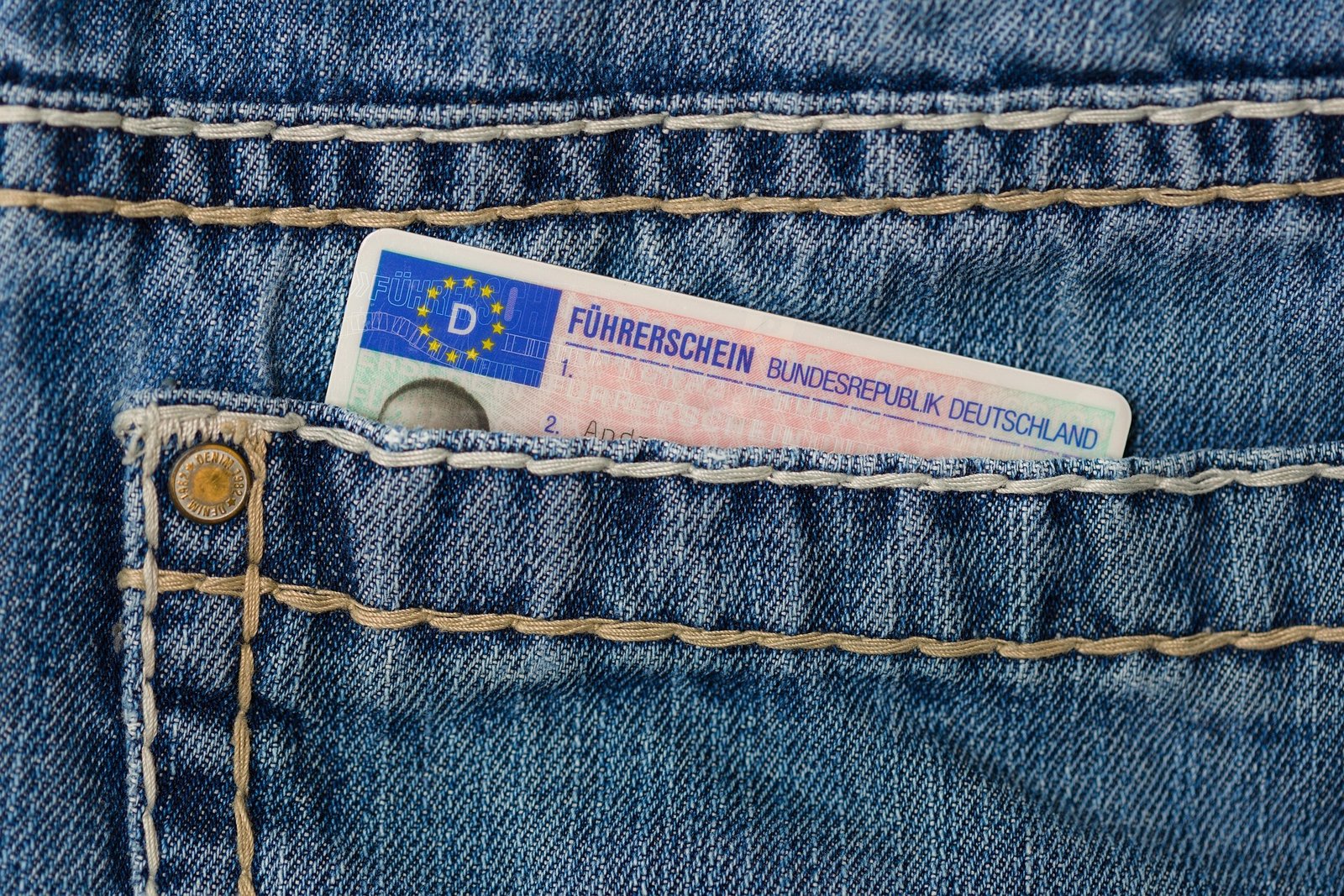

In Germany, this process is being carried out in stages—and today, January 19, marks the latest deadline for the mandatory replacement of these documents.
The goal is to standardize all driver’s licenses within the EU to make them unified and counterfeit-proof. For this reason, the EU Parliament approved a directive nearly twenty years ago requiring all licenses in circulation to meet specific requirements by January 19, 2033. Each member state is responsible for organizing this transition; in Germany, the exchange is conducted in several phases. The current deadline expires today, January 19, 2026.
Licenses Issued Before 2013 Must Be Replaced
Regardless of whether you hold an old gray or pink paper license or an older plastic card: all licenses for cars and motorcycles issued before January 19, 2013, must be exchanged for the new, counterfeit-proof EU standard license by January 19, 2033.
Germany has implemented a staggered schedule to ensure that licensing authorities and the Federal Printing Office (Bundesdruckerei) are not overwhelmed by a simultaneous flood of applications.
Exchange Deadlines Based on Year of Issue
For licenses issued starting from January 1, 1999, the deadline is determined by the year the document was issued (found on the front of the card in field 4a). According to the Federal Ministry of Transport, the following deadlines apply:
- 1999–2001: Exchange by January 19, 2026 (Today)
- 2002–2004: Exchange by January 19, 2027
- 2005–2007: Exchange by January 19, 2028
- 2008: Exchange by January 19, 2029
- 2009: Exchange by January 19, 2030
- 2010: Exchange by January 19, 2031
- 2011: Exchange by January 19, 2032
- 2012 – January 18, 2013: Exchange by January 19, 2033
New driver’s licenses issued since January 19, 2013, are no longer valid indefinitely; they expire after 15 years and must be renewed. It is important to note that the exchange of the document itself does not affect your driving privileges—the underlying entitlement to drive remains unchanged.
For licenses issued before December 31, 1998, the deadline was determined by the owner’s birth year (these deadlines have already passed). Only drivers born before 1953 have until January 19, 2033, to exchange their licenses, regardless of the issue date.
The Exchange Procedure
The new license is issued by the local driver licensing office (Fahrerlaubnisbehörde) in the city or district where you are registered. It is essential to respect the deadlines and book an appointment well in advance. To complete the exchange, you must provide:
- A valid ID card or passport
- A biometric photograph
- Your current driver’s license
The exchange fee generally ranges from 25 to 35 euros.
If your old paper license was issued by an authority other than your current place of residence, you will need a “copy of the file record” (Karteikartenabschrift) from the original issuing office. This can be requested via mail, phone, or online for transfer to your current local office.
EU Citizens Living in Germany
Other EU countries may have different deadlines and rules for exchange. States decide independently, for example, whether to introduce mandatory medical examinations for elderly drivers.
EU driver’s licenses are recognized in Germany as long as they have not expired. Those moving their primary residence from another EU country to Germany are not required to exchange their license immediately. However, the requirement to update all licenses to the new standard by 2033 still applies. Germans living abroad must also update their documents by this date.
EU citizens with their primary residence in Germany can request a German EU-standard license no later than the final 2033 deadline. The staggered German schedule does not apply to them; alternatively, they can order the document from the relevant authority in their home country.
Source: Bayerischer Rundfunk