
The city managed to organize their relocation at the last minute, following an intense logistical effort.
The move came after the Bavarian government stopped covering the costs of housing refugees in hotels, with a hard deadline set for May 1. Faced with the sudden need to provide alternative shelter, Munich authorities worked swiftly to rehouse all affected individuals in municipal decentralized facilities.
According to a spokesperson for the city’s Department of Social Services, all displaced refugees were transferred to existing local accommodations across the city.
Hopes to extend hotel housing through the end of the year were dashed, despite appeals by Munich’s mayor, Dieter Reiter (SPD). On March 28, Reiter formally requested that the state government continue funding hotel stays, especially considering another hotel slated for closure at the end of June, which would impact an additional 300 people. The request was denied, even though the city’s 43 decentralized facilities—offering around 8,400 beds—were already operating near full capacity.
The Bavarian Interior Ministry justified the decision by citing high costs. Hotel accommodations ranged from €1,000 to €1,700 per person per month, roughly two to three times more expensive than standard community or municipal shelters. These expenses typically included food and additional services, making the model financially unsustainable, the ministry argued. A proposal to extend around 900 hotel contracts through the end of the year was rejected on fiscal grounds.
The sudden relocation drew strong criticism from social welfare organizations, who condemned the decision as dehumanizing and disruptive. Many of those affected were Ukrainian families, including approximately 200 children and numerous elderly or vulnerable individuals. For many children, the move meant an abrupt end to their integration in local kindergartens and schools, severing new social connections they had just begun to form.
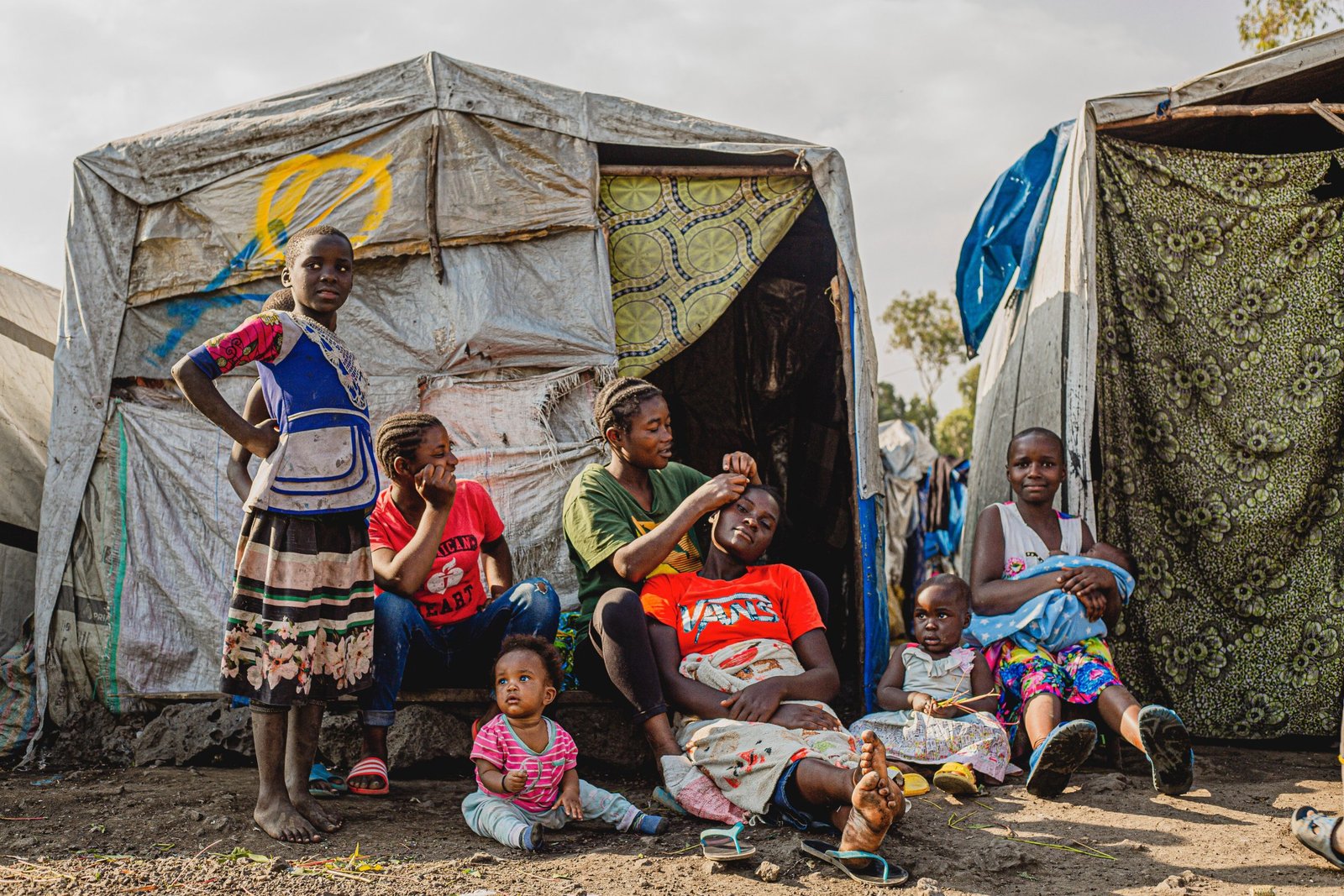
Most of the relocated refugees were moved to newly built lightweight temporary housing structures. These new surroundings require the displaced families to adapt quickly to unfamiliar living conditions. In Bavaria, the state typically covers the full cost of housing and basic needs for asylum seekers, though the use of hotels, guesthouses, or hostels is considered a temporary emergency solution and not intended for long-term use.
The Interior Ministry could not provide data on how many refugees are still housed in hotels across other Bavarian cities and municipalities but confirmed that no extensions of such contracts are being granted elsewhere either.