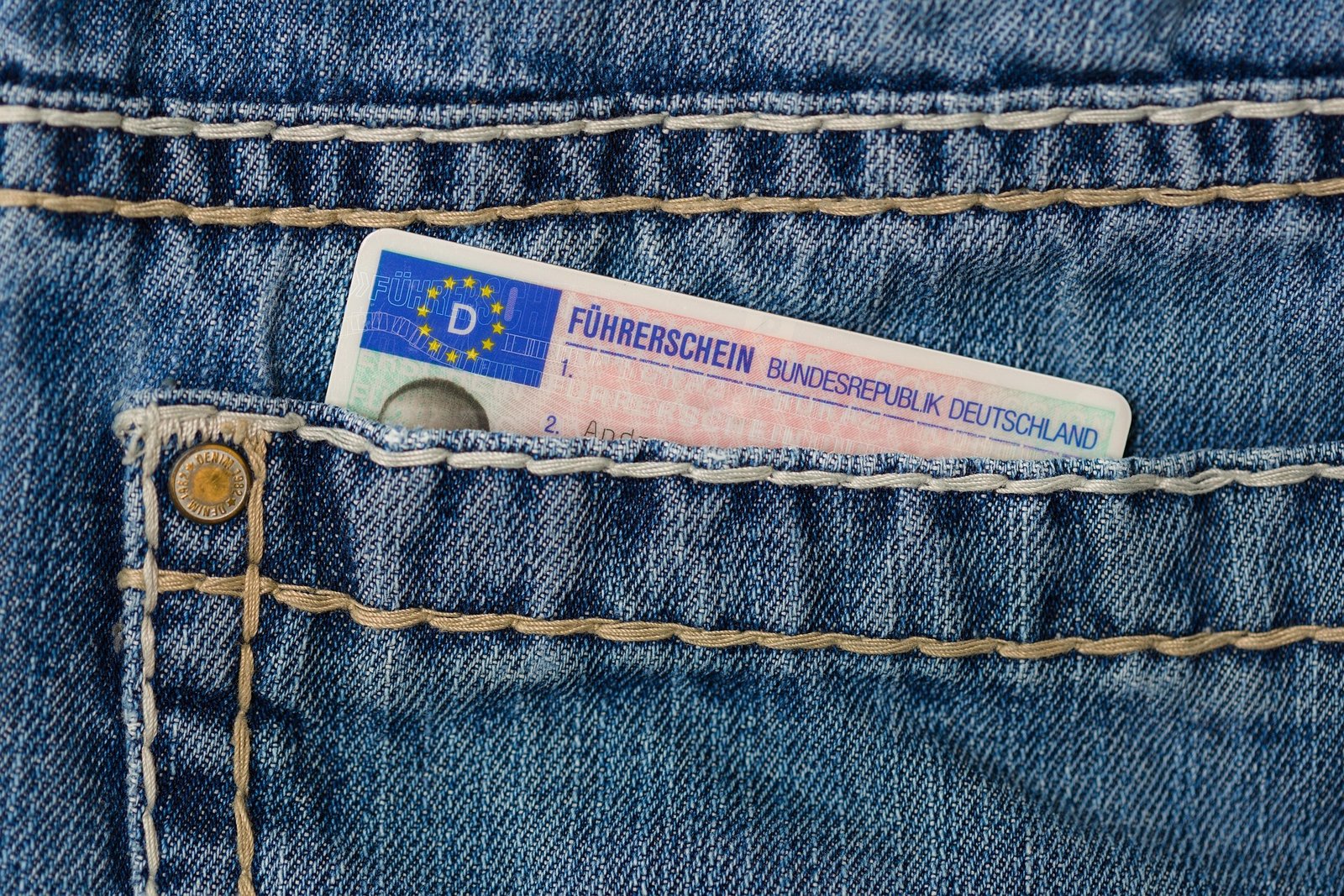

On Tuesday in Strasbourg, lawmakers approved the changes, which mean that driving bans for offenses like excessive speeding or drunk driving will now apply across the entire EU. However, mandatory health checks for older drivers have been definitively scrapped. Parliament members and representatives from the 27 EU countries had already agreed on this several months ago.
For example, if someone causes an accident while on holiday in Italy and receives a driving ban there, they will now be prohibited from driving anywhere in the EU. Until now, only the country that issued a license could revoke it completely.
There is no EU-wide points system like the one in Germany. However, in the future, authorities will exchange information on serious traffic offenses. This will be made easier by the introduction of a digital driver’s license, which from 2030 onwards, all drivers should be able to access via their smartphones. Those who prefer can still apply for a physical card.
Driver’s Licenses to be Valid for 15 Years
Under the reforms, anyone taking a driving test will need to provide either a medical examination or a self-declaration of their health status in all EU countries.
The license will then be valid for 15 years. For renewals, individual countries will be allowed, based on the EU rules, to require a medical examination, but they can also choose not to.
In earlier debates, a proposal from the EU Commission—which suggested requiring drivers over the age of 70 to provide proof of their health every five years—was on the table. Germany had consistently rejected this and, with support from countries like Belgium and Austria, ultimately prevailed.
With these changes, the EU is for the first time mandating a two-year probationary period for new drivers across all member states. Accompanied driving, like the model used in Germany, is also set to become the EU-wide standard. The Council of the EU member states must still formally approve the legal changes, but this is considered a formality.
Source: AFP