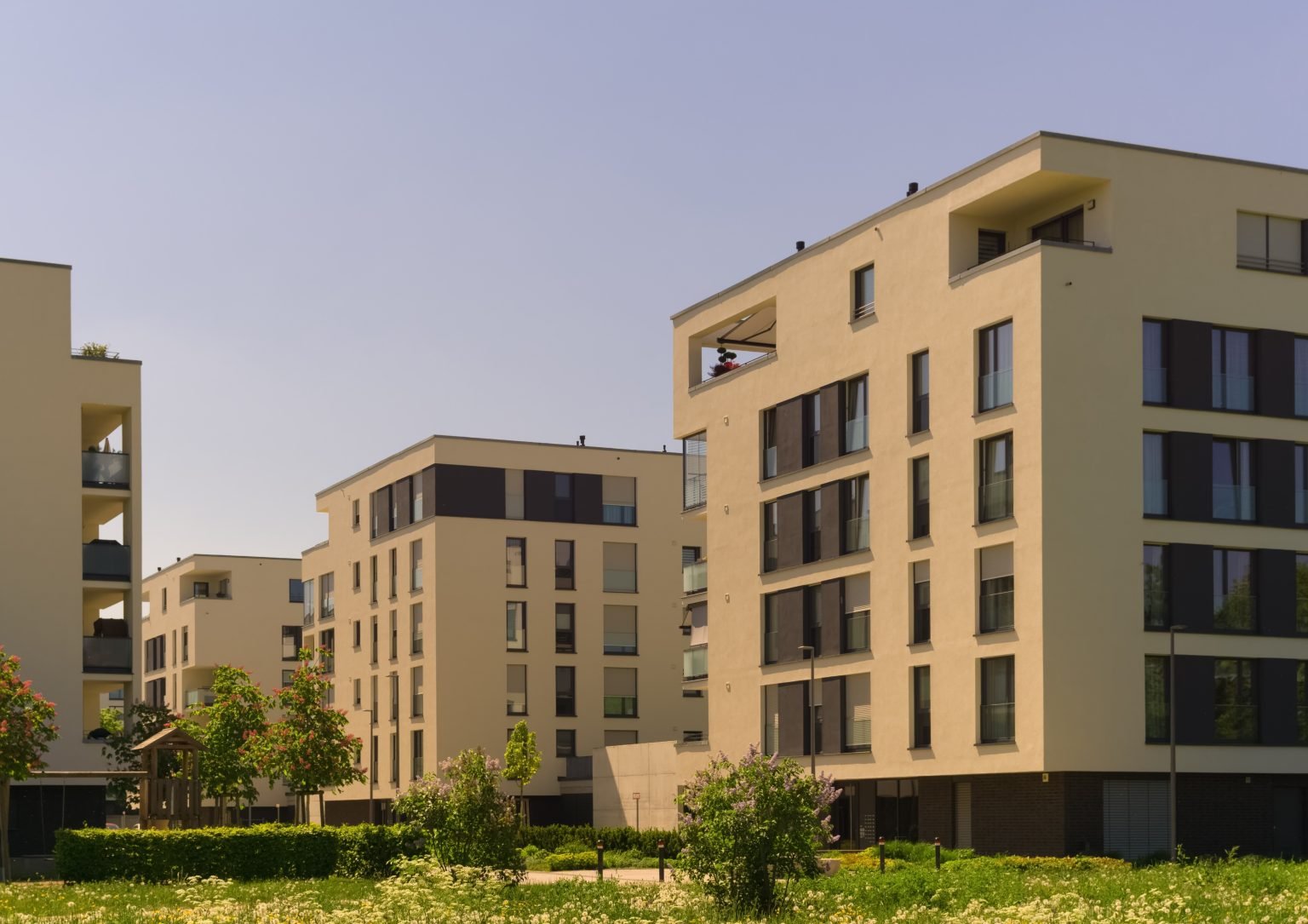

According to estimates by the Pestel Institute, there was a shortage of approximately 233,000 apartments in Bavaria at the end of 2024. For the period between 2025 and 2030, the institute projects a demand for up to 470,000 new housing units. Meeting this demand would require the construction of roughly 78,000 new apartments annually—a figure that has never been achieved in the past.
Young people, senior citizens, and people with disabilities are particularly affected by this trend due to limited incomes. Matthias Günther, the institute’s chief economist, noted: “Today, we must categorize young people entirely among the socially vulnerable groups.” Furthermore, elderly residents in major cities often find they can no longer afford their rented housing upon retirement and are forced to relocate.
Nationwide Deficit Reaches Nearly 1.5 Million Homes
The Association of Bavarian Housing Companies (VdW) expects the situation to deteriorate further. Due to challenging market conditions, only one-third of the more than 500 VdW member companies plan to build new housing in 2026—totaling a mere 3,350 units. The association primarily represents socially-oriented housing enterprises, mostly cooperatives and municipal companies.
Nationwide, the housing shortage reached a record high of 1.4 million missing apartments by the end of 2024, according to Pestel Institute data. In addition to Bavaria, the state of North Rhine-Westphalia is severely affected. The Pestel Institute anticipates only about 200,000 new apartments will be built annually in the near future, which is roughly half of the estimated annual requirement.
Source: Pestel Institute