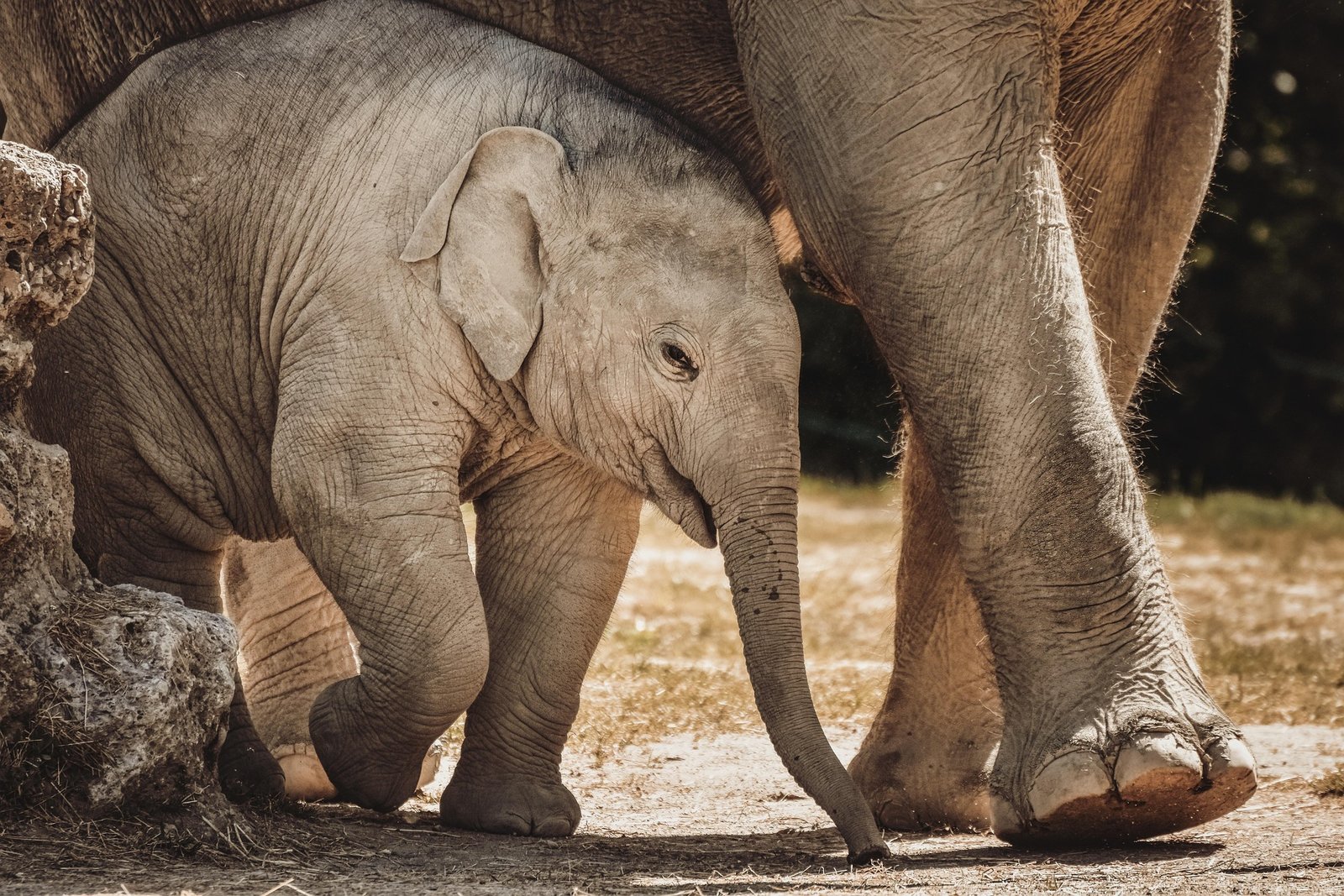

The four-and-a-half-year-old bull succumbed to the illness despite intensive emergency treatment efforts. The zoo and its staff are mourning the loss of one of their most beloved animals.
On Saturday morning, keepers noticed signs of weakness and discomfort in Otto. Comprehensive examinations soon confirmed the suspicion that the young elephant had contracted the elephant endotheliotropic herpesvirus (EEHV), a disease that is frequently fatal in juvenile elephants. Otto’s condition rapidly deteriorated, and despite around-the-clock care and multiple treatments, he died in the early hours of Monday.
Zoo Director Rasem Baban described the situation as a “race against time” that the zoo’s emergency team of veterinarians, caretakers, and laboratory partners ultimately lost. He said, “With Otto, we are losing a charismatic and very popular member of our elephant herd.” Baban added that both the elephant group and the zoo’s staff would need time to come to terms with the young bull’s early death.
Veterinarian Dr. Hanspeter Steinmetz explained that every possible measure had been taken in advance to prevent an infection. Otto had recently received a new vaccine from the Netherlands, a first step in EEHV prevention. “Young elephants like Otto do not yet have their own defenses against this type of herpesvirus and are therefore particularly vulnerable,” said Steinmetz. However, neither the preventive measures nor the emergency treatments were enough to save Otto.
Herpes infections in young elephants are often fatal, both in zoos and in the wild, Steinmetz added. In many cases, it is already too late for effective treatment once the first symptoms appear.
The elephant house and the entire zoo were left in shock by Otto’s sudden death. Born at Hellabrunn Zoo on November 11, 2020, Otto was the son of bull Gajendra and cow Temi. The zoo had been very pleased with his development, noting that he integrated well into the existing elephant group, which until recently also included Panang (who returned to Zurich in November 2023) and Mangala. The arrival of cow Rani (aged 15) and her daughter Savani (aged two) from Leipzig had also gone smoothly.
Verena Dietl of the SPD, Munich‘s Third Mayor and Chair of the Zoo’s Supervisory Board, expressed her deep sadness: “Despite his young age, Otto was already an exceptional elephant. He brought joy to countless visitors and was a wonderful ambassador for his endangered species.” She stressed that the zoo’s veterinarians and caretakers had done everything possible to save Otto’s life. “But as so often happens, nature had the final say – and we must accept that,” said Dietl.
The elephant herd was allowed to say farewell to Otto, as is customary for the species. Otto’s body has been transferred to the pathology department for further examination to determine the exact cause of death. According to the zoo, the other elephants at Hellabrunn are currently healthy and protected against the virus. The two-year-old Savani, for example, is still covered by maternal immunity through Temi’s milk.
The elephant house will reopen to visitors on Tuesday, June 17.
The zoo had informed the public about Otto’s critical condition several days earlier. On Saturday morning, Otto showed increasing signs of exhaustion and malaise. The veterinary team immediately implemented an emergency protocol. A blood sample analysis soon confirmed the devastating diagnosis: Otto was infected with the dangerous elephant herpesvirus EEHV1.
According to the zoo, the threat posed by this virus is equally severe in both captivity and the wild. Juvenile elephants aged between two and ten years are particularly at risk, as the maternal antibodies they acquire at birth gradually diminish over time.
At Hellabrunn Zoo, elephants undergo regular medical training to make procedures like vaccinations, blood draws, and swabs routine. This allowed the veterinary team to detect Otto’s infection early. The arrival of the elephants from Leipzig prompted comprehensive herpes status checks on all animals. Otto was the only one lacking his own antibodies, which is why he had recently been vaccinated with a new experimental vaccine.
In preparation for emergencies, plasma had also been regularly collected from Otto’s father, Gajendra, over recent weeks to allow for immediate transfusions if needed. “This plasma was a vital option during the acute phase of Otto’s illness,” Baban said.
During his illness, Otto received 24-hour care in the closed elephant house. He was treated with plasma transfusions, painkillers, and antiviral medications. Despite all these efforts, the battle against the virus could not be won. The zoo kept the public informed about Otto’s condition through its website and social media channels.