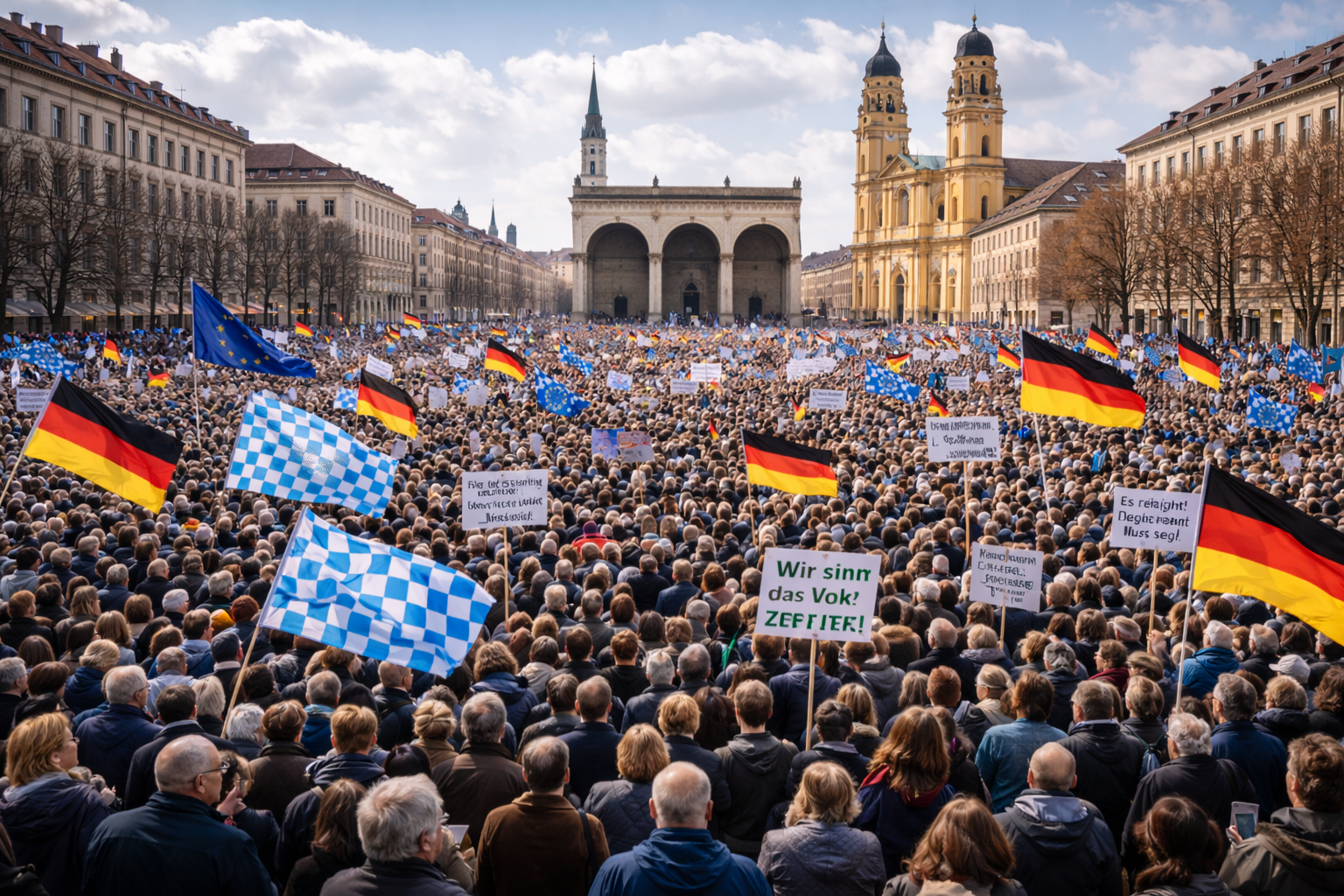

Approximately 40 heads of state and government, dozens of security and military personnel, thousands of demonstrators, and numerous journalists gathered in a concentrated area. The Munich Security Conference (MSC), held this year from February 13 to 15, had a noticeable impact on daily city life. Residents experienced these disruptions while navigating the center by foot, bicycle, public transport, or car. The primary difficulties were centered around the event venue, the Hotel Bayerischer Hof.
Security Cordon Zone for the 2026 Conference
The most severe restrictions affected the closed security zone surrounding the forum venue. Access to this space was restricted exclusively to individuals with special permits. This measure impacted vehicle traffic as well as bus and tram schedules. Additionally, police implemented no-parking zones. These areas had to be cleared starting from Thursday, February 12, as per official orders.
Since certain parts of the security zone remained accessible to local residents and customers of open shops, police conducted bag searches and document checks. Individuals affected by these measures were required to carry an identity card for verification.
Impact of the Munich Security Conference on Public Transport
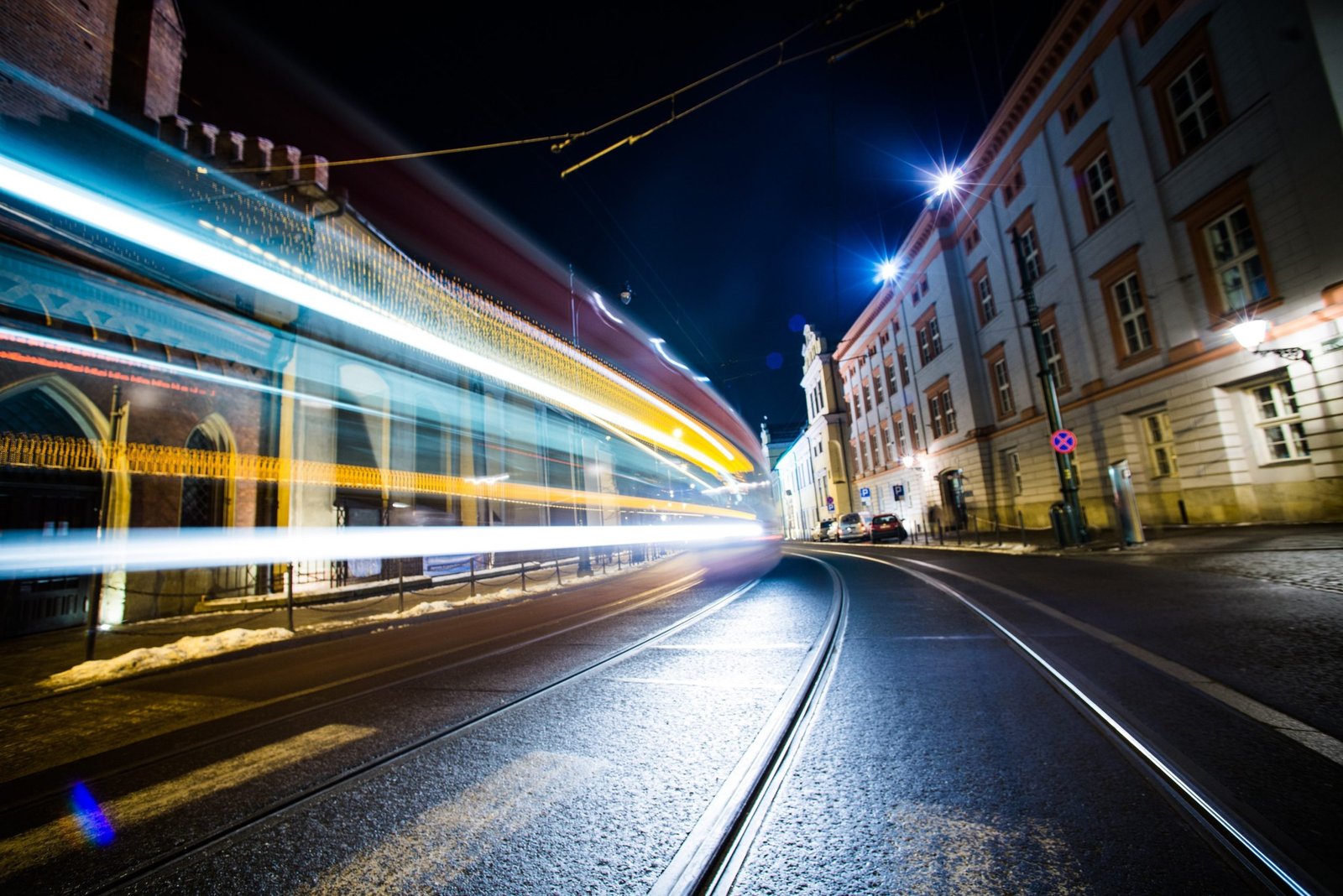
- Trams 19 and N19: These routes were redirected from Friday morning until Sunday evening. The Munich Transport Company (MVG) informed that instead of passing through the security zone, trams ran between the Hauptbahnhof Süd and Maxmonument stops via Sendlinger Tor and Isartor. Consequently, the stations Hauptbahnhof (Bahnhofplatz), Lenbachplatz, Marienplatz (Theatinerstraße), Nationaltheater, and Kammerspiele were temporarily out of service. At Stachus, trams stopped at Platform 1 (toward Pasing Bf.) and Platform 2 (toward Berg am Laim Bf. / St.-Veit-Straße).
- Tram 21: This route was also diverted around the security zone. Between Hauptbahnhof Nord and Max-Weber-Platz, traffic was organized via Stachus, Sendlinger Tor, Isartor, and Am Gasteig. The stations Lenbachplatz, Marienplatz (Theatinerstraße), Nationaltheater, Kammerspiele, Maxmonument, and the Maximilianeum (Bavarian State Parliament) were temporarily excluded from the route.
- Buses: Services within the security zone were cancelled from 4:00 AM on Friday, February 13, until approximately 4:30 PM on Sunday, February 15. According to MVG, this affected the section between Maxmonument, Marienplatz (Theatinerstraße), and Karlsplatz (Stachus). No replacement stops or compensation routes were provided. Passengers were advised to use the S-Bahn main line or the U4 and U5 subway lines.
Information for Motorists During the Conference
No-Parking Zones: Parking was prohibited on streets within the security perimeter. Munich police announced that vehicle towing would begin on Thursday. In some locations, bans came into effect early and lasted through Sunday. Measures fully or partially affected Salvatorplatz, Promenadeplatz, Prannerstraße, Kardinal-Faulhaber-Straße, Parcellistraße, Maximiliansplatz, Max-Joseph-Straße, Ottostraße, and Arnulfstraße.
Road Closures: Restrictions applied to all streets inside the security perimeter. Munich media, citing police data, also reported that blockages occurred not only in the center but also on routes to the airport, affecting the A9 and A92 autobahns.
Traffic Jams: Drivers were strongly advised to bypass the indicated areas and avoid using private vehicles, as the redistribution of traffic flows caused serious congestion in Munich and its surroundings.
No-Fly Zone During the 2026 Conference
The event also impacted air traffic. Police announced a no-fly zone with a radius of 5.5 kilometers around Sendlinger Tor. It was active from 7:00 AM on Thursday, February 12, until 7:00 PM on Sunday, February 15, covering almost half of the city. Munich Police Vice President Christian Huber, responsible for security during the conference, warned: “Individuals using flight objects in this zone, such as drones, have committed an offense and will be held accountable.”
Approximately 5,000 police officers were deployed to maintain order. As Huber clarified during a press conference, Munich colleagues were supported by forces from across Germany and neighboring countries, including the Czech Republic. Regarding the global political situation, the Vice President noted an “increased abstract threat,” but added there was no data regarding specific dangers.Source: Bayerischer Rundfunk