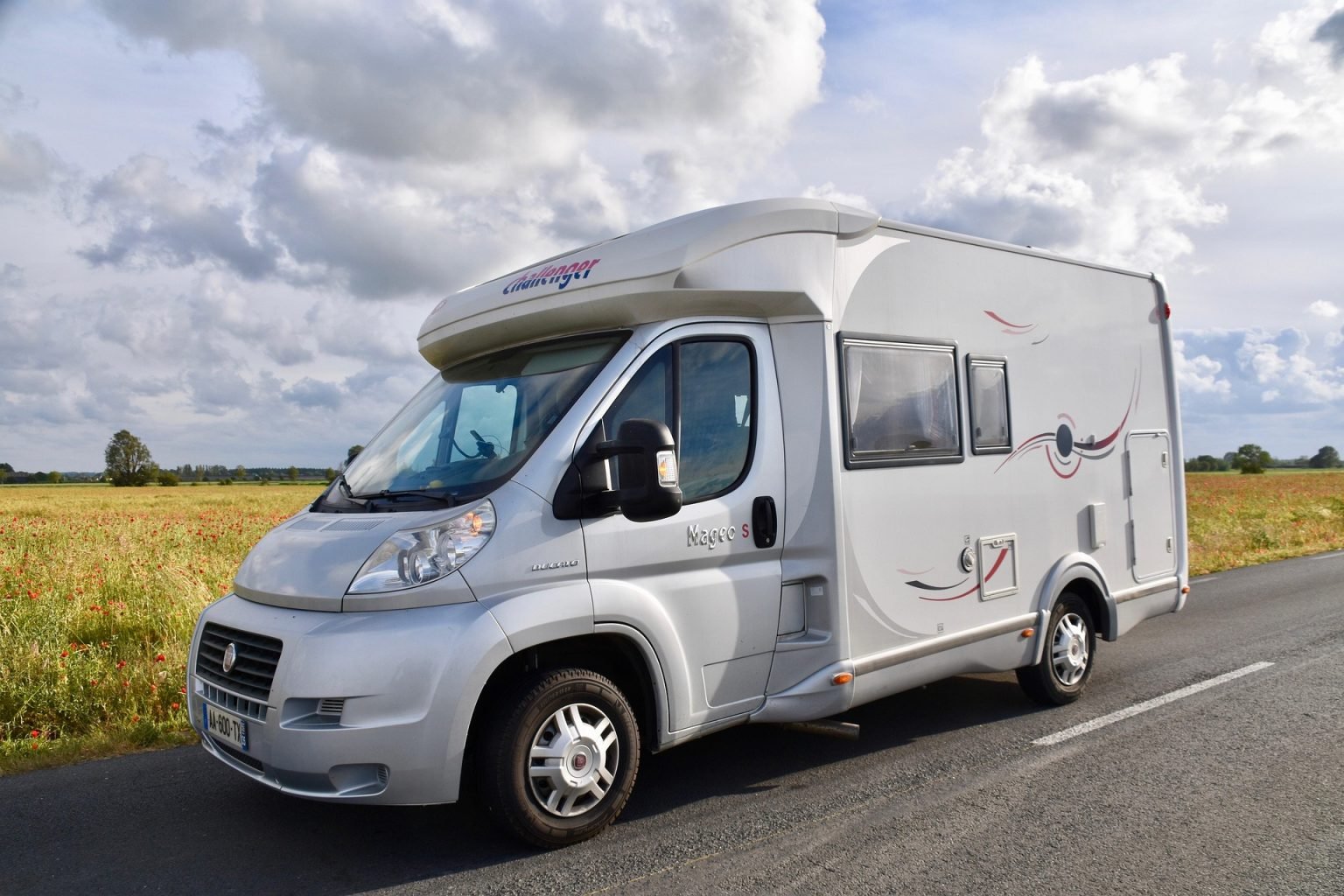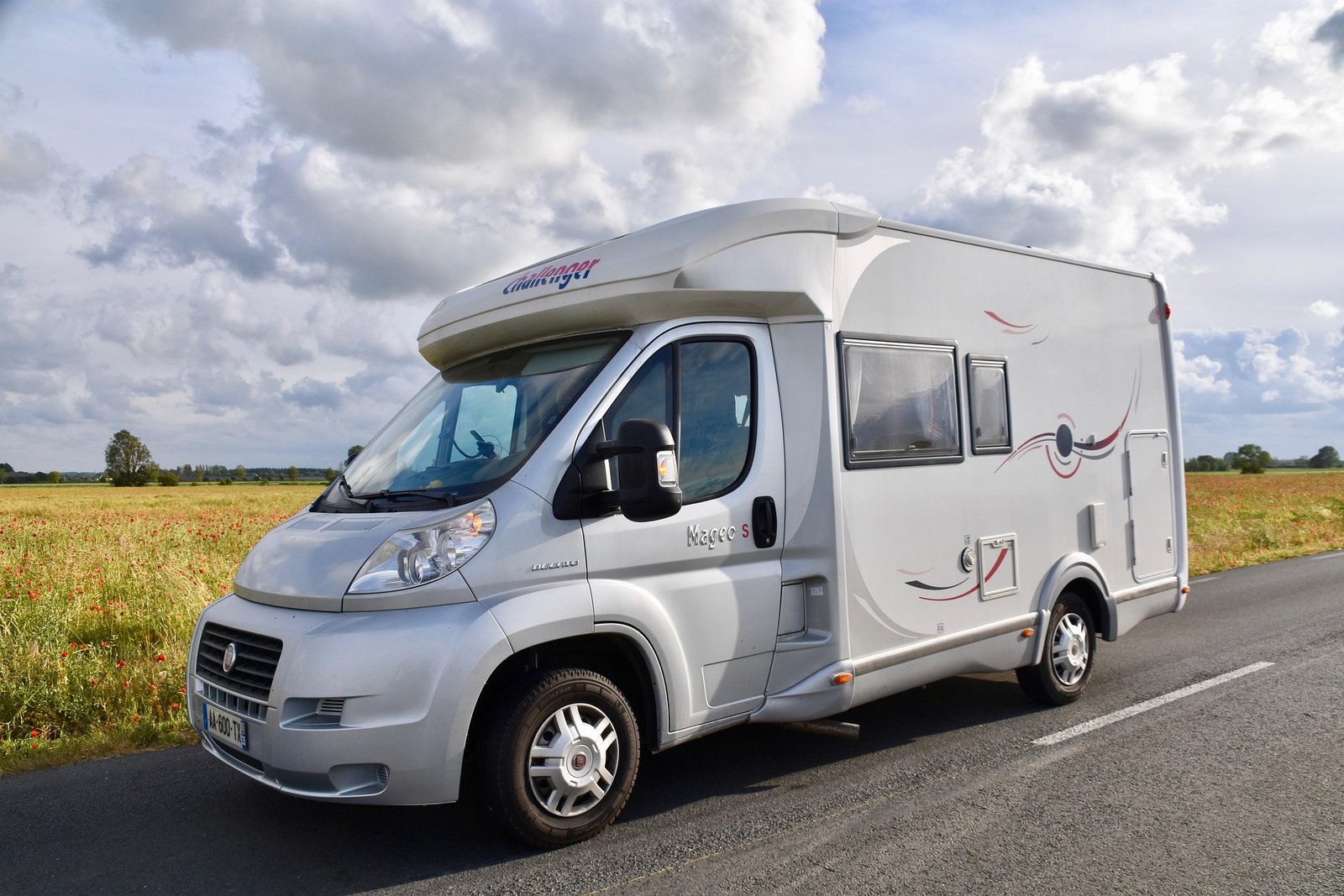

The draft of a new municipal ordinance envisages a comprehensive ban across the entire municipal territory, as reported by the magazine Auto, Motor, Sport. The ban affects not only public parking lots and roadside areas but also private land—unless explicit permission has been granted. Sensitive natural zones are also explicitly included.
A particular aspect concerns the white parking areas common in Italy, which until now could be used free of charge or without time restrictions. Sleeping in vehicles will no longer be permitted there either.
Anyone who spends the night in a vehicle despite the ban is committing an administrative offense, according to the municipality. Those affected must vacate the spot within 30 minutes – otherwise, towing is threatened. There is no official information yet on the amount of the fines.
According to the municipality, the reasons for the decision are not only traffic problems but also litter, illegal campfires, and unhygienic conditions. “There are those who relieve themselves outdoors, who do not dispose of their trash properly, and who wash in the river. The situation is objectively critical,” explained municipal councilor Ernest Cuccarollo to the newspaper Alto Adige.
The situation reportedly intensified further during the summer. Several dozen violations of the existing camping ban were recorded, sometimes even involving tents in sensitive zones of the nature park.
There are currently no official campsites in Wolkenstein. According to media reports, however, the municipality is examining the possibility of creating designated parking areas in the future to offer campers a legal overnight option. The responsible municipal commission has already approved the new regulation. The municipal council must now give its final approval before the ban can come into force.
With this step, Wolkenstein in Val Gardena is sending a clear signal: wild camping is to have no place in the valley in the future – to protect nature, infrastructure, and residents.