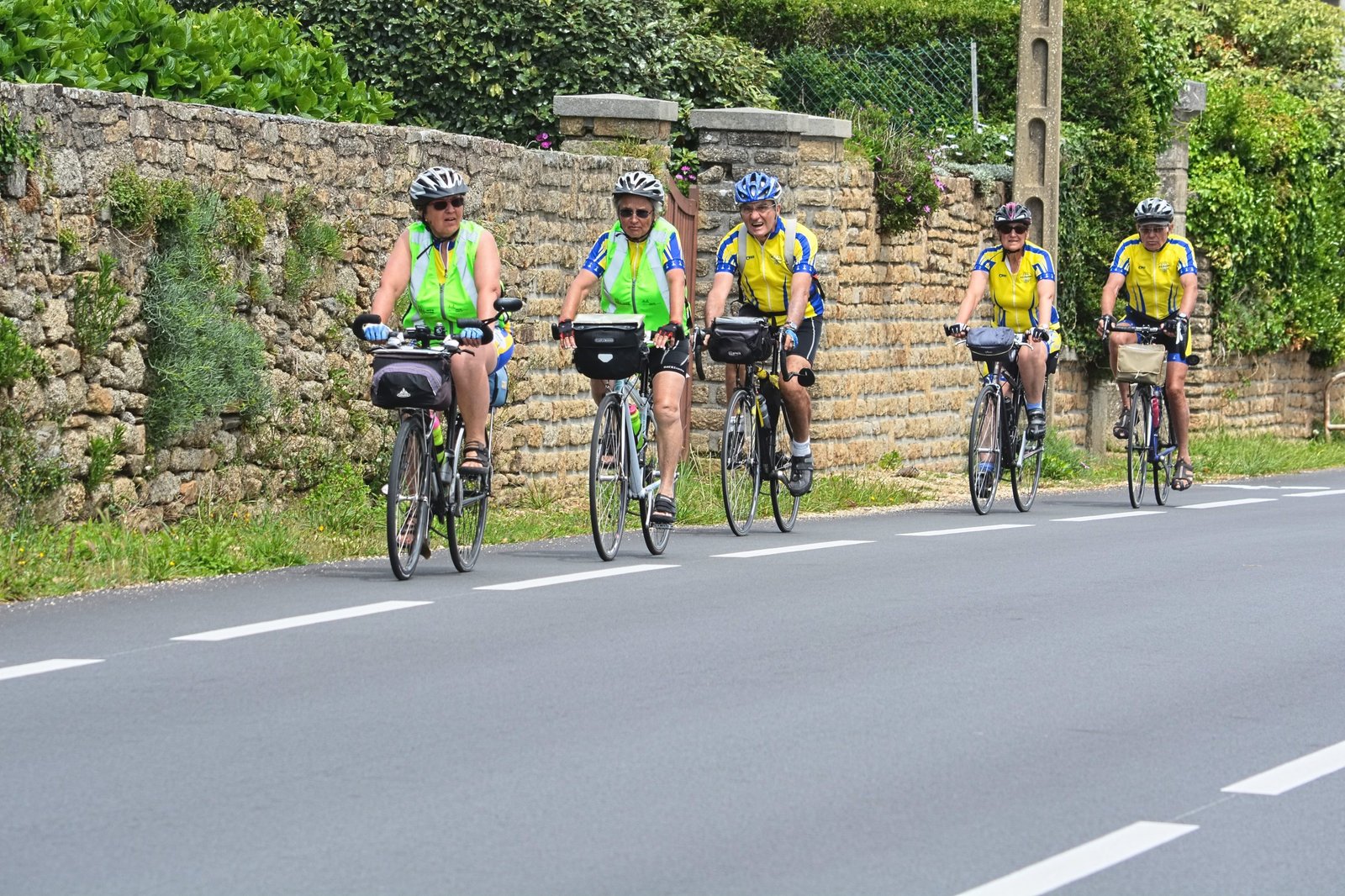

The German Cycling Club (ADFC) has published the results of a large-scale study that determined the country’s most popular long-distance cycling routes based on the results of the past season. Two routes laid out through the territory of the historical region of Franconia were among the best in the state. Experts call this fact a logical confirmation of the high quality of the regional infrastructure and the overall attractiveness of the Bavarian landscapes for connoisseurs of organized tourism.
The opportunity to feel the headwind, independently overcome significant distances, and view natural landscapes in detail at close range remains a key element of a high-quality vacation for many citizens. According to current statistical data, the total number of trips showed a slight decrease compared to the same indicators of the previous reporting period. Nevertheless, current systematic analysis of bicycle tourism shows that millions of residents continue to view this mode of transport as a priority way to spend their leisure time.
In 2025, about 39 million 300 thousand German citizens used a bicycle during short-term recreation or on weekends, and more than 3 million people made long-term themed trips lasting several days. At the same time, well-equipped long-distance cycling routes that cross the entire territory of the country and have a developed roadside infrastructure are in the greatest long-term demand. In the 2026 bicycle tourism study dedicated to the analysis of the most popular destinations, there are two routes laid out through the territory of Franconia. The profile association conducted a survey among more than 17 thousand 300 respondents to identify current preferences and, for the 27th time, formed the final list of national leaders.
List of the 10 Most Popular Long-Distance Cycling Routes in Germany According to the ADFC
- Elbe Cycling Route (Elberadweg)
- Weser Cycling Route (Weser-Radweg)
- Baltic Sea Coast Cycling Route (Ostseeküsten-Radweg)
- Rhine Cycling Route (Rheinradweg)
- Cycling Route from Bodensee to Königssee (Bodensee-Königssee-Radweg)
- Main Cycling Route (Main-Radweg)
- Danube Cycling Route (Donau-Radweg)
- Moselle Cycling Route (Mosel-Radweg)
- Ems Cycling Route (Ems-Radweg)
- Five Rivers Cycling Route (Fünf-Flüsse-Radweg)
While the top positions in the ranking are traditionally occupied by well-known and long destinations along the bed of the Elbe or the Rhine, the routes along the Main and the five rivers secured two places in the top ten for Franconia at once. This high result deserves separate infrastructural and cultural consideration by tourism industry specialists.
The Main Cycling Route Takes Sixth Place
This route is one of the classic long-distance paths in Germany and completely crosses the central part of Franconia. For approximately 600 kilometers, it follows the bed of the Main River from its official sources to the place of its direct confluence with the Rhine. The track is designed in such a way as to ensure maximum traffic safety and minimize intersections with busy highways.
It is the Franconian section of the path that makes this distance most attractive to travelers with high demands for a cultural program. Between Bayreuth, Bamberg, and Würzburg, picturesque vineyards and traditional beer cellars alternate against the backdrop of ancient city quarters listed as world heritage sites. According to official information from the specialized info-resource mainradweg.com, the high demand for this destination is explained by a harmonious combination of natural views, unique architectural monuments, and local cuisine. The track is equipped with clear signs and is convenient for movement, which makes it optimal for novice cyclists, as well as for those who prefer to make regular stops for excursions rather than striving for a fast athletic completion of the distance.
The Five Rivers Circular Route Takes Tenth Place
The Five Rivers route took the tenth line in the final ADFC ranking and represents a calm but high-quality alternative to other oversaturated tourist destinations. This closed circular track, about 300 kilometers long, connects the banks of five different bodies of water: the Pegnitz, Vils, Naab, Danube, and Altmühl. The logistics of the route allow participants to get a versatile idea of the hydrography and geography of the region.
According to the regional tourism portal erlebe.bayern, this destination is distinguished by a frequent change of landscapes and, at the same time, is characterized by flat terrain with minimal elevation changes, which is optimal for family trips and multi-day journeys at a comfortable pace. The start and finish points can be chosen arbitrarily depending on individual preferences, while many participants prefer to start moving in Nuremberg due to the high transport accessibility of the central station of this metropolis. Located on the route are well-known natural sites such as the Altmühltal valley with the “12 Apostles” rock formations near Solnhofen, as well as the medieval settlements of Amberg and Kallmünz. For a significant length, the track passes directly at the water’s edge, which, as noted on the specialized website, forms the basis of the aesthetic appeal of this route.
In conclusion, it must be emphasized that the presence of two Franconian tracks in the top 10 of the German ranking at once testifies to the success of the region’s long-term strategy for the development of ecological tourism. In conditions where the modern consumer demonstrates a critical approach to choosing holiday destinations and values a combination of safety, comfort, and cultural value, Franconia is able to offer a competitive product. High standards of road surface maintenance, well-thought-out navigation, and careful preservation of the historical landscape allow the region to remain an important center of attraction for domestic and international audiences.
Похожие записи
The Munich Municipality Opened New Mountain Bike Trails in the Laim District
The Munich Mobility Department Organizes a Series of Events to Support Bicycle Movement in the Schwabing-West District
Reckless cyclists and scooters and bicycles dumped haphazardly at every turn. But what are Bavarian authorities doing for pedestrians?