
The reason for this noticeable gap lies not only in market conditions but also in the structure of German fuel pricing: taxes and levies account for more than half the price of a litre of petrol in Germany, whereas in neighbouring countries the tax burden on consumers is often lower. But even this way of saving money has clear legal limits, which not everyone is aware of.
How worthwhile is refuelling in neighbouring countries
A trip to a neighbouring country for cheaper fuel does not always pay off. It makes sense above all for those who live near the border – the greater the distance, the smaller the driver’s ultimate savings.
For example, for a 100-kilometre trip with an average consumption of eight litres per hundred kilometres, the cost of the journey itself comes to around 16 euros. In that case, the savings are close to zero. It is no coincidence that the ADAC directly advises against making a detour or driving long distances purely to refuel – on short routes near the border, the savings are worthwhile, but a trip across half the country almost never is.
An additional risk is exceeding the permitted volume of fuel being transported. Those caught doing so will have to pay German taxes plus a fine for the attempted workaround. German customs has already stepped up checks specifically in the border regions of Brandenburg, Saxony and Bavaria – where the flow of fuel tourists is particularly heavy.
At the same time, regular trips abroad to fill up the tank are not prohibited. Fuel in a vehicle’s standard tank may be carried across the border within the EU without paying duty – regardless of whether the driver filled up immediately after the border crossing or not.
How much fuel is allowed to be transported in canisters
The temptation to stock up on petrol or diesel at the same time is strong: with a difference of 30 cents, a 20-litre canister saves around six euros. Residents of Germany’s eastern and south-eastern border regions have long recognised and made use of this method.
However, it is not possible to simply take along several canisters at once – strict limits apply:
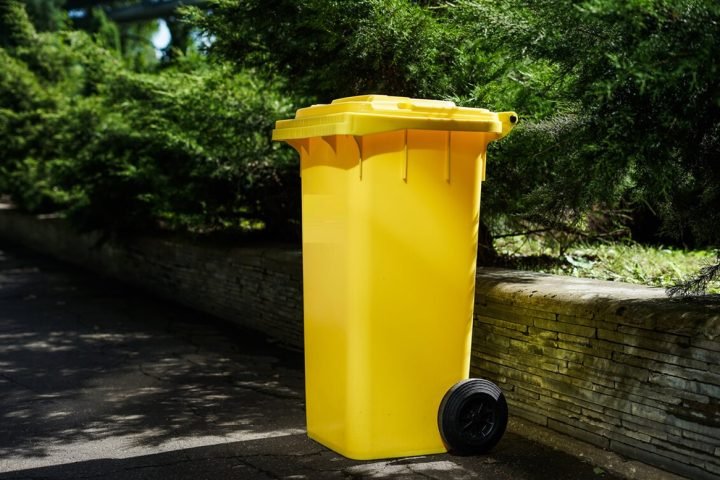
- from EU countries, no more than 20 litres is allowed in a single reserve canister;
- from countries outside the EU, no more than 10 litres;
- exact rules may vary depending on the specific country.
German customs authorities have recently been carrying out spot checks more frequently. In light of this, the ADAC automobile club recommends, for safety reasons, sticking to ten litres in canisters even if the formal limit is higher.
Canisters can release hazardous vapours capable of igniting quickly. For this reason, canisters themselves must carry UN markings or RKK certification (Reservekraftstoff-Kennzeichnung) – the corresponding marking is applied to the body of the canister.
Can petrol be stored at home
The idea of building up a home fuel supply has been growing more popular lately. But strict restrictions apply here too.
In Bavaria, it is permitted to store up to 200 litres of diesel fuel in a garage, but only 20 litres of petrol – petrol vapours are far more flammable. The canisters must be tightly sealed and protected from damage.
In a basement, no more than 20 litres may be stored – and this rule applies regardless of the number of residents. If several tenants share a single basement in an apartment building, the 20-litre limit applies to all of them together, not to each individually.
Within the flat itself, only one litre of fuel is permitted, and even then only in the form of white spirit or lighter fluid.
A special case – Austria
Owners of older cars planning to refuel in Austria should check in advance which petrol stations still sell E5-grade petrol – few such stations remain in the country, as it gradually shifts over to E10.
Fuel tourism remains a legal way to save money, but only if the established limits on transporting and storing fuel are observed. Before travelling abroad, it is sensible to check in advance the current customs regulations of the specific country – they can differ even within the European Union, and the price difference alone is no guarantee of savings: the journey, the time and the risk of inspection can reduce the savings to zero.