
Both men were reportedly poorly equipped and had disregarded official warnings. According to ORF, they will now have to bear the costs of the mission themselves.
As reported by the Tyrolean police, a group of five climbers set off on Pentecost Sunday at around 11 a.m. from Eibsee. Ignoring an existing trail closure, they chose to ascend via the Bayernsteig and the “Stopselzieher” via ferrata route up to the Zugspitze. Once at the summit, the group split up, and three of the men returned safely.
The remaining two climbers—a 34-year-old man from Rhineland-Palatinate and a 39-year-old from Baden-Württemberg—continued their tour independently. In doing so, they became separated from each other and ultimately lost their way.
Both hikers in distress at different locations
By evening, the 34-year-old man was unable to proceed in difficult terrain. Without a mobile phone, he tried to attract attention by shouting loudly. About an hour later, two passing hikers happened to hear his calls and alerted the mountain rescue service. At the same time, the 39-year-old climber, who had also gotten into trouble, managed to contact the rescuers via WhatsApp.
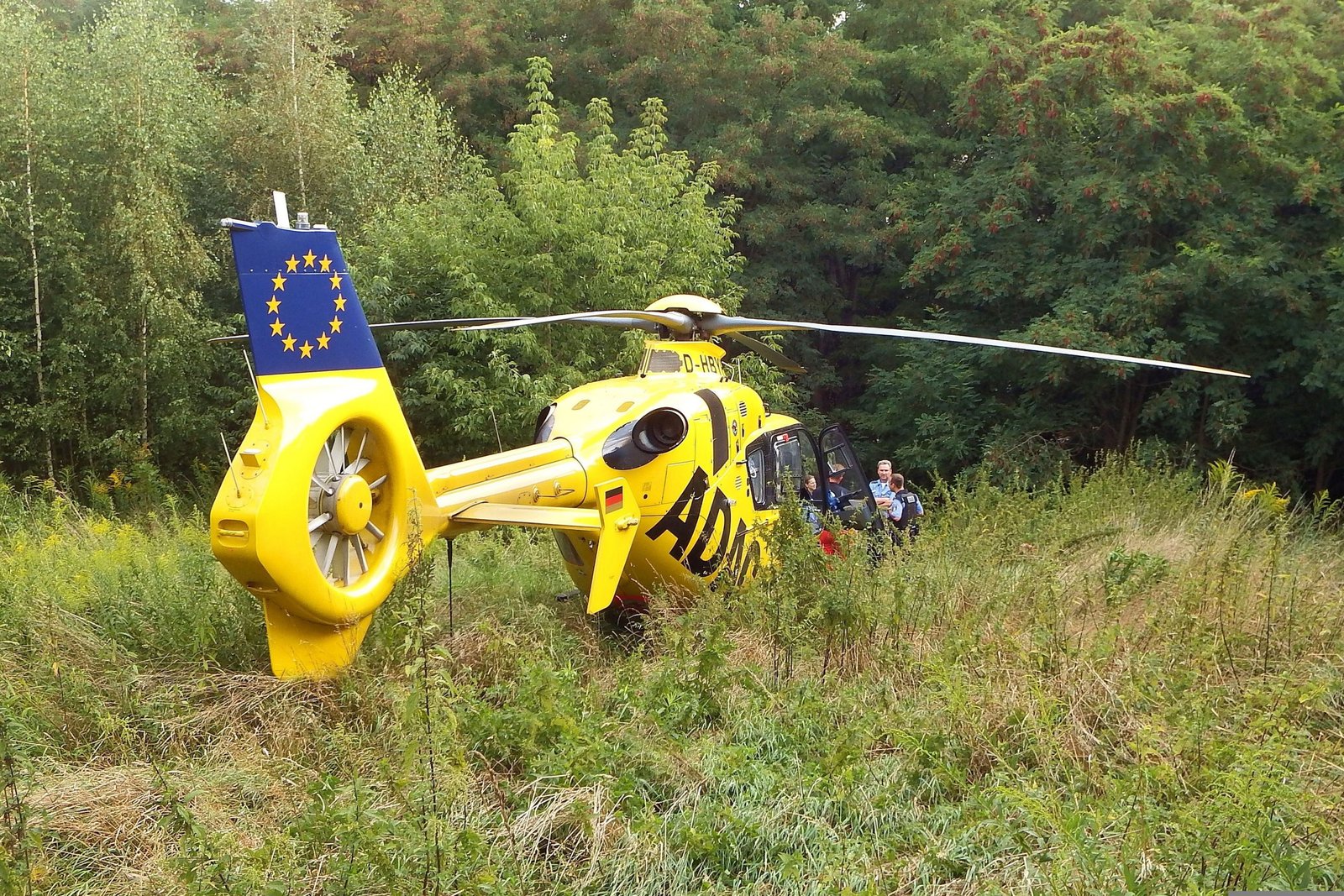
The 39-year-old was rescued by helicopter and flown to a hospital, suffering from severe hypothermia and wet clothing. At first, rescuers believed that he was also the individual who had been calling for help, and the mission appeared to be concluded.
Second climber rescued after hours-long night operation
However, shortly afterwards, the remaining three members of the group realized that the 34-year-old was still missing. The mountain rescue service immediately resumed their search. Around 3 a.m., the rescuers were able to locate the sound of his calls in the area of the closed Bayernsteig trail. The man was found stranded above a steep rock face.
As a helicopter rescue was impossible at night, the team spent several hours climbing roughly 60 vertical meters to the site using bolts and ropes. At dawn, they reached the man, who was severely hypothermic but otherwise uninjured.
Police criticize inadequate equipment and preparation
According to the Tyrolean police, both men were not properly equipped for such a demanding climb. As a result, they are expected to cover the considerable cost of the rescue operation, as reported by ORF. Approximately 20 rescuers took part in the mission, including the mountain rescue teams of Ehrwald and Lermoos, the Ehrwald fire department, the Grainau mountain watch, and an emergency medical helicopter crew.
Who pays for a mountain rescue?
When hikers or climbers in the Bavarian Alps require rescue due to injury, exhaustion, or disorientation, the costs may be covered either by statutory health insurance or by the individuals themselves, depending on the case.
Mountain rescue services distinguish between true emergencies—such as medical incidents—whose costs are usually covered by health insurance (though pure recovery costs may not be fully reimbursed), and so-called “special operations” like rescues of lost or exhausted hikers. In such cases, the rescued individual typically bears the expense.
Privately insured persons may be covered to varying degrees depending on their policy. Those rescued without injury are usually required to pay unless they have additional insurance (such as private accident insurance) that includes search, recovery, and rescue costs up to a specified limit. In cases of gross negligence—such as insufficient equipment or ignoring weather warnings—insurers may reduce or refuse coverage.
For trips abroad, travelers are advised to obtain foreign health insurance that includes search and rescue coverage, since statutory German health insurance does not always reimburse all costs, such as repatriation to Germany.