
The proposal outlines significant investments while also involving substantial new debt—a balancing act between economic opportunity and fiscal risk.
Key Figures of the Budget
The draft budget spans 3,431 pages and details both projected revenues and expenditures. Tax revenues are estimated at €387 billion, while spending in the regular budget amounts to €503 billion. An additional €100 billion is expected to come from special funds designated for defense and infrastructure.
Why the Budget Was Presented in July
Budget debates in July are uncommon and reflect internal friction within the federal coalition government. Disputes over fiscal policy, especially between the Social Democrats and the Greens on one side and former Finance Minister Christian Lindner of the Free Democratic Party on the other, delayed progress. While the SPD and the Greens advocated for loosening the constitutional debt brake, Lindner resisted any relaxation of borrowing limits.
In the absence of an approved budget, Germany has been operating under a provisional financial framework since January. This allows for the continuation of legally mandated expenses and ongoing projects, but it freezes all new initiatives. The current budget week therefore brings much-needed clarity not only to ministries but also to businesses awaiting public contracts.
Klingbeil’s Focus on Investment
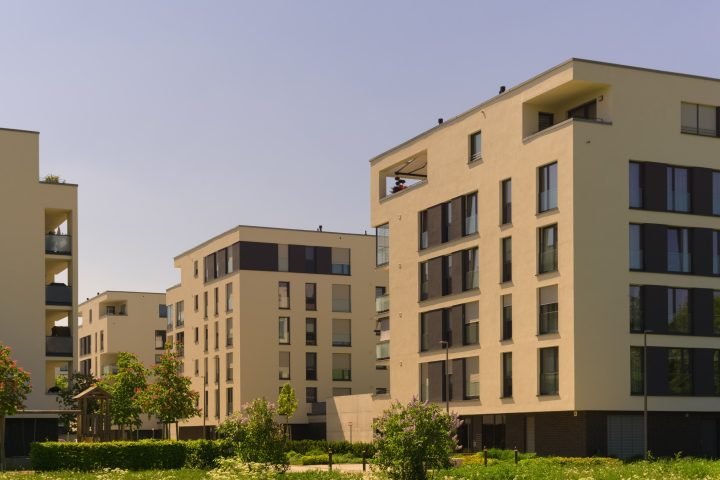
Under the guiding principles of “Invest, Reform, Consolidate,” Klingbeil structured his draft to prioritize investment. Approximately €115 billion is earmarked for expanding transportation infrastructure, advancing digitalization, and accelerating residential construction. These measures aim to close the modernization gap in Germany and provide a stimulus to its stagnating economy.
National and international security expenditures are also set to increase significantly. Including funds from the special defense budget, military spending will rise from €72 billion to €86 billion. An additional €9 billion is allocated to military and humanitarian support for Ukraine.
Despite these high-profile investment areas, the largest single budget item remains the Ministry of Labour and Social Affairs. This ministry accounts for around €190 billion, over one-third of the total federal budget. Of that, €120 billion will go toward federal contributions to the pension system, while nearly €52 billion is set aside for Germany’s citizen benefit scheme.
Debt Situation Involves Opportunities and Risks
While exceptions to the debt brake have provided Klingbeil with more fiscal flexibility than his predecessors, they come at a cost. Net borrowing in the core budget is expected to rise from €33 billion to nearly €82 billion. An additional €61 billion will be borrowed through special funds for the military and infrastructure.
Although Germany’s debt-to-GDP ratio, currently at 63 percent, remains moderate by international standards, economic experts have warned of long-term instability. While the German constitution permits these exceptional borrowing mechanisms, they are expected to significantly increase the national debt over time. This trend is already visible in the form of rising interest costs, which could double annually by 2029 according to financial forecasts.
Consolidation Promised but Cuts Remain Elusive
Despite the stated goal of budget consolidation, Klingbeil’s draft does not propose any cuts beyond those already planned for the previous year. Instead, the Finance Minister has assumed a mediator role, rejecting additional spending requests from his cabinet colleagues. Looking ahead, the coalition has announced plans to reduce federal personnel expenditures, a commitment also outlined in its coalition agreement with the Christian Democratic Union.
Next Steps in the Budget Process
Following this week’s parliamentary debate, the proposed budget will undergo detailed scrutiny by the Bundestag‘s Budget Committee. The Bundesrat will also be involved in the review process. The federal government aims to finalize and adopt the 2025 budget by the end of September.
However, the work does not end there. Preparations for the 2026 federal budget have already begun, illustrating the continuous nature of fiscal negotiations, shifting priorities, and political decision-making in Berlin.