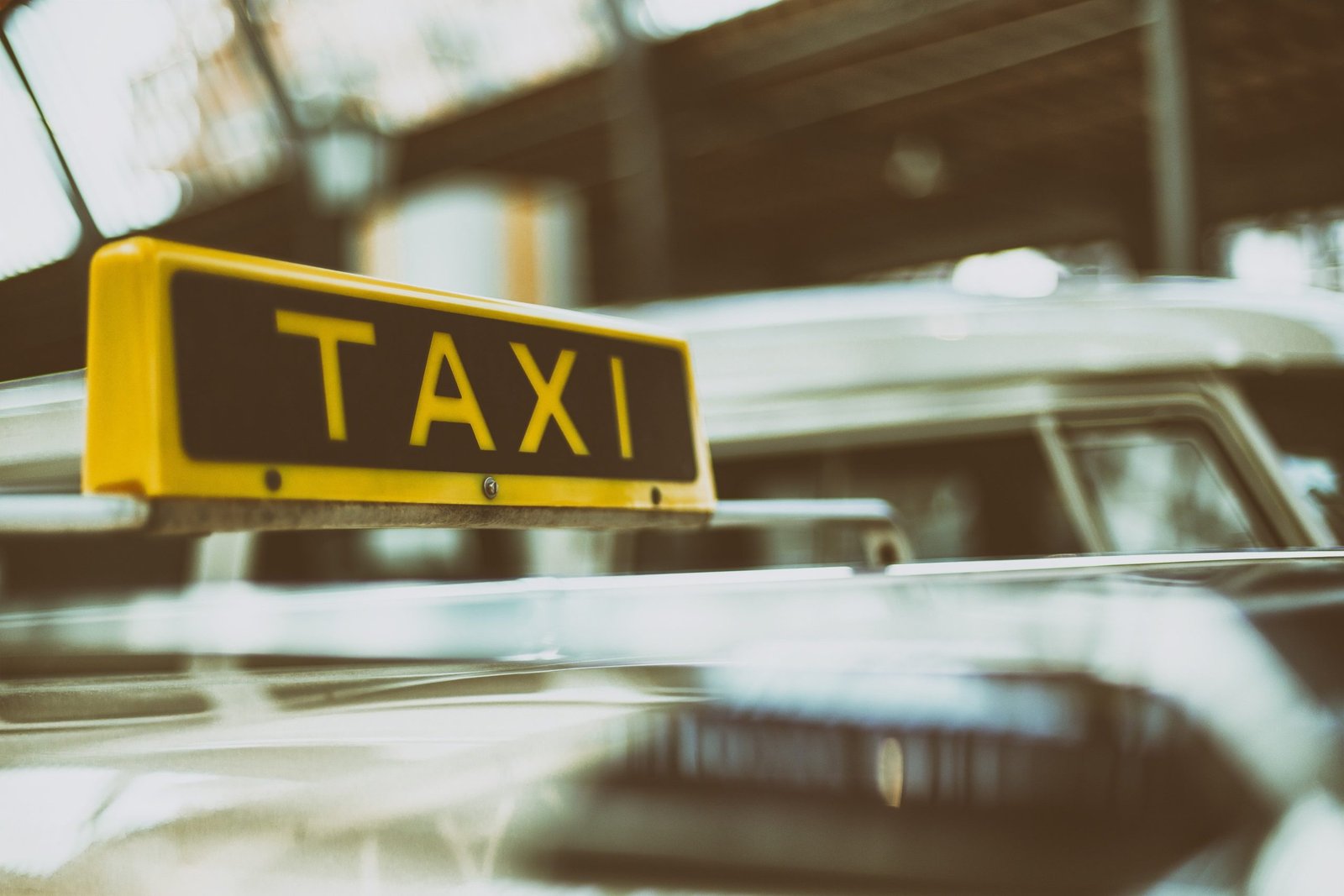

Uber Technologies and the Chinese company Momenta plan to test Level 4 autonomous vehicles in Munich starting in 2026. According to both companies, the Bavarian capital will serve as the starting point for their rollout in Europe. In the long term, the technology is expected to be integrated into the Uber app, allowing passengers to book robotaxis directly in the future.
In a video released by Momenta, the system reacts to typical traffic situations in Munich: vehicles that cut in suddenly, parked trucks, or cyclists crossing the street. In all of these scenarios, the vehicle automatically slows down or comes to a stop.
The companies emphasized that Munich is the ideal location to begin the project, thanks to its automotive industry, strong engineering environment, and openness to new technologies. As early as May 2025, Uber and Momenta signed a strategic agreement to provide autonomous driving outside the United States and China through the Uber platform. With the planned tests in Munich, both partners now want to lay the foundation for a Europe-wide deployment.
Momenta CEO Xudong Cao said: “The test in Munich enables us to show how our AI-based robotaxi technology can change urban mobility.” Uber CEO Dara Khosrowshahi added that Germany has shaped the automotive industry for more than a century, and now Munich is set to play a leading role in the introduction of autonomous vehicles.
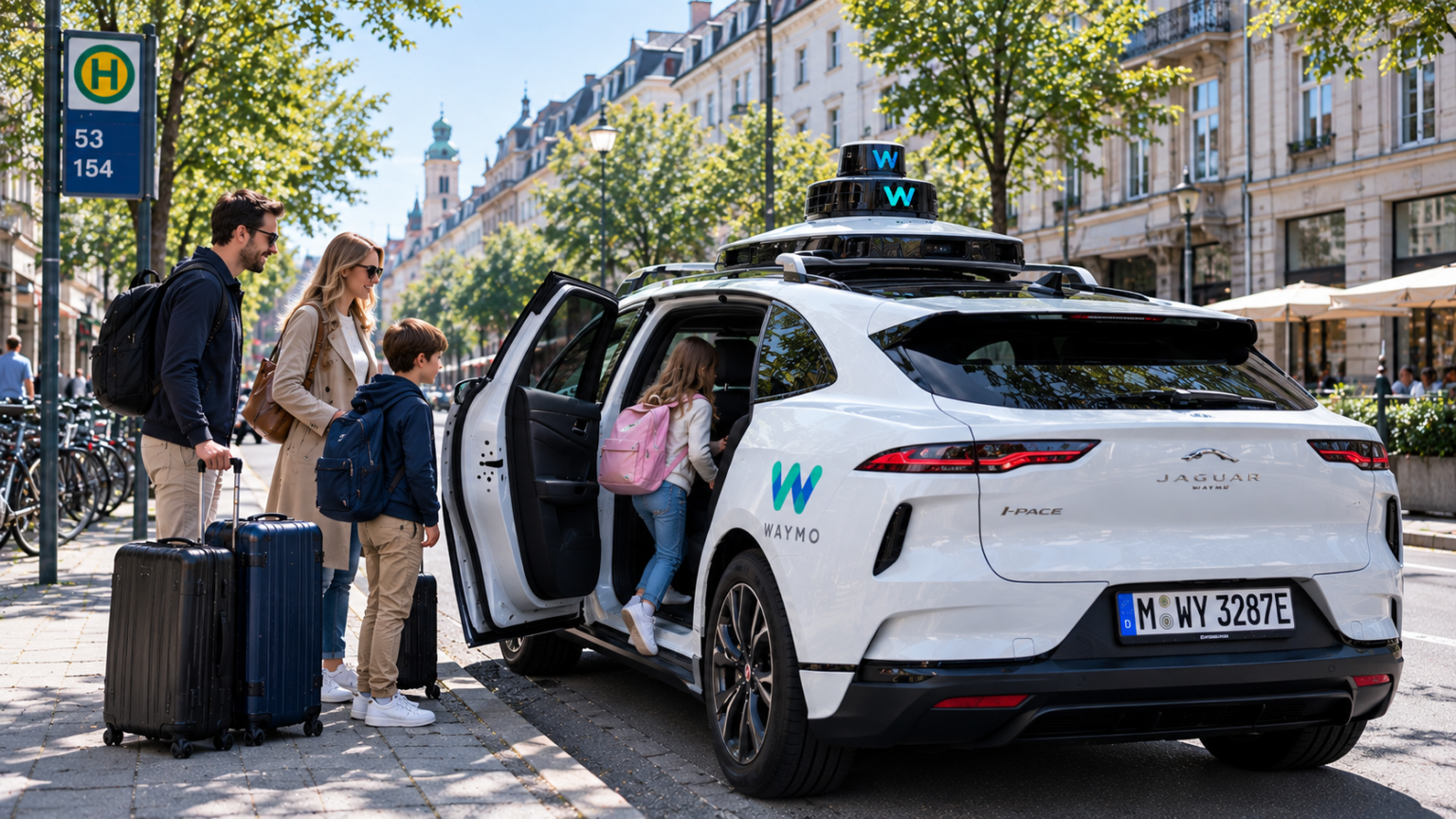
In the United States, Google’s sister company Waymo has been operating robotaxis since the end of 2018. In the Phoenix metropolitan area, the “Waymo One” service initially began with safety drivers, later becoming fully driverless. Today, the vehicles also operate in cities such as San Francisco, Los Angeles, and Austin. According to the company, more than ten million paid rides had been completed by May 2025. Bookings are made either through the Waymo app or, in some cities, via the Uber platform.
In Germany, the operation of Level 4 autonomous vehicles has been legally permitted since 2021, though only within a defined operating area. Level 4 (high automation) means that within this designated area, the vehicle can drive completely autonomously without the need for a human driver to intervene. If a situation arises that the system cannot handle, the vehicle is able to come to a safe stop.
According to the German federal government, the country is regarded internationally as a pioneer of autonomous driving: it was the first country in the world to establish a comprehensive legal framework that allows the operation of Level 4 driverless vehicles—other nations have since followed its example.