
A recent report sheds light on how pocket money shapes early financial education and responsibility among German families.
German Children Manage Billions in Pocket Money and Gifts
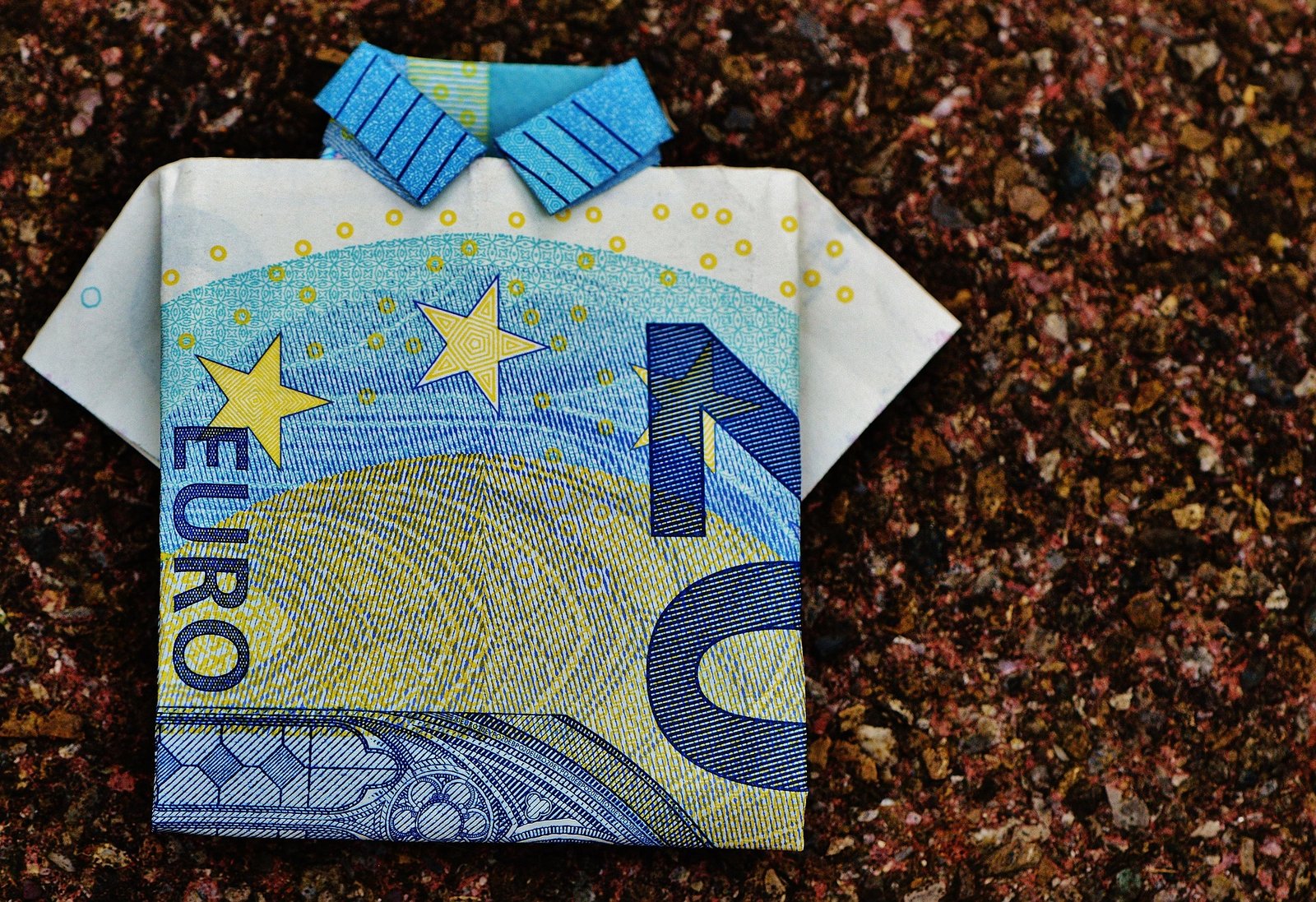
Children under the age of 14 in Germany collectively hold an estimated €3 billion in pocket money and cash gifts. This vast sum could, in theory, fund a complete renovation of all school restrooms across the country—or even finance the acquisition of a major football club like FC Bayern Munich or Real Madrid. Alternatively, kids could use it to launch their own toy company or airline.
This estimate does not include teenagers, meaning the actual financial power of young people is even higher. On average, children entitled to pocket money currently receive €17.93 per month. The practice typically starts around age six, with small amounts that gradually increase as children grow. By age ten, many receive €10 to €20 per month, and by 13, some may already receive close to €30.
No Legal Right to Pocket Money—Decisions Lie with Parents
There is no legal entitlement to pocket money in Germany. The decision rests solely with parents or legal guardians. Currently, 45% of children in Germany do not receive regular pocket money, though many still get monetary gifts on special occasions like birthdays, Christmas, or Eid.
Regular allowances are more common in economically stable households and countries. Historically, the idea of children having personal funds is relatively new. Just 150 years ago, child labor was standard worldwide, and children were expected to contribute to the family’s income, not manage their own.
Pocket Money as a Pedagogical Tool
Only in the 1960s, during Germany’s post-war economic boom, did pocket money gain attention as a tool for education. The aim was to teach children the basics of budgeting, saving, and spending wisely. This era also popularized savings books and youth accounts. Many parents opened bank accounts for their children, contributing regularly—back when interest rates still made saving worthwhile.
Today, children still save their pocket money, using either traditional piggy banks or modern banking apps tailored to young users. Their economic impact is significant, influencing consumer trends in products like Pokémon cards, trendy stationery, cosmetics, sweets, and energy drinks.
How Children Spend Their Money
Spending habits vary widely, though clear patterns emerge. About 70% of children buy sweets regularly. Around half invest in magazines or comic books. Girls tend to spend more on clothing, books, skincare, or beauty products, while boys are more likely to buy video games, collectibles, and trading cards.
In most households, children are allowed to decide for themselves how to use their money, or are at least consulted. The German Youth Institute supports this practice, emphasizing that the exact amount is less important than consistency. Pocket money should be given regularly and reliably, without prompting. It should not be used as a reward or punishment.
Money Management Begins at Home
When children are free to manage their own money, they learn essential life lessons: understanding the cost of goods, realizing how quickly money can disappear, and discovering how long it takes to save for larger purchases. Mistakes—such as regrettable impulse buys—are valuable learning experiences.
Since financial literacy is rarely taught in schools, these real-world exercises at home are crucial.
Key Pocket Money Questions for Families
- How much and how often?
Each family’s financial situation is different. That’s okay. Parents can consult guidelines from the German Youth Institute at www.dji.de/taschengeld for age-appropriate amounts. - Who decides what to spend it on?
Experts recommend letting children manage their own funds. Whether it’s a football jersey or luxury lip gloss, parents should avoid judgment. - How do you plan your spending?
Regular conversations about savings goals and spending plans help children think long-term. Parents can also share their own budgeting experiences. - How much responsibility is appropriate?
Some families allow kids to manage specific budgets—such as buying their own clothes for a new season. These practical tasks build autonomy and financial competence.
Conclusion: Pocket Money as a Life Lesson
Pocket money is more than a monthly amount—it’s an educational tool. It teaches children about money, encourages responsibility, and helps them understand value. Parents play a key role in guiding this process with openness, trust, and ongoing conversation.