The regulator emphasized that carriers’ economic risks associated with fuel price fluctuations cannot be shifted onto consumers. Furthermore, airlines are strictly prohibited from retroactively increasing the price of already purchased tickets, ending disputes over the legality of introducing additional fuel surcharges after a transaction is complete.
The situation in the aviation market has intensified against the backdrop of the armed conflict in Iran, which triggered a sharp spike in energy prices. Despite the difficult market conditions, the European Commission maintains a firm stance: passengers have a legal right to a full refund of the ticket price if a carrier cancels a flight citing excessive refueling costs.
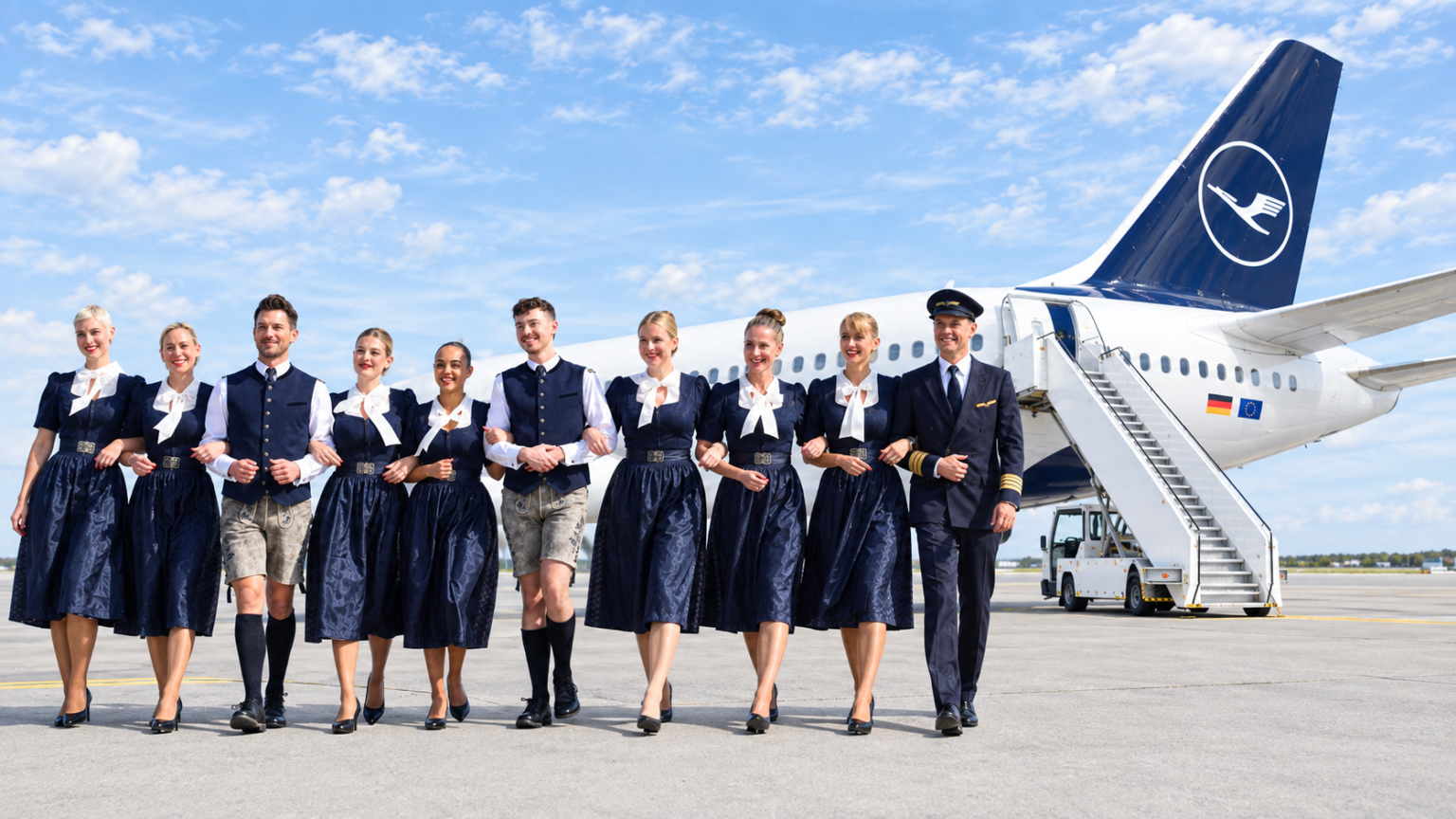
Under these circumstances, EU air passenger rights regulations remain fully in force. Travelers are not only entitled to a refund but can also demand rebooking onto alternative routes, the organization of a return trip, or the provision of service at the airport while waiting. Moreover, fixed compensations are provided for short-notice cancellations (less than 14 days before departure). It is worth noting that the scale of the problem has already affected millions; for instance, the Lufthansa Group was forced to cancel approximately 20,000 flights for the current summer period, highlighting the need for clear legal regulation.
No Compensation for Physical Kerosene Shortages
The legal interpretation of events changes significantly if a flight delay or cancellation is caused not by financial calculations, but by a physical lack of fuel at the airport. In such a scenario, the European Commission is inclined to view the occurrence as an “extraordinary circumstance” beyond the airline’s control.
In this case, the carrier is exempt from paying additional financial compensation, although obligations to care for passengers (meals, hotel accommodation) remain. Currently, regulatory bodies have not recorded systemic signs of fuel shortages within the EU. However, industry experts warn that if the conflict in Iran becomes prolonged, real disruptions in the logistics chain of oil supplies through the Strait of Hormuz could arise. This would inevitably lead to a kerosene deficit; therefore, experts recommend that passengers consider possible operational difficulties when planning long-distance travel.
Prohibition on Subsequent Ticket Price Changes
In its clarification, the European Commission separately confirmed the absolute ban on changing an airfare price after the transaction is finalized. Even if market kerosene prices continue to show anomalous growth, introducing any fuel surcharges for already sold tickets is recognized as unlawful. The only exception may be package tours, where specific legal norms apply; however, even in those cases, consumer rights remain protected under antitrust laws.
As a measure to stabilize the market, the European Union Aviation Safety Agency (EASA) is accelerating preparations for the use of alternative resources. Specifically, work is underway to authorize the use of American-made Jet A fuel in European skies. Previously, this type of fuel was not officially permitted for use in Europe.
“The possible introduction of Jet A in Europe or other regions will not pose a threat to flight safety, provided there is proper technological organization of the process,” the agency stated on Friday. EASA specialists are already developing regulations to eliminate risks when mixing different types of fuel and are preparing mandatory briefing programs for airport technical personnel. Thus, the diversification of supplies may become the key to stabilizing air travel in conditions of global instability.