
The city administration has published an ordinance aimed at finding a balance between preserving a unique urban tradition and ensuring the safety of the extreme sport.
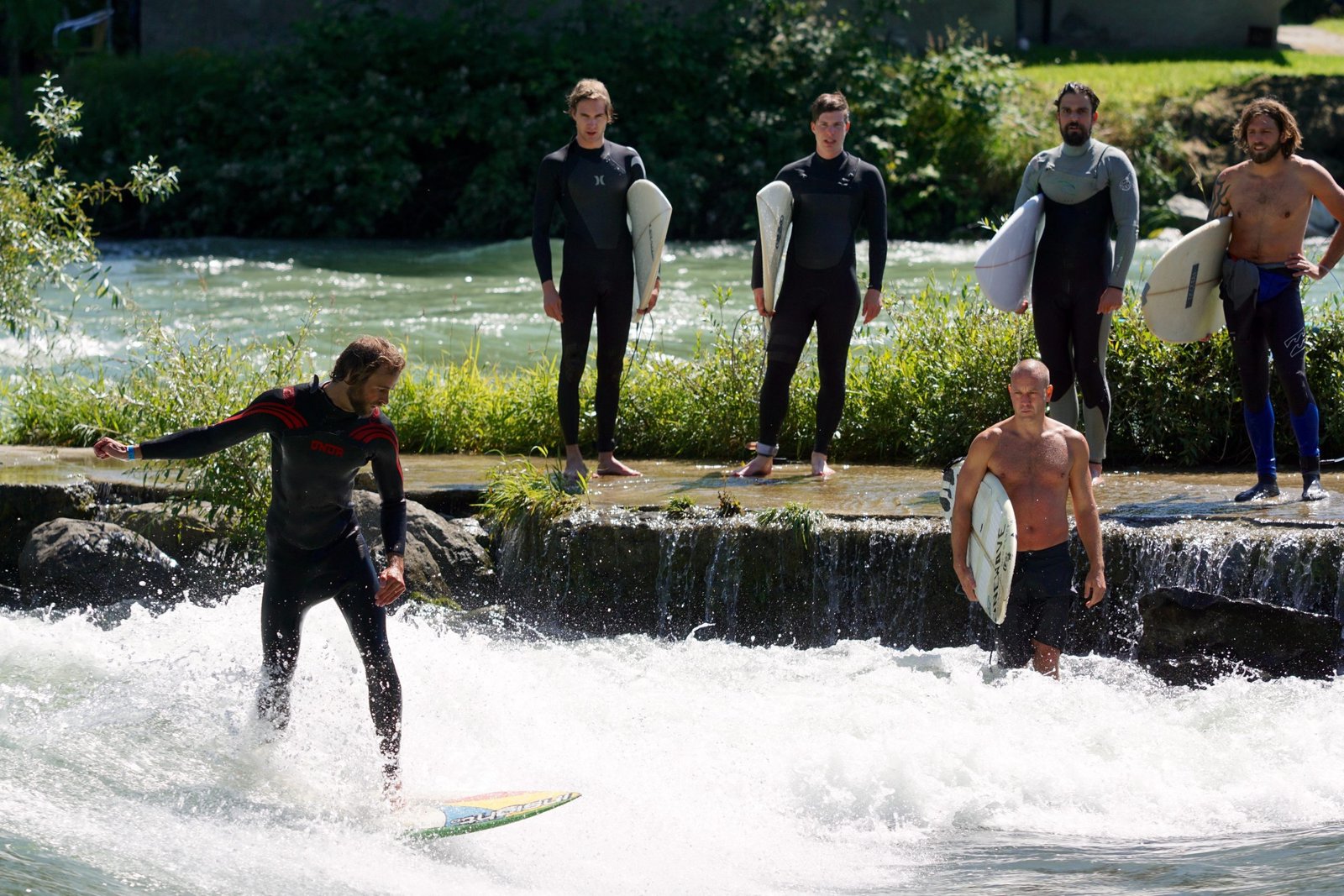
According to the new general ruling, surfing in the waters of the English Garden is no longer an administrative offense. The document, prepared by order of the new Lord Mayor Dominik Krause (Greens), comes into effect immediately. Notably, the updated regulations establish significantly stricter operating conditions for the sports site than those in place over the past decades.
The main changes concern the time schedule and technical equipment. Surfing is now permitted only during daylight hours and until 10:00 PM. Only trained and experienced river surfers who officially assume full responsibility for potential risks are allowed to take on the flow. Furthermore, a fundamentally new equipment requirement has been introduced: the use of a surfboard leash is now mandatory only if it features an automatic quick-release mechanism. This engineering measure is intended to prevent critical situations where a powerful current could pull an athlete underwater due to a snagged board.
The Wave Was Closed After a Fatal Accident
The radical revision of safety rules was the result of tragic events in April 2025. At that time, a 33-year-old surfer became trapped when her leash got tangled underwater, preventing her from surfacing. Despite the efforts of rescuers and emergency hospitalization, the victim passed away in the hospital. The tragedy caused a widespread public outcry, although the exact technical causes of the accident were never definitively established by experts at that time.
Following the incident, city authorities made several attempts to regulate the situation. Former Lord Mayor Dieter Reiter (SPD) had reintroduced a ban in an effort to prevent further casualties. The situation grew more complicated in the fall of 2025 when, after a scheduled cleaning of the Eisbach stream bed, the famous wave practically disappeared—no natural obstacles remained on the bottom to form the necessary flow. In the following months, a hidden struggle took place between authorities and sports enthusiasts: unknown fans secretly installed artificial barriers on the bottom, which city services methodically dismantled. Despite official cordons and warning signs, surfers continued to use every opportunity to get on the water.
Preserving a City Symbol Through Dialogue
Dominik Krause provided a new political impetus to resolving the problem. The publication of the permissive ordinance took place almost immediately after the formation of the new coalition in the Munich City Hall. According to Krause, the document was not imposed “from above” but was the result of close cooperation with representatives of the Munich surfing community, united in two major professional organizations.
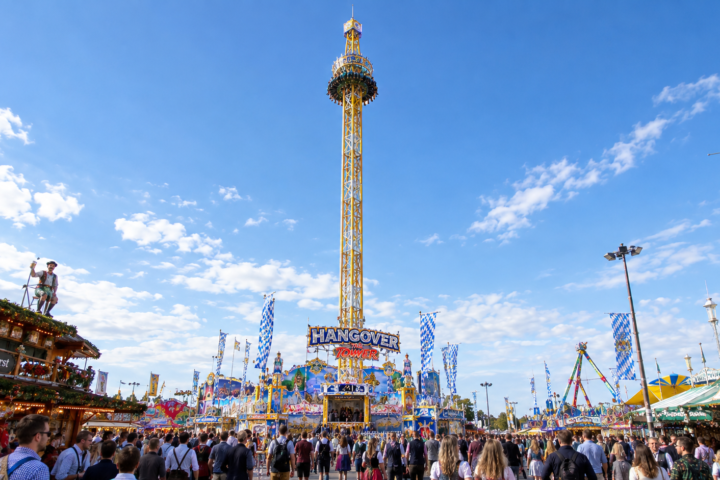
In his official statement, the Lord Mayor emphasized the cultural significance of the site: “Surfing on the Eisbach is not just a sport; it is an integral part of identity and the Munich way of life. The Eisbach wave has long been a global symbol of our city, as recognizable as the Frauenkirche or the Oktoberfest.” Thus, the new rules represent a compromise that allows for the preservation of the legendary landmark while minimizing the risks of a repeated tragedy. For a city that takes pride in its title as the “world capital of river surfing,” the return of athletes to the Eisbach marks the end of one of the most difficult crises in the history of the English Garden.