At a press briefing in Fürth, Bavarian Interior Minister Joachim Herrmann (CSU) stated that “Bavaria‘s population continues to grow at a moderate pace.” By 2043, the state is projected to have approximately 13.74 million inhabitants — a 4.3% increase from the official count recorded on December 31, 2023.
Southern Bavaria Leads in Projected Growth
Population growth will affect all seven of Bavaria’s administrative districts, though to different degrees. The most dynamic increase is expected in Swabia, where the population may rise by 8.1%. Within this region, the district of Unterallgäu and the independent city of Memmingen are forecast to see double-digit growth.
Lower Bavaria follows with a projected increase of 6.4%, while Upper Bavaria, which includes Munich, is expected to grow by 4.9%.
The Upper Palatinate is set to grow by 4.1%, and Middle Franconia by 2.7%. Lower Franconia remains nearly stable with a slight rise of 0.9%.
Upper Franconia the Only Region Facing Population Decline
Upper Franconia stands out as the only district anticipated to experience a population decline, estimated at -1.4%. However, some local areas within Upper Franconia — including the city and district of Bamberg and the district of Forchheim — are expected to buck the trend with modest population increases.
Migration from Abroad Fuels Population Growth
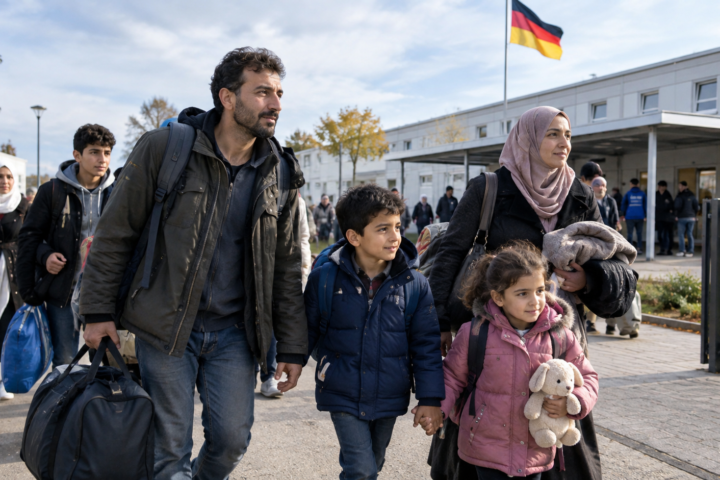
Because deaths have outnumbered births in Bavaria for some time, migration is now the primary driver of population growth. Most newcomers do not come from other parts of Germany but from abroad. Between 2013 and 2023, about one million people immigrated to Bavaria, largely attracted by the state’s strong job market, explained Thomas Gößl, president of the Bavarian State Office for Statistics.
A significant portion of these immigrants came from EU member states, while about 25% were asylum seekers. This trend is expected to continue, with projections indicating an annual average of around 60,000 international immigrants and roughly 5,000 domestic migrants moving to Bavaria in the coming years.
Aging Population Alters Demographic Balance
The demographic structure of Bavaria is set to shift considerably due to an aging population. By 2043, the number of residents under 20 is expected to rise by just 69,000, whereas those aged 67 and older will grow by approximately 665,000 — nearly ten times as many.
This change will increase the old-age dependency ratio significantly. Currently, there are about 30 retirees for every 100 working-age people in Bavaria; by 2043, that number will rise to around 39.
Urban Exodus Continues as Remote Work Changes Living Patterns
Another trend that has gained momentum is the migration from urban to rural areas. This shift, which began in the 2010s, accelerated during the COVID-19 pandemic. The widespread adoption of remote work has allowed many residents to move further from their workplaces — sometimes as far as 150 kilometers — and only commute on select days.
High urban rents and increased mortgage interest rates have also driven people away from city centers. In the greater Munich area, a new pattern has emerged: rather than settling in the traditional commuter belt, many are now moving to more distant regions throughout Bavaria.
The data underscore how international immigration, aging demographics, and changing residential preferences will shape Bavaria’s population landscape over the next two decades.