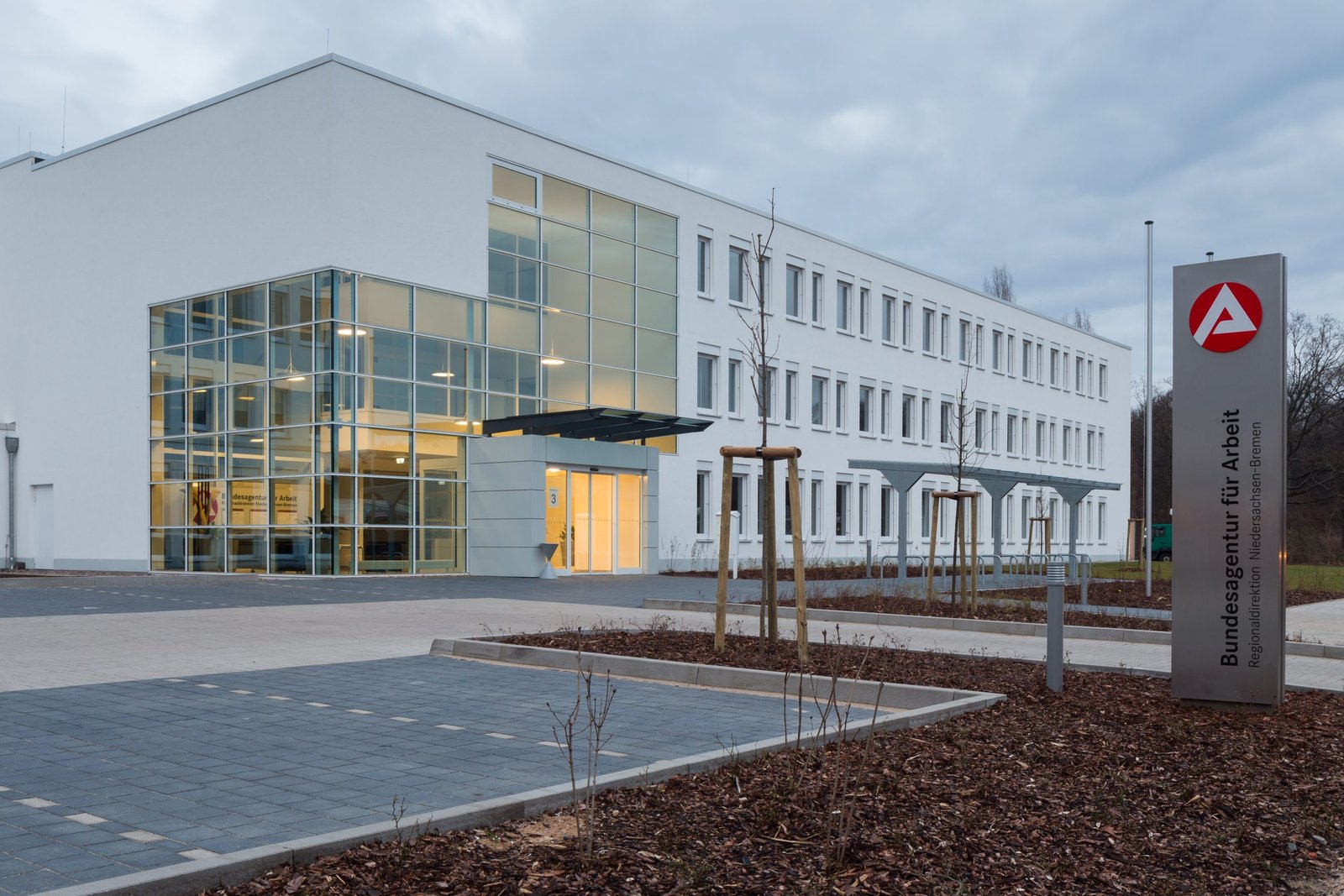

A new study, commissioned by the Bertelsmann Foundation, has exposed a deep crisis in the employment assistance system. For every second person facing long-term unemployment, going to the relevant department brings no real result, turning into a hollow formality.
Despite the lack of practical progress, respondents surprisingly highly value the human factor. The majority of those surveyed give good marks to the specialists they interact with. This creates a strange picture where the politeness and competence of staff coexist with total stagnation in the search for a workplace.
Satisfied with departments, but not with mediation
Survey statistics covering 1,000 people demonstrate a striking contrast. More than two-thirds of study participants are satisfied with how their job center’s activities are structured. About 72 percent of respondents even consider the staff assigned to them to be true professionals. However, when it comes to the final result, the figures become harsh: 47 percent of those surveyed directly state that visiting the institution in no way improves their position in the labor market and provides them with no new opportunities.
Criticism of the departments is specific. About 39 percent of citizens complain about poor consultant availability — it can be extremely difficult to reach them by phone or book an appointment at a convenient time. Another 40 percent of social benefit recipients lament a one-sided approach: according to them, officials merely present endless requirements and bury them in paperwork instead of providing real support. In contrast, 60 percent of respondents still note that the organization tries to help precisely in those aspects where assistance is objectively necessary.
Barriers to hiring and resource shortages
Tobias Ortmann, representing the Bertelsmann Foundation, emphasizes that the effectiveness of casework cannot be measured by general figures alone. Special attention must be paid to those “furthest from the market” — people whose chances of being hired are minimal due to a lack of qualifications or chronic illnesses. It is in such complex cases that the functions of counseling and mediation often take a back seat, giving way to bureaucratic reporting.
Statistics confirm the scale of the problem: approximately 46 percent of Bürgergeld recipients face several serious obstacles simultaneously when looking for work. The study’s authors insist on a radical revision of the current concept. The subjective satisfaction of the unemployed should not be the only criterion for success. According to experts, more self-reliance and personal initiative must be demanded from individuals who have no objective obstacles to labor.
Readiness for mutual obligations
Despite dependence on social payments, the majority of the unemployed share the principles of fairness. About 82 percent of those surveyed are certain that the state is obliged to provide financial aid to those in difficult life situations. Meanwhile, 55 percent of participants agree that receiving the Bürgergeld allowance imposes reciprocal obligations on a person. During individual interviews, many emphasized that their long-term goal is not living on subsidies, but full economic independence and a return to work.
System reform and new sanctions
The study was conducted between April 15 and June 18, 2025, and involved the 25 to 50 age group, whose representatives have been receiving state support for more than a year. The results of this survey have acquired particular relevance following recent decisions by the country’s political leadership.
In early March 2026, the Bundestag passed a resolution that will significantly change the lives of approximately 5.5 million benefit recipients starting July 1, 2026. The current system is being transformed into a new model of basic security (Grundsicherung) with extremely strict rules. The state is moving toward a policy of tight control: those who evade cooperation with job centers or refuse offered vacancies without valid reasons will face a tangible reduction in social payments. Thus, the era of loyal waiting is being replaced by a period of compelled active job searching.Source: dpa and epd