
Munich aims to achieve climate neutrality by 2035. The city has set this goal and is currently developing strategies to realize it. It is clear that $CO_2$ emissions in the Bavarian capital must drastically decrease. In 2019, emissions per resident stood at 5.1 tons; by 2035, this figure must drop to just 0.3 tons. This will require significant savings in transport, industry, and commerce, as well as within municipal institutions and private households. The Harlaching project is designed to demonstrate how such results can be achieved.
Testing the Climate Neighborhood on Säuierhoffstraße
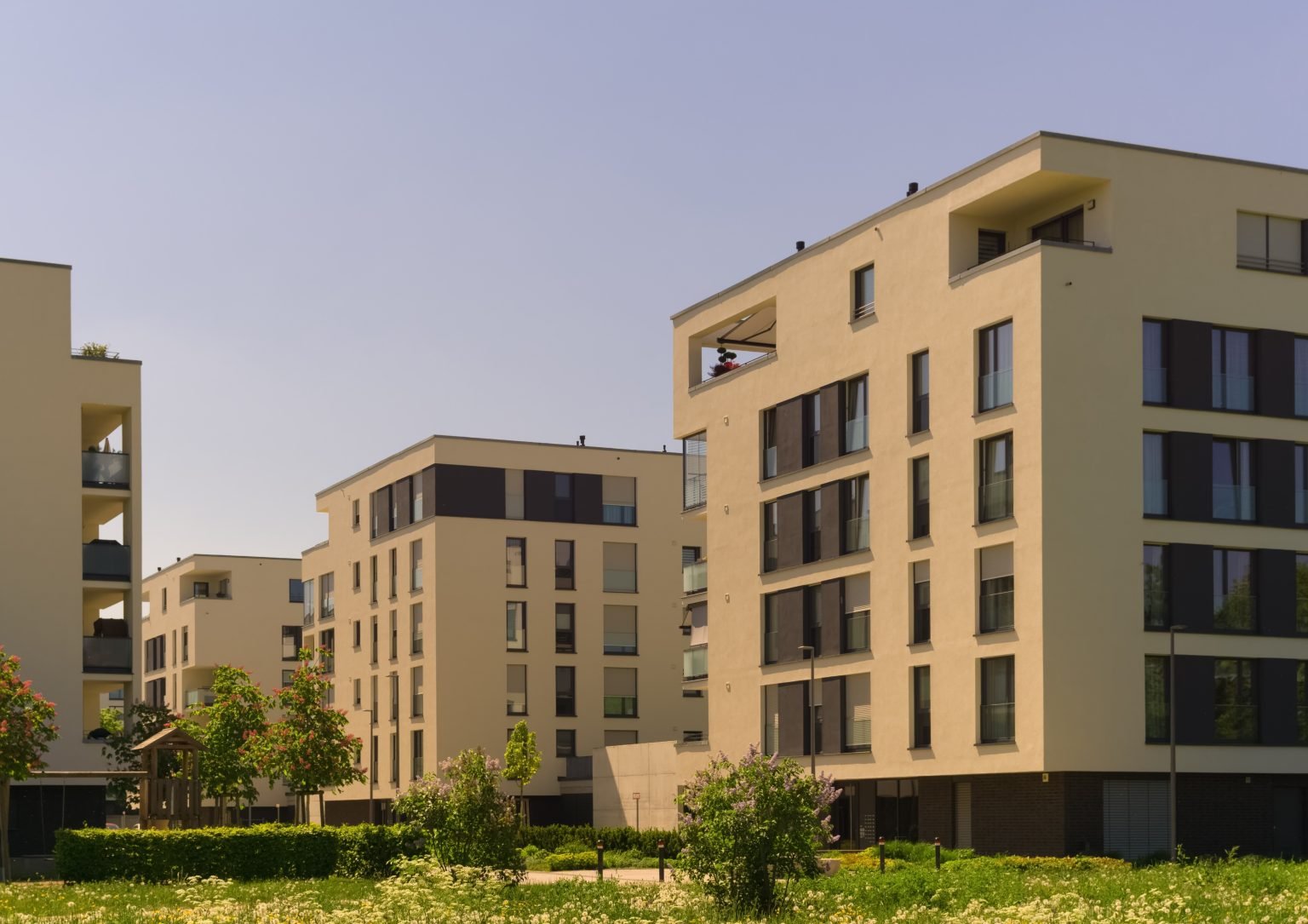
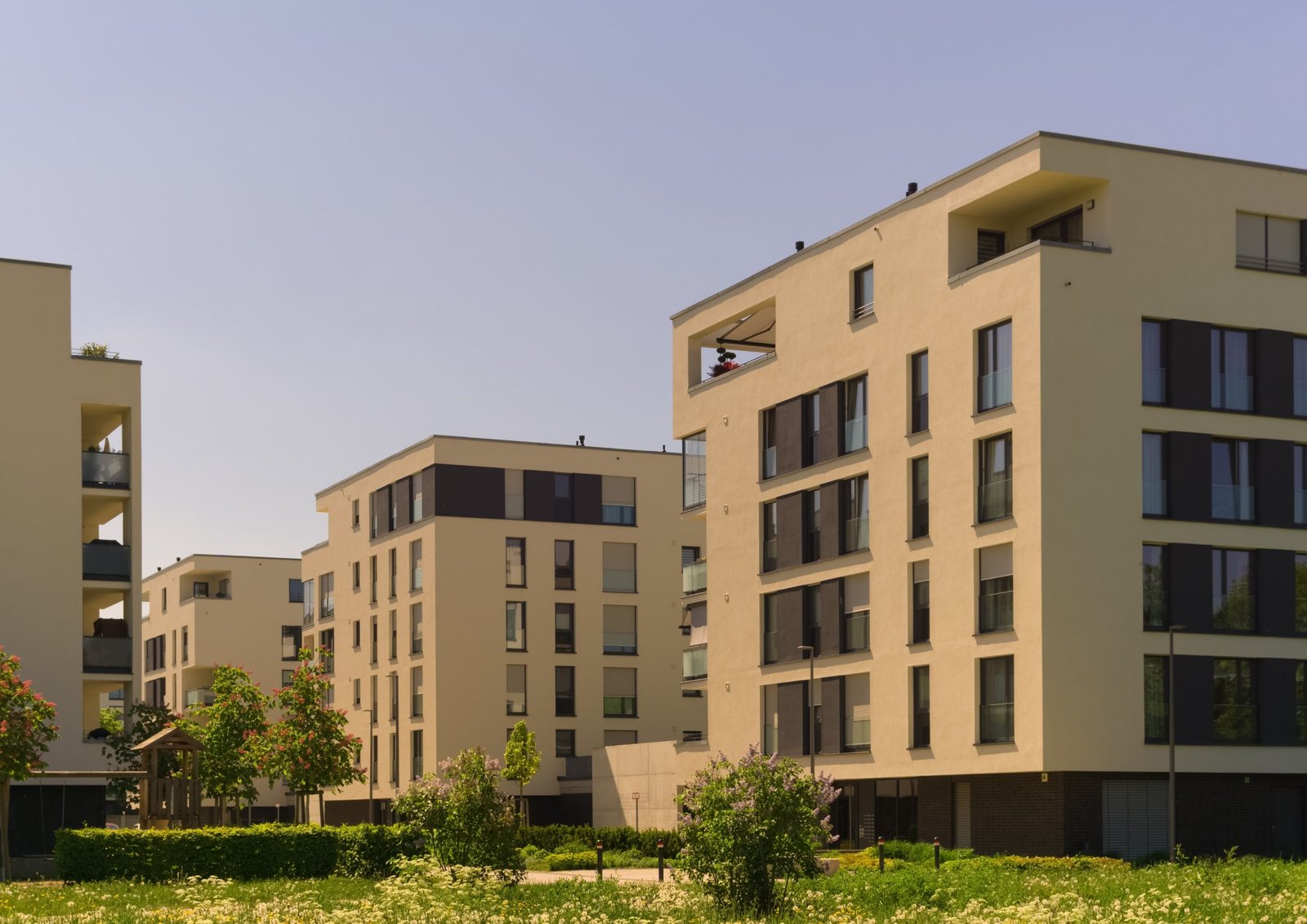
In the area surrounding Säuierhoffstraße, the city plans to implement a so-called integrated neighborhood approach. This involves combining climate protection, energy efficiency, and social aspects directly within residential zones. The goal is to collaborate with citizens to make neighborhoods not only environmentally sustainable but also more livable. This is to be achieved through increased greenery, improved infrastructure, and the energy modernization of entire residential blocks.
The Säuierhoffstraße neighborhood is situated between Rotbuchenstraße, Naupliastraße, and St.-Quirin-Platz, and is home to approximately 3,500 people. According to the Department of Urban Planning and Building Regulation, the area already boasts good transport links, but the bioclimatic situation can still be improved. Furthermore, the neighborhood lies outside the SWM (Munich City Utilities) district heating zone, necessitating the development of individual energy supply solutions.
Residents are expected to reach a consensus on specific changes. In an online survey, they identified several priorities: expanding electric vehicle infrastructure, creating wildflower meadows, improving building insulation, and hosting more frequent community events.
Bioclimatic Needs and Local Council Support
The local district council has voiced its approval of the initiative. SPD representative Helga Hügenell noted: “This project is a great opportunity for this neighborhood.” The citizens’ desires largely align with the council’s priorities, which include renovating playgrounds and establishing a neighborhood center and community gardens. “A lot of interesting things are happening,” emphasized Ulrike Ehmen of the Green Party. She added that it is crucial to keep residents informed and involved in the process. Andreas Babor of the CSU also pointed to the shortage of parking spaces in the district, a problem that must be addressed.
The pilot project is in its initial phase and is scheduled to run until 2027. Concepts are currently being developed, which will be followed by community engagement activities, including programs for children. It is already evident that urban gardening projects and solar panel installations are easier to implement than the energy-efficient renovation of buildings within Neuharlaching’s historic architecture. Nevertheless, the city must tackle these challenges if it intends to meet its 2035 climate protection targets.
Source: tz.de