
One site is currently under construction in the Bogenhausen district, while the location of the second, larger park in the Au remains confidential for conservation purposes.
New Habitats for Vital Nighttime Hunters
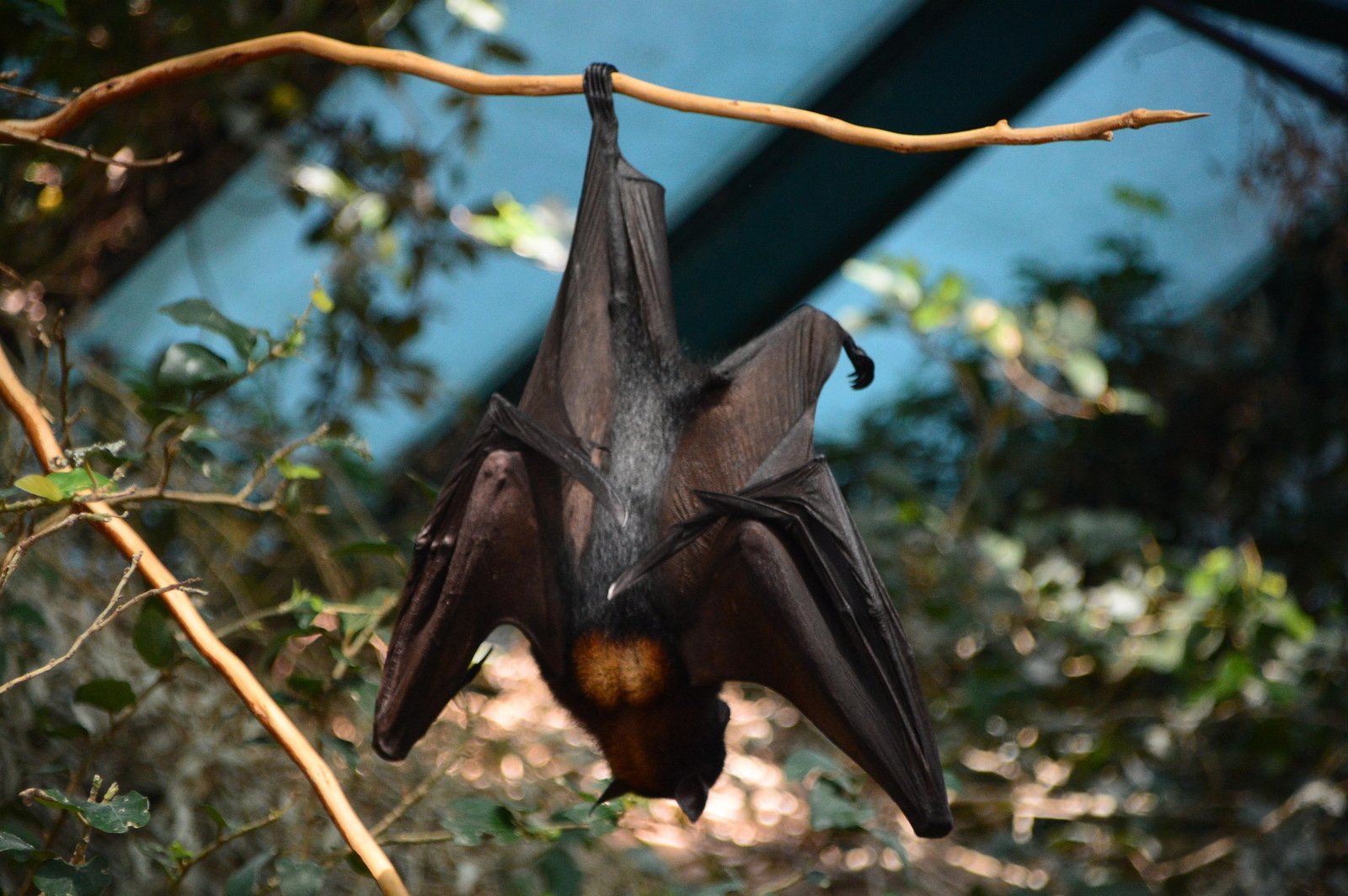
Although bats are rarely seen due to their nocturnal behavior and ultrasonic navigation, they play an essential ecological role. These new parks aim to support their populations by creating spaces where they can roost, hunt, and raise offspring safely.
The park at Bichlhofweg/Isabella-Braun-Weg in Bogenhausen is already being redesigned to accommodate bat-friendly features. Bat expert Lorena Heilmaier recently presented the project to the local district committee, explaining that the Bavarian Society for the Protection of Birds (LBV) is leading the effort, which began in early 2024. Funding is provided by Munich’s Department of Environmental Protection and the Rosner & Seidl Foundation.
Landscaping Supports Insect-Rich Ecosystems
In partnership with the city’s landscaping department, green spaces are being tailored to better meet the needs of insectivorous bats. In one location, a lack of flowering insects—a key food source—prompted the planting of a wildflower meadow with a seed mix specifically selected to attract insects beneficial to bats. In Bogenhausen, a shallow wetland area is also being developed, along with deadwood piles that provide insect habitats.
Bat Boxes Provide Shelter Throughout the Year
By August, both parks were equipped with custom bat boxes. Each includes a large, year-round box for winter hibernation, alongside about 50 smaller shelters of various designs for resting and breeding. Standard bird nesting boxes were also installed to ease competition for roosting spots, as birds and bats often seek out similar nesting spaces.
Ultrasound Monitoring Tracks Bat Presence
Volunteers have played a key role in monitoring the parks using bat detectors, recording thousands of ultrasonic calls during dusk and dawn. Preliminary analysis has confirmed the presence of pipistrelles and either parti-colored or noctule bats in both areas—species whose calls are difficult to distinguish. In the Au, water bats have also been positively identified. Additional species may be revealed as data analysis continues.
Public Education and Park Opening Planned for Summer 2025
Beyond conservation, the initiative seeks to educate the public about bats and the importance of biodiversity. Informational signage and guided tours are planned to accompany the opening of the parks, which is scheduled for summer 2025. The project aims to foster greater awareness and protection of these often-overlooked animals while enriching urban green spaces for both wildlife and people.