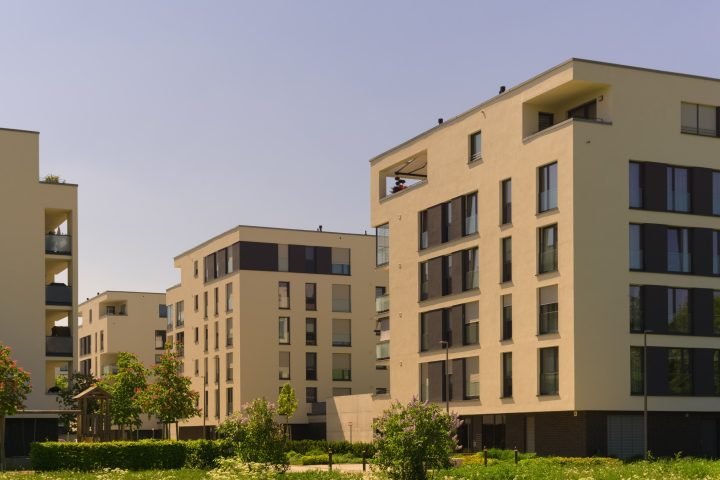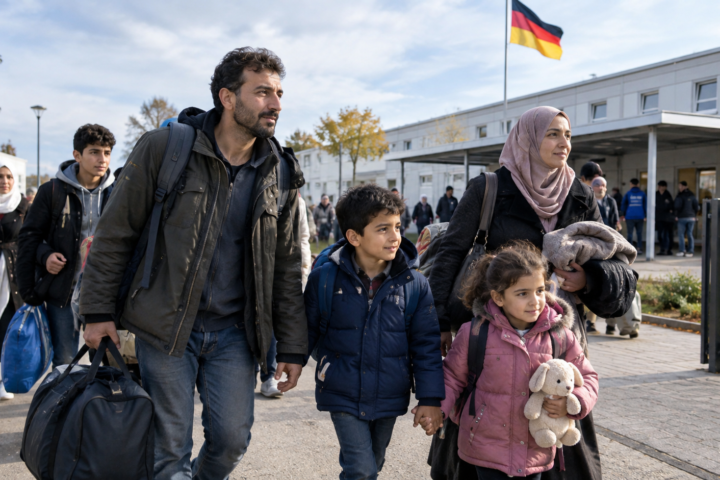

The project, which aimed to house approximately 200 refugees in the former nurses’ residence at Albert-Roßhaupter-Straße 65, was abandoned after the landlord made late-stage demands that the city could not meet, according to the Munich Department of Social Services. These developments led to mixed responses from members of the Sendling-Westpark District Committee.
Conservatives Support Cancellation as a Practical Choice
Alfred Nagel, spokesperson for the CSU group on the district committee, welcomed the project’s cancellation. He described it as a “sound and rational decision,” arguing that placing refugee housing at such a central and visible location would have posed long-term risks of social tension. In his view, the seven-story building could be put to better use.
Social Democrats Call for Dignified Refugee Accommodation
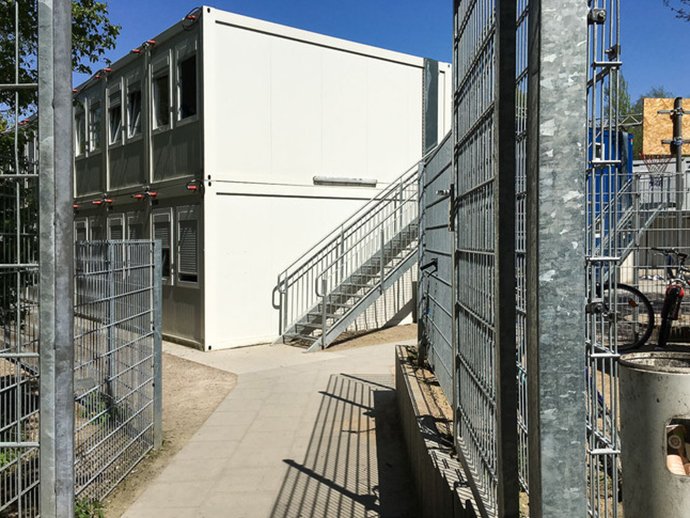
In contrast, committee chairman and SPD member Günter Keller expressed disappointment, emphasizing Munich’s ongoing legal and humanitarian obligation to accommodate asylum seekers. He criticized the continued reliance on container housing — such as those on Hansa- and Gerty-Spies-Straße — as unsustainable and undignified. According to Keller, the project’s failure was not due to neighborhood resistance or right-wing protests, but simply because the property could not be leased under the conditions demanded by the owner.
Greens Regret Missed Opportunity
The Greens also expressed frustration at the last-minute collapse of the initiative. Maria Hemmerlein, the Green Party’s spokesperson on the committee, said the site had been slated to open in early 2025 and represented a concrete response to a long-term social need. She emphasized that hosting refugees fleeing war and persecution is not a temporary challenge but an enduring moral responsibility.
Ongoing Pressure on Refugee Housing in the District
Currently, around 800 refugees are housed in Sendling-Westpark, a district with just over 60,000 residents. The housing situation remains strained, and further facilities are planned — including 144 new spots at Albert-Roßhaupter-Straße 22. The city’s Department of Social Services expects sustained demand and continues its search for suitable properties across Munich through its dedicated task force for housing refugees and the homeless.
The city’s struggle to secure adequate housing for asylum seekers underscores the growing tension between real estate constraints and humanitarian obligations in urban planning.