
Increasingly, people are hitting the road in search of freedom and adventure. But not everyone enjoys crowded campsites. The idea of simply stopping wherever the scenery is most breathtaking holds a special appeal. However, this kind of freedom has legal limits — and those limits vary significantly from country to country.
Wild Camping in Germany: Mostly Prohibited, Often Costly
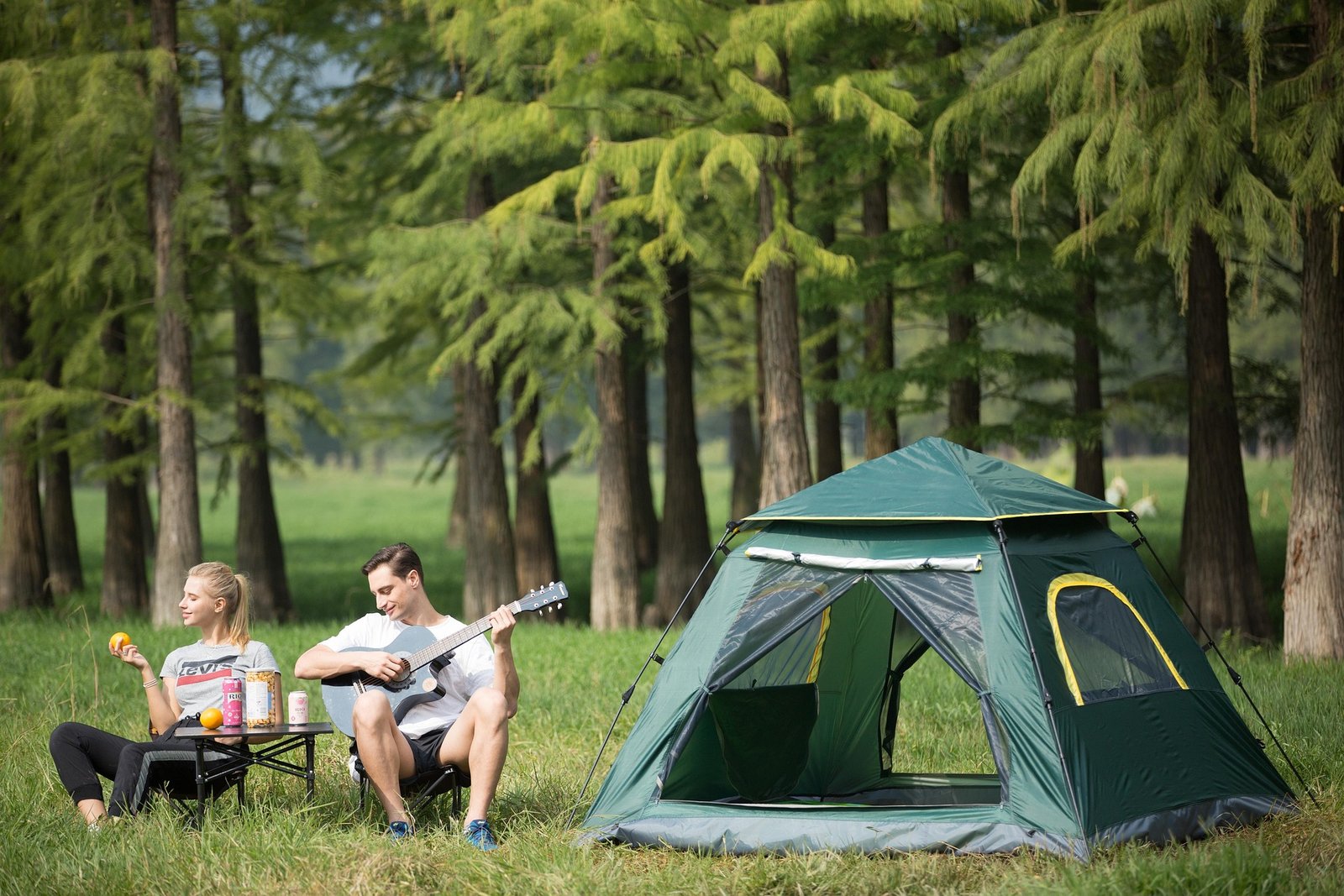
Although environmental and nature protection laws in Germany are primarily determined by each federal state, wild camping — that is, intentionally staying overnight outside of official campsites or designated pitches — is generally prohibited across the country. Anyone pitching a tent in nature or parking a camper outside approved areas risks a fine, especially in protected nature reserves, where penalties can be severe.
One exception are so-called Trekkingplätze (trekking sites), which exist in a few federal states. These designated areas allow overnight stays in natural settings under certain conditions. Also permitted is bivouacking — spontaneous overnighting without a tent, usually just with a sleeping bag under the open sky.
Camping Boom in Germany: Record Numbers
Camping is experiencing unprecedented growth in Germany. According to the Federal Statistical Office, approximately 42.9 million overnight stays were recorded at German campsites last year — more than ever before. Compared to the pre-pandemic year of 2019, that’s an increase of nearly 20 percent. Over the past two decades, the number of overnight stays has actually doubled.
Bavaria: Up to €2,500 in Fines for Illegal Camping
As idyllic as it may sound to pitch a tent at dawn in a meadow, Bavaria strictly regulates wild camping. Violations can result in fines of up to €2,500. This also applies to overnight stays in motorhomes outside of designated camping areas.
A few exceptions exist: in Brandenburg and Mecklenburg-Western Pomerania, for instance, hikers are permitted to spend one night in nature legally. Drivers too tired to continue may pull over at the roadside to rest — but only once, for a few hours, to restore driving fitness. Important note: parking must be legally permitted at that location.
Scandinavia: Freedom to Camp, in Harmony with Nature
Sweden takes a very different approach. The “Allemansrätt” or “right of public access” allows everyone to enjoy nature. Camping is explicitly allowed under certain conditions — such as staying away from residential homes and limiting your stay to a maximum of two nights in one location. The Swedish Tourist Association confirms: as long as you are respectful toward nature and others’ privacy, camping is welcomed.
However, different rules apply for camper vans: driving on field paths or protected land is not permitted. Guidance is available through the official Vanlife Guide, which provides a list of recommended sites.
Norway also honors the right to roam, but wild camping is only permitted with a tent. Scotland follows a similar philosophy: camping is allowed as long as you respect nature and fellow visitors.
Alpine Region and Southern Europe: Strict Rules, Few Exceptions
In Austria, much like in Germany, wild camping is generally forbidden, especially in forests. While recreational access to forests is allowed, overnight stays require explicit permission from the landowner. Some states, like Salzburg and Styria, offer designated trekking sites.
Switzerland presents a more complex picture: there is no blanket ban on wild camping, but rules vary widely by canton. While bivouacking in the mountains is sometimes tolerated, camping in lowland areas is mostly prohibited — particularly in protected zones.
Italy generally bans wild camping, though enforcement varies by region. Overnight stays are typically prohibited in national parks and on beaches.
Conclusion: Preparation Is Key to Camping Legally
There are no unified European rules for wild camping. Travelers using tents or campers should research the local laws of each country in advance. With proper preparation, unnecessary trouble and steep fines can be avoided — and your nature adventure can unfold where it is truly allowed.