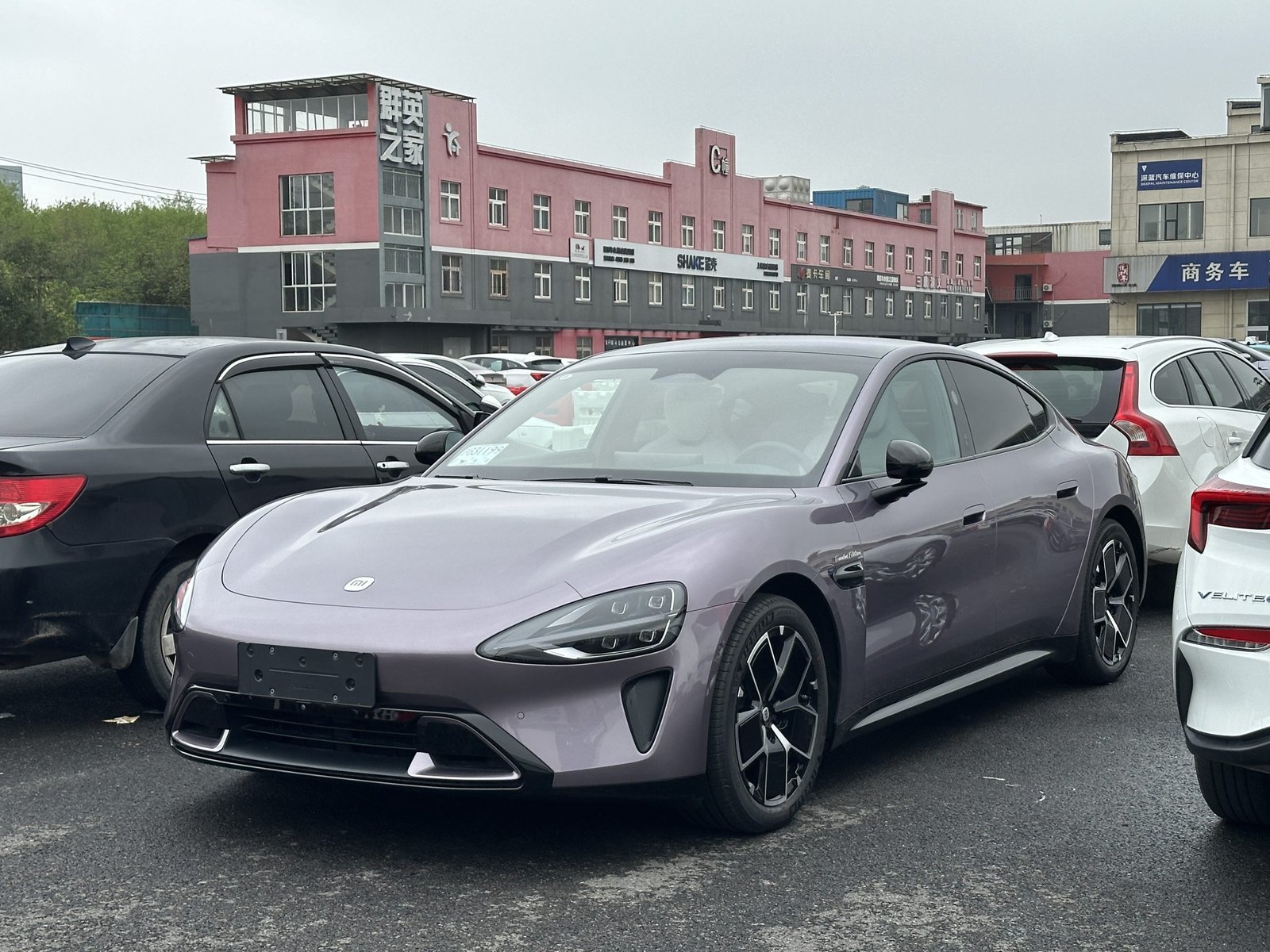

Xiaomi made headlines in late 2023 with the launch of its first electric vehicle, the SU7—a sleek model bearing a strong resemblance to the Porsche Taycan. The car stunned industry observers when it set a Nürburgring lap record in fall 2024 with its 1,549-horsepower powertrain. The aggressive pricing strategy that followed—slashing the price from roughly €65,000 to just €30,000—drew long queues in China and raised concerns among European manufacturers. “We simply can’t compete with that,” a German auto executive told BR24. However, public enthusiasm was dampened in April 2025 when a fatal accident involving a self-driving Xiaomi vehicle in China claimed three lives.
Munich Chosen as Strategic Base for European Expansion
Xiaomi’s decision to anchor its European R&D operations in Munich underscores the city’s appeal as a tech and engineering hub. While the company has yet to release detailed plans, local economic officials expect announcements by late May. “We welcome investment—even from China,” said Christoph Angerbauer from the Chamber of Commerce and Industry for Munich and Upper Bavaria.
Currently, around 500 Chinese firms operate in Bavaria. Analysts say Chinese automakers see Germany not just as a key market, but as a source of technical expertise. German automakers like VW have also sought innovation through partnerships with Chinese startups, reinforcing the two-way flow of automotive technology.
According to Professor Stefan Bratzel from the Center of Automotive Management in Bergisch Gladbach, Chinese EV manufacturers must tailor their vehicles more closely to European consumer preferences, especially in software design. “What Xiaomi has accomplished in such a short time is remarkable,” Bratzel commented.
Recruiting German Talent to Fuel Development
Following a strategy used by other Chinese automakers, Xiaomi is actively recruiting German specialists. Reports indicate that the Munich team will include five former BMW managers and a Formula 1 aerodynamics expert, with a total staff of around 50 planned. In parallel, a sales division is being set up in Düsseldorf to support the company’s European rollout.
Overcapacity in China Drives Push into Europe
Xiaomi’s move into Europe comes as China’s EV industry faces overcapacity, a result of the government’s aggressive industrial policy. Under the “Made in China 2025” initiative, EVs are considered a strategic sector for global technological leadership. As a result, production has far outpaced domestic demand.
Access to the U.S. market has been severely restricted. During Donald Trump‘s presidency, Chinese vehicles were largely excluded, and the Biden administration has since raised import tariffs on Chinese EVs to 100 percent. Europe has thus become critical for Chinese automakers, although the EU‘s own planned tariffs—up to 35 percent—could complicate access. These duties, approved in fall 2024 despite German resistance, remain under negotiation. German carmakers, many of which produce vehicles in China, are concerned about potential retaliation.
Local Production in Europe Could Bypass Tariffs
A possible long-term solution would be for Chinese companies to establish manufacturing plants within the EU. Professor Bratzel sees this as a realistic path forward, citing talks with automaker Chery as evidence. “Chinese firms understand the need to localize production, and it’s a topic of political discussion,” he said.
Bratzel estimates that the first European plants could become operational within three to five years. However, Germany may not be the preferred site due to high labor costs. Southern and Eastern European countries like Spain and Portugal offer more competitive conditions. Bratzel concluded with a warning: “Pressure on the German auto industry is mounting. It must reclaim its edge in automotive innovation before the window closes.”