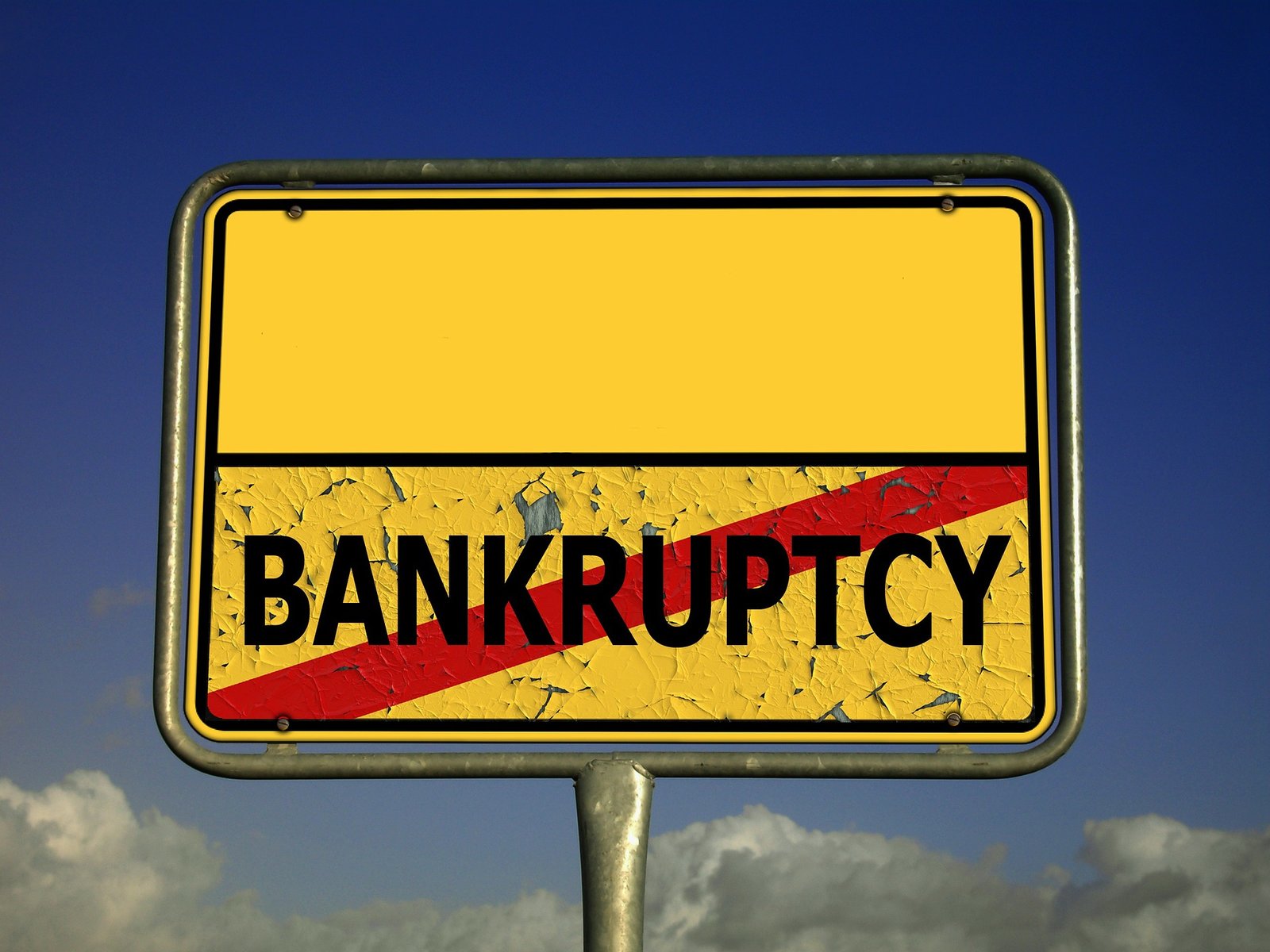

Small businesses appear particularly vulnerable to this troubling trend, according to preliminary data from the Federal Statistical Office.
Alarming Bankruptcy Trend Emerges
The latest figures raise concerns about a potential wave of bankruptcies sweeping Germany. Local courts registered 19.2% more new insolvency cases in July compared to the same period last year – marking the highest increase since October 2023.
After a brief decline in May 2024 (the first since March 2023), June already showed renewed upward momentum. The full impact remains unclear as there’s typically a three-month lag between bankruptcy filings and official statistical recording.
Experts Warn of Structural Issues
Jupp Zenzen, economic expert at the German Chamber of Commerce and Industry (DIHK), warns: “The economic crisis persists – and with it grows the wave of business bankruptcies.” After two recession years, many companies have exhausted their financial reserves, with high energy costs and bureaucratic hurdles exacerbating the situation. Zenzen calls for comprehensive policy relief measures and urgent reforms.
Christoph Niering, chairman of Germany’s Insolvency Administrator Association (VID), criticizes delayed responses to industry changes: “Many blame rising tariffs or energy costs while neglecting necessary restructuring – a dangerous miscalculation.”
Current Data and Sector Breakdown
The Halle Institute for Economic Research (IWH) recorded 1,588 corporate insolvencies in July – 13% higher than July 2023 and 64% above the 2016-2019 July average. However, fewer jobs are affected currently due to fewer large bankruptcies.
Final May 2024 statistics show 2,036 corporate insolvencies (+5.3% year-on-year), with an insolvency rate of 5.9 cases per 10,000 companies. The hardest-hit sectors include:
• Transportation/warehousing: 10.9 bankruptcies/10,000 firms
• Construction: 9.4 bankruptcies/10,000 firms
• Hospitality: 9.0 bankruptcies/10,000 firms
Credit agencies predict 2024 will surpass 2023’s record 21,812 insolvencies, citing expired COVID support, high energy prices, bureaucracy, and political uncertainty as key drivers.