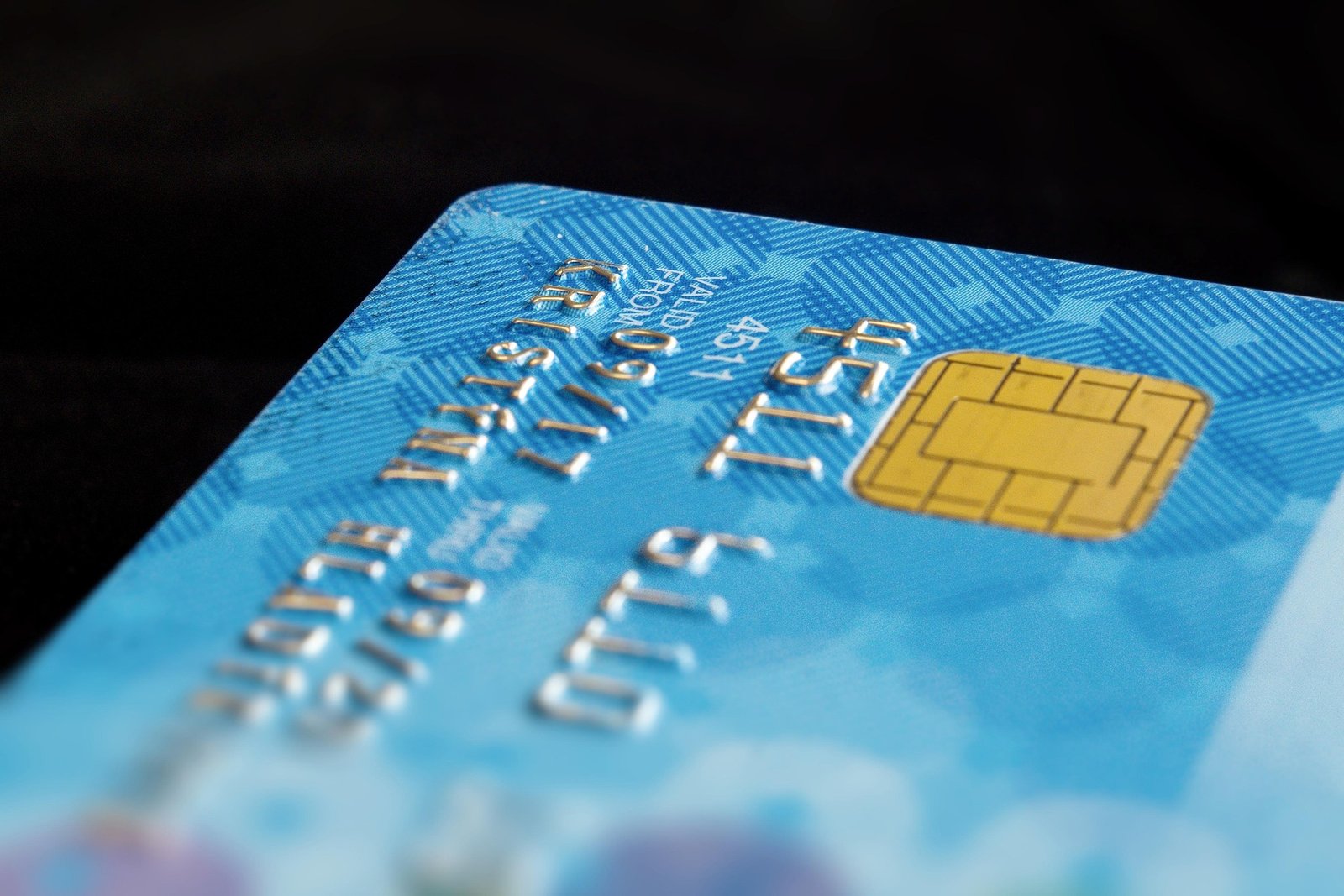

However, before you get a credit card, you should understand its advantages and disadvantages.
One of the biggest strengths of a credit card is its universal, worldwide acceptance. “Whether online, in stores, or while traveling abroad—credit cards are accepted almost everywhere,” reports n-tv. Often even in places where domestic debit cards don’t work.
For online shopping, credit cards often offer additional buyer protection and security mechanisms like 3D Secure. A particularly handy feature is that many providers now enable contactless payments for small amounts up to 50 euros.
Financial flexibility is another point in the credit card’s favor. Purchases are typically not debited from your account until the end of the month, providing short-term liquidity. “The bank effectively grants a short-term loan. The credit limit depends on your regular income,” explains the portal chip.de.
A credit card is even indispensable for travel: it’s often mandatory for rental cars, hotel bookings, or flight reservations, as it serves as a security deposit.
Additionally, many credit card providers lure customers with attractive perks: from travel insurance and bonus programs (e.g., air miles or cashback) to emergency services and exclusive airport lounge access. For frequent travelers, in particular, such benefits can be very valuable.
While credit cards offer numerous advantages, they are not equally sensible for everyone. Whether “plastic money” is worth it depends heavily on individual usage patterns and personal needs.
They are particularly worthwhile for the following groups:
Frequent Fliers and Travelers: Worldwide acceptance, travel insurance, mileage programs, booking hotels and rental cars.
Online Shoppers: Buyer protection, secure payment, acceptance by international retailers.
Business Travelers / Self-Employed: Liquidity advantage, separation of private and business expenses, various additional benefits.
Young People / Students: Prepaid credit cards for budget control, discounts, online shopping.
People with Frequent Stays Abroad: Cash withdrawals and payments in foreign currencies, emergency services.
A prerequisite, however, is good financial control. Those prone to impulsive purchases or who struggle to keep track of their spending should steer clear of credit cards. For beginners, a no-fee basic credit card is recommended to gain experience.
The biggest disadvantage of a credit card is the risk of debt. “Because purchases often don’t need to be paid for immediately, there’s a danger of losing track of spending and exceeding your budget,” warns n-tv. With additional interest charges, the worst-case scenario is a debt spiral.
Hidden costs can also be a problem. Besides potential annual fees, providers may charge foreign transaction fees or costs for cash withdrawals. A close look at the fee schedule is therefore essential. Those who rarely travel, don’t shop online, and don’t need additional benefits often don’t profit from a credit card, as the fees can outweigh the advantages.
Furthermore, the risk of card fraud should not be underestimated. “Card data can be skimmed from manipulated terminals or ATMs and misused,” caution the experts at chip.de. Particular caution is also advised with online payments.
For everyday use within Germany, a standard debit (Giro) card is usually sufficient for most payments.
Credit cards can incur relatively high costs. And if you don’t make your repayment on time, you’ll face high interest rates—which can get expensive. For young people and those with a poor credit history (Schufa), prepaid credit cards are available, which only work on a balance basis.
A credit card is especially worthwhile for people who travel frequently, shop online regularly, or want to benefit from perks like insurance and bonus programs. Those who won’t use these advantages should carefully weigh the costs and benefits before deciding on “plastic money.”