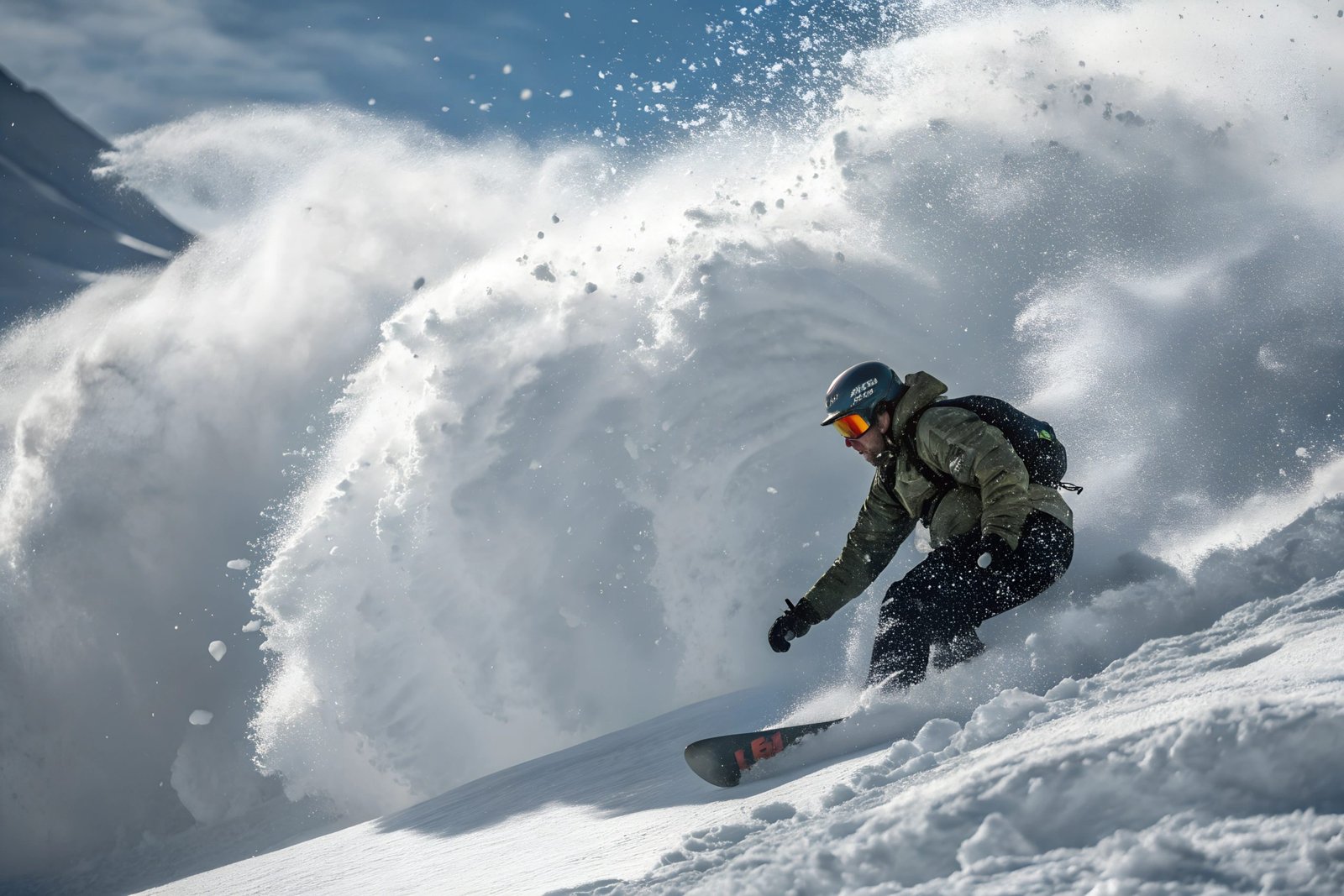

However, their actions prompted a massive search operation, raising questions about who bears the financial burden. Here is why the rescue services will likely be left without reimbursement in this case.
“Who pays the costs in such cases?” wrote a BR24 user under the pseudonym DoktorMabuse. Another reader, tomba, added: “With large amounts of fresh snow, a Level 4 danger level was declared for open terrain outside the slopes. This raises the question of liability.” These are just two of many comments following an article about skiers who triggered a slide in the Austrian Kleinwalsertal, sparking an extensive search.
Off-Piste Skiing is Not Prohibited
Clarifying the legal situation is not as straightforward as it might seem, according to Munich lawyer Stefan Beulke, who is also a mountain guide. Beulke has specialized in the legal consequences of mountain and ski accidents for many years. According to him, the primary factor is whether anyone was injured in the avalanche.
Since there were no victims, the individuals who caused the slide will likely not have to pay for the emergency deployment. Although skiing in open terrain during Level 4 avalanche danger is hardly considered sensible, it is not illegal. Unlike in Italy, triggering an avalanche in Germany is not a criminal offense—at least not as long as no one is injured.
Rescue Services Must Shoulder the Costs
Klaus Drexel of the Vorarlberg Mountain Rescue Service emphasized that rescuers are generally required to bill for their services. Normally, the invoice is sent to the person involved in the accident. However, in this specific situation, the operation confirmed there were no victims. “The costs will fall back on the mountain rescue service,” Drexel stated.
Roland Ampenberger of the Bavarian Mountain Rescue Service holds a similar view. While he could not provide a final assessment of the Austrian case, he clarified: “If something like this happened in Bavaria, the mountain rescue service would not issue a bill because no one was injured, no one was harmed, and no one was buried; therefore, it is paid for by the public.”
Health Insurance Covers Medical Rescues
A basic rule applies to mountain rescues: if someone requires medical attention, it is treated as an emergency medical call, which is covered by health insurance. If an injury is involved, it is considered a standard rescue deployment, Ampenberger explained. In such instances, the victim’s insurance company receives the bill. “Whether the insurer then seeks recourse against a potential perpetrator is a completely different matter,” he added.
However, if those rescued are uninjured, they typically must pay for the operation themselves—unless they have specialized private insurance.
Источник: BR24