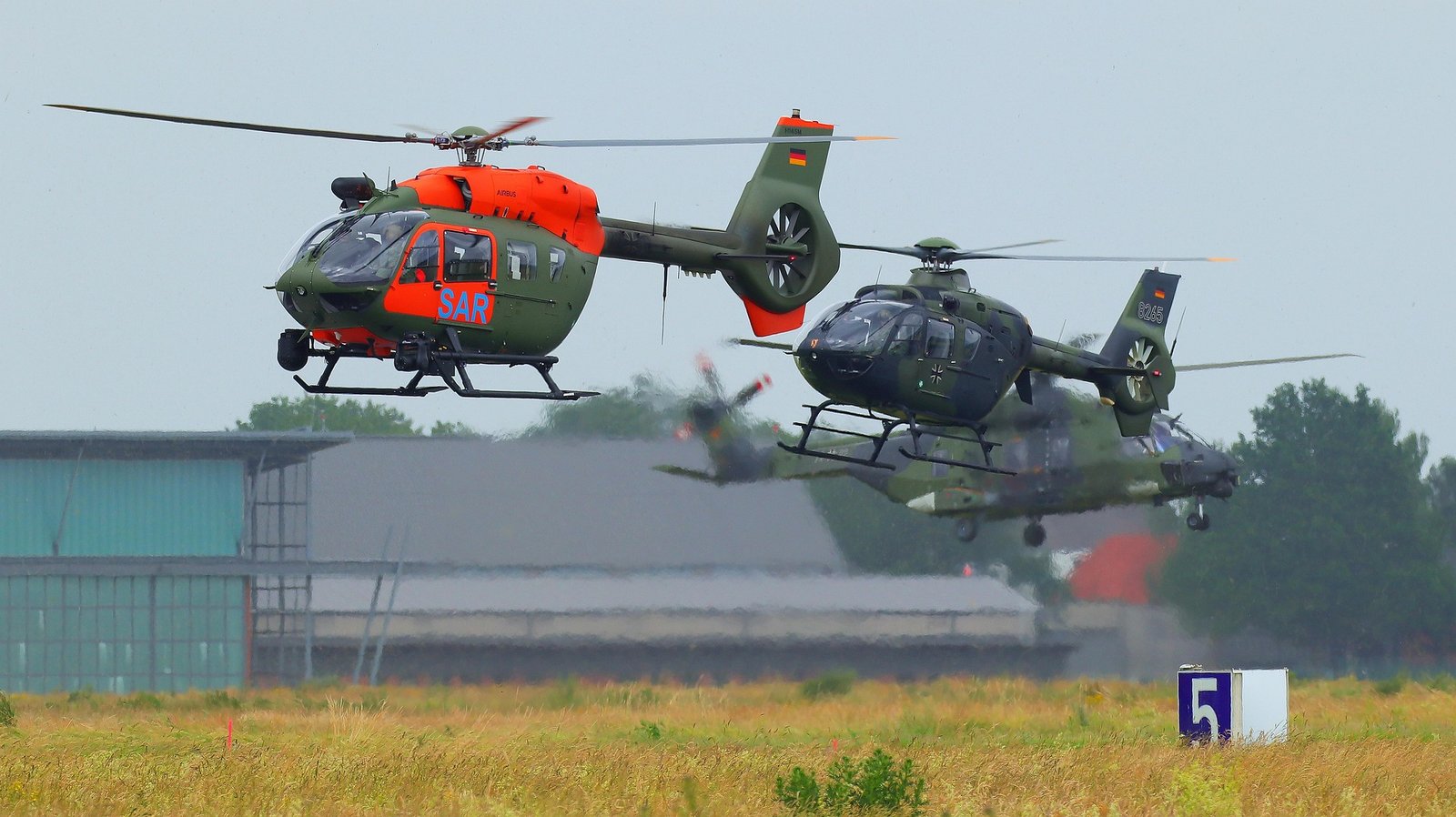

The training mission, codenamed “Smart Fox,” involves approximately 150 reservists and civilian volunteers at the Bodelsberg training ground in Oberallgäu. A growing challenge facing the unit: balancing military service with civilian employment.
Simulating Sabotage and Real-World Threats
During one of the exercises, a van speeds onto the scene, masked individuals leap out, and tree trunks are thrown across a road to block a military convoy—an improvised sabotage tactic. These realistic scenarios are part of tactical training that prepares soldiers for acts of disruption and crisis events. The aim is to ensure rapid and effective responses to threats on German soil.
Homeland Security Roles Extend Beyond Military Protection
The primary mission of the Homeland Security forces includes safeguarding infrastructure and public institutions. In the event of a crisis, the unit supports police, emergency services, and local authorities. From natural disasters to large-scale emergencies, the regiment acts as an auxiliary force. Continuous training is essential, making operations like “Smart Fox” a core component of readiness.
Reservists and Volunteers as Operational Backbone
Regiment 1 is composed almost entirely of reservists—former soldiers now engaged in civilian careers. However, civilians with no prior military experience may also volunteer after completing relevant training. Among them is Benjamin, 41, a regional director at a district hospital who has served since 2017. “I grew up in peace and have a family and friends. If I can help preserve that peace by serving, I’m proud to do it,” he said, explaining his motivation.
New Homeland Security Division Unites Regional Regiments
Since April 2024, the Bundeswehr has operated a centralized Homeland Security Division that oversees all six regional regiments. With around 1,600 personnel, Bavaria’s Regiment 1 is one of the largest units in this division, forming a critical pillar of national defense and emergency preparedness.
Commander Urges Legal Leave Entitlement for Reservist Training
Colonel Markus Wick, commander of Regiment 1, points to a major obstacle: securing time off from civilian jobs. The so-called “double voluntariness” model requires both the reservist’s willingness to serve and their employer’s agreement to release them—something increasingly difficult amid skilled labor shortages. Wick advocates for a statutory right to six weeks of annual leave for training, which he says would improve operational readiness and ease the strain on working reservists.
Weeklong Field Training to Prepare for Real-World Emergencies
Currently, the regiment is undergoing a weeklong training session in the Allgäu region to simulate real emergency conditions. While participants hope these scenarios remain hypothetical, they recognize the importance of being prepared. As Benjamin put it: “No one at the fire department wants a fire to break out—but they train for it anyway.” That mindset also drives Germany’s Homeland Security forces, providing a protective safety net in times of uncertainty.