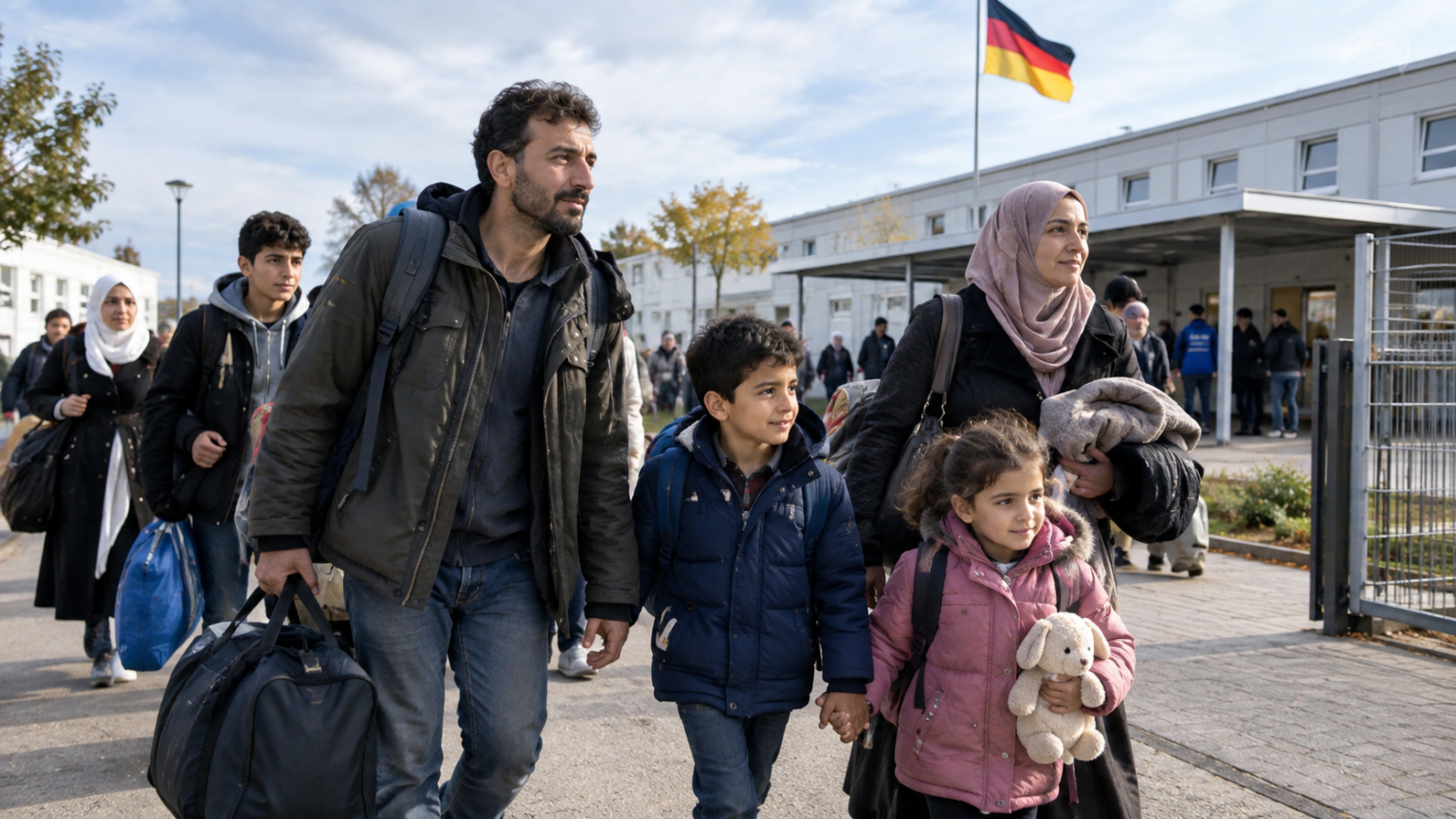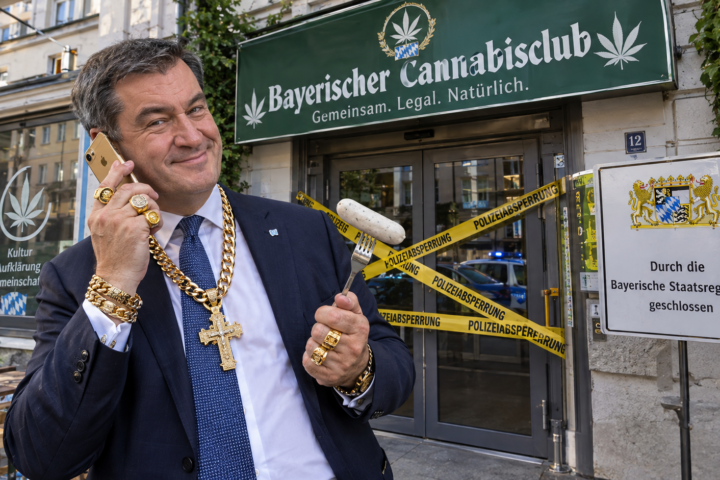

Munich – Bavarian State Premier Markus Söder has defended the rejection of asylum seekers at Germany’s borders, reaffirming his uncompromising position on migration policy. In an interview with Bild, the CSU leader stated unequivocally: “It is legally possible, so we are implementing it.”
Söder is calling on Federal Interior Minister Alexander Dobrindt to introduce a broader and stricter national migration strategy. “This is a strong start, but it won’t stop here,” he said. Proposed next steps include reforms to citizenship law, a halt to deportations to Afghanistan, and expanded classifications of safe countries of origin to increase deportation efforts.
The controversial border rejection order was issued by Interior Minister Dobrindt the previous week. While presented as a measure to curb illegal migration, it has triggered concerns over its compatibility with European Union law.
Neighboring Countries Voice Objections
Austria reacted quickly. Its Interior Ministry emphasized that Germany must adhere to EU law in all migration-related measures, warning that deviations from EU norms would not be tolerated. Polish Prime Minister Donald Tusk also expressed reservations during a meeting with CDU leader Friedrich Merz, signaling skepticism about the direction of Germany’s migration policy.
Merz defended Dobrindt’s move, drawing parallels to the temporary border controls enacted during the UEFA Euro 2024 football championship, arguing that the measure had precedent.
Police Union Raises Operational and Legal Concerns
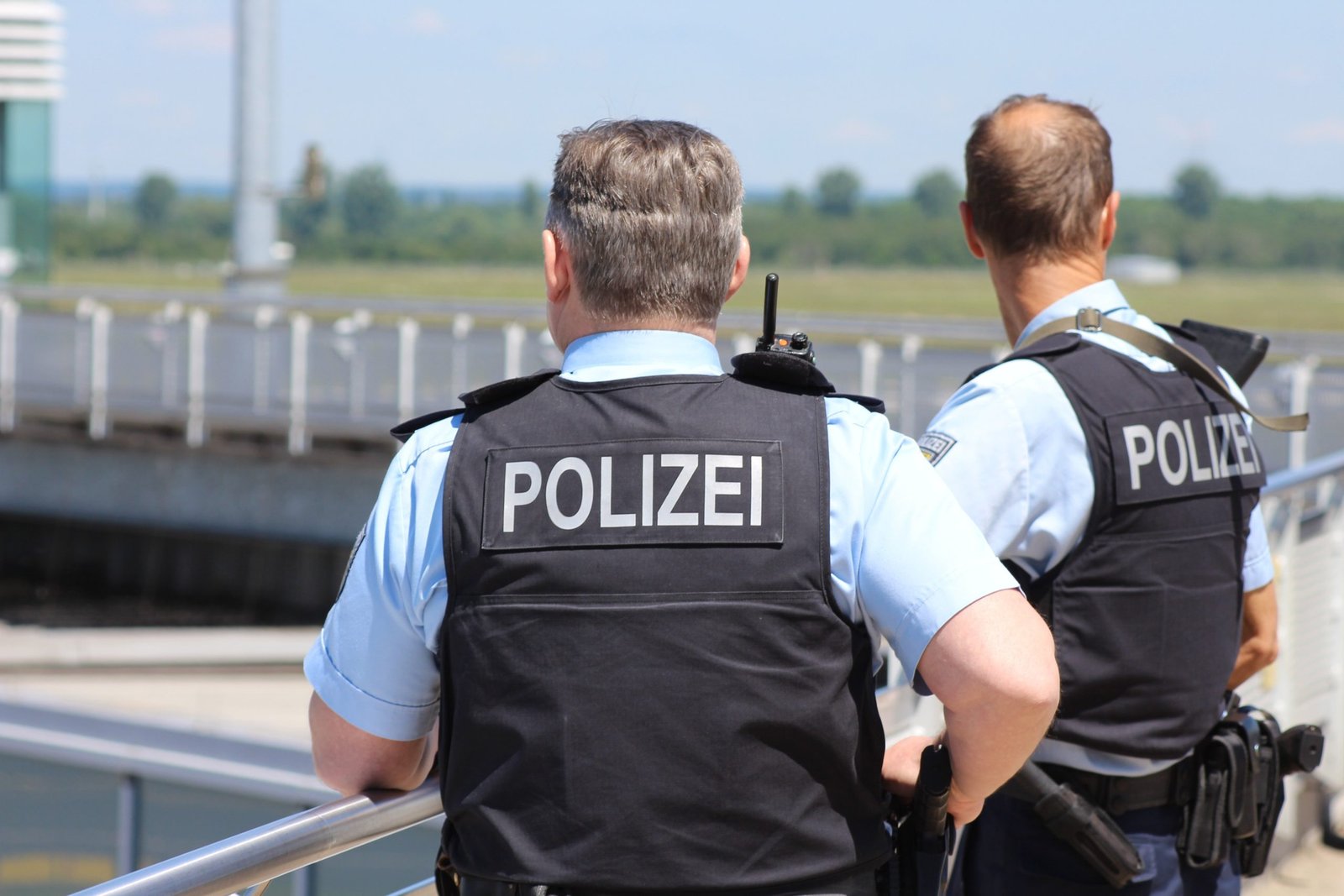
Not all support the directive. Andreas Roßkopf, chairman of the Police Union (GdP), confirmed that officers were prepared to enforce the policy — with exceptions for pregnant women, people with serious medical conditions, and unaccompanied minors. However, he cast doubt on both the feasibility and legal foundation of the action. “The directive is binding for our officers, but its legal durability and practical application are unclear,” Roßkopf told Bild.
Political Pressure and Message to Migrants
Despite the backlash, Söder insists that border rejections send a crucial message. “These actions will make people think twice before deciding to come to Germany,” he said. He also believes the tougher stance will increase pressure on existing migrants in Germany to leave voluntarily, as the likelihood of obtaining permanent residence diminishes.
While Söder’s push aligns with growing demands within conservative ranks for stricter immigration enforcement, the ongoing criticism highlights deep divisions within Germany and Europe over the legal and humanitarian implications of border policy reform.