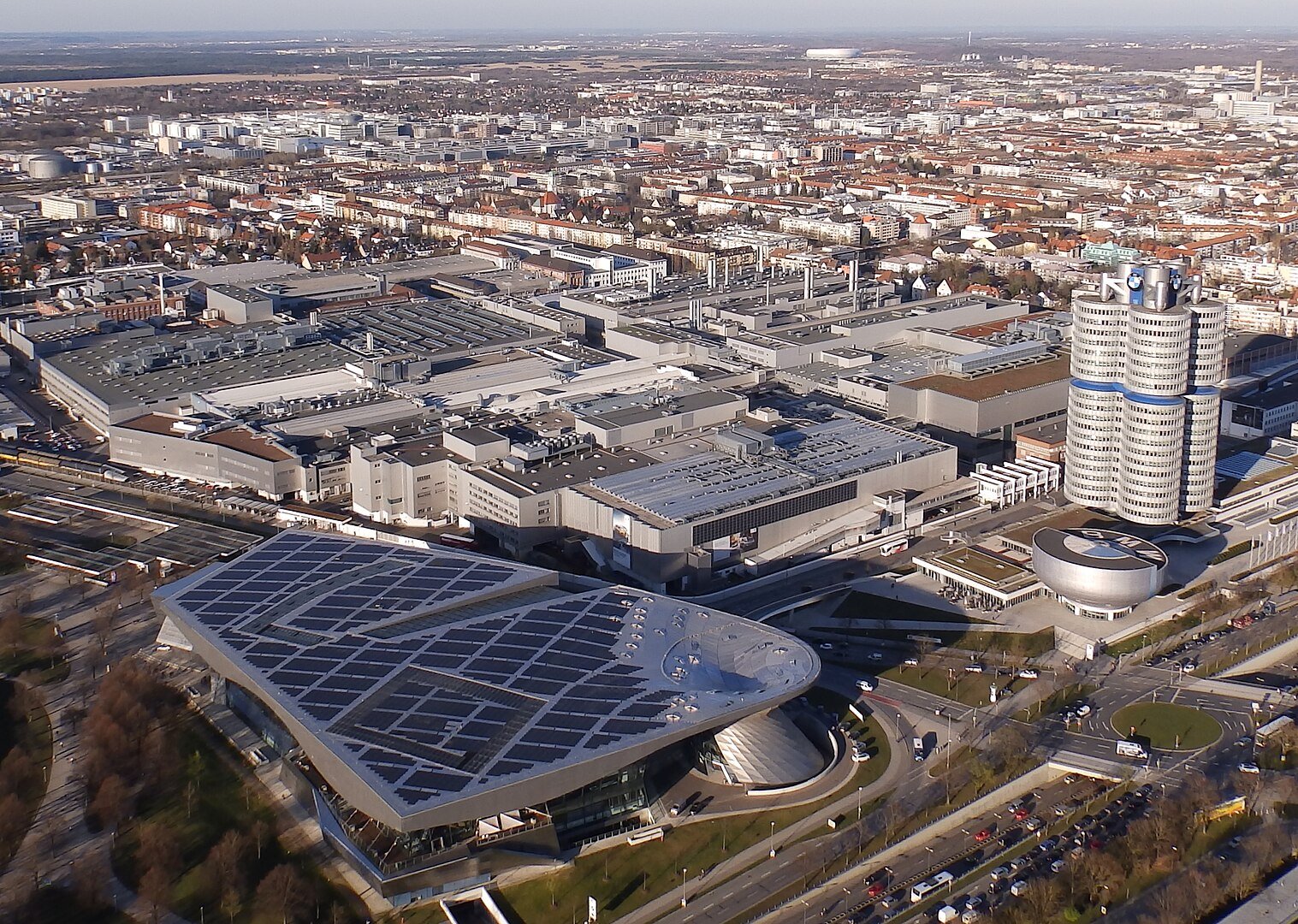

Munich — Automaker BMW has launched an international vehicle recall spanning several series. According to the Munich-based group, the total number of affected cars reaches six figures. In Germany alone, 28,582 vehicles must be taken to workshops. While the trade journal kfz-Betrieb reported approximately 575,000 recalled units worldwide, BMW has not officially confirmed this figure to the Deutsche Presse-Agentur news agency.
BMW Recall: Starter Motor Poses Fire Hazard
The recall stems from internal quality audits that revealed a specific component of the starter can wear out after an exceptionally high number of engine starts. The component in question is the starter solenoid (magnetic switch). Consequently, the car may become difficult to start or, in extreme cases, fail to start altogether.
However, the risk goes beyond a simple failure to start. According to BMW representatives, a short circuit can occur, leading to local overheating of the unit. In the most unfavorable scenario, this poses a risk of the vehicle catching fire during operation. Drivers who notice a burning smell or smoke—whether while driving or after exiting the cabin—should react immediately. The manufacturer also advised never to leave a vehicle unattended while the engine is running.
The list of affected models is extensive, including:
- 2 Series Coupe
- Various versions of the 3, 4, and 5 Series
- 6 Series Gran Turismo
- 7 Series Sedans
- X4, X5, and X6 SUVs
- Z4 Roadster
Production Period Cannot Be Precisely Restricted
The recall involves vehicles equipped with a starter relay manufactured between July 2020 and July 2022. However, BMW explained that defining a precise production window for the vehicles themselves is difficult. This is due to varying logistical timelines between the manufacturing of the starters and their installation on the assembly line. Furthermore, vehicles that received the faulty component later during repair work are also subject to the recall.
Previously, in the autumn of 2025, BMW had to recall several hundred thousand cars due to starter issues and potential fire hazards. On that occasion, the cause was water ingress leading to corrosion rather than mechanical wear. In that instance, a short circuit and subsequent fire were also considered likely, though a significant difference was that the problem could manifest even when the engine was switched off.
Source: dpa

Latest Posts