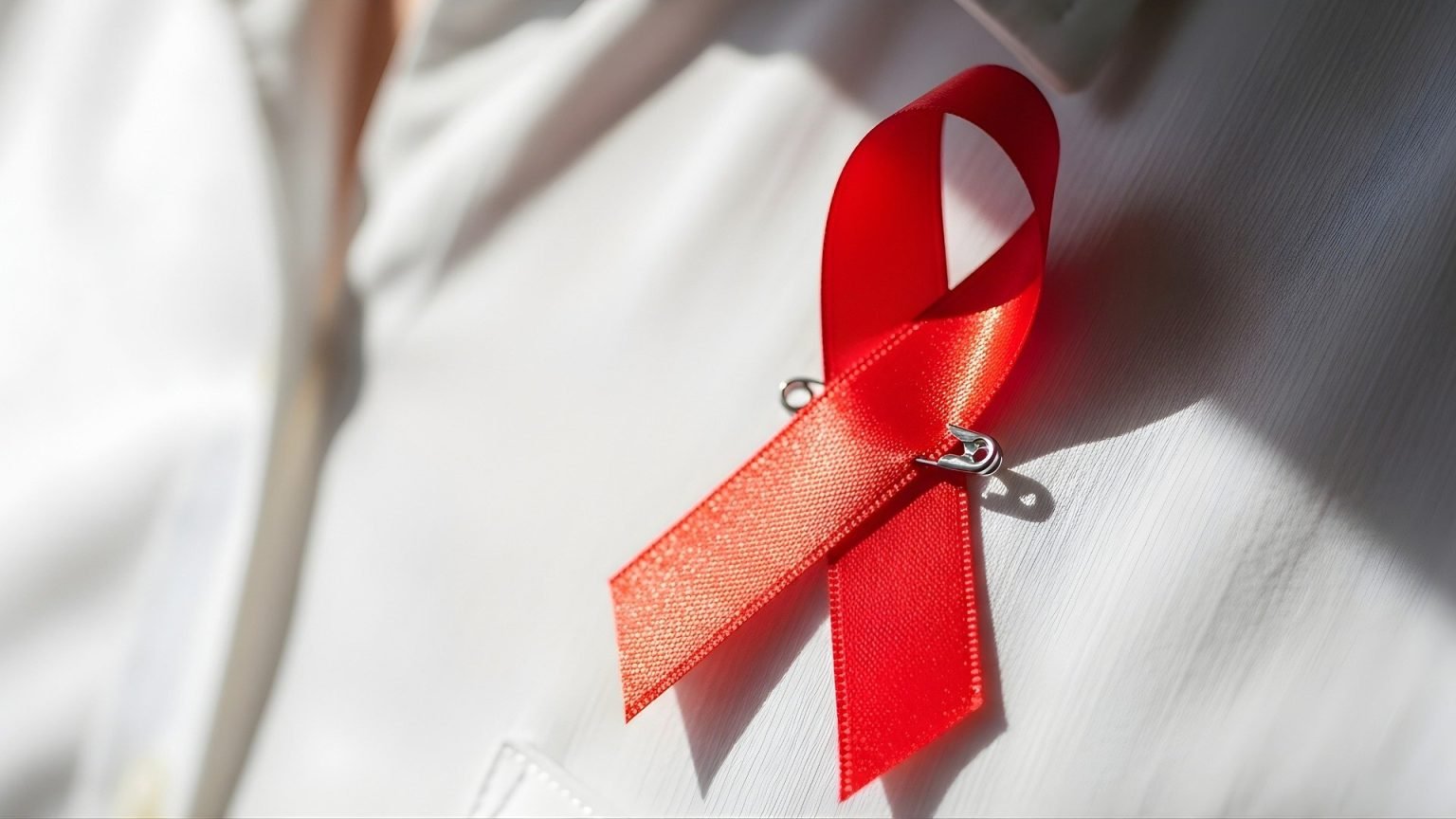
At the same time, there is also positive news: the number of new HIV and hepatitis B infections has declined.
As in previous years, the number of syphilis diagnoses in Bavaria has gone up. According to the Bavarian Ministry of Health, 1,512 cases of the sexually transmitted disease were registered last year.
No Vaccine Available Against Syphilis
In 2023, 1,455 infections were reported, compared to 1,387 in 2022. If left untreated, syphilis can cause severe organ damage and affect the brain. A preventive vaccine is not yet available. Experts recommend that people at higher risk—especially those with frequently changing sexual partners—get tested every three months.
Decline in HIV and Hepatitis B Cases
The number of new HIV diagnoses in Bavaria dropped from 645 cases in 2023 to 586 in 2024. However, officials warn this should not be seen as an all-clear, since there can be months or even years between infection and diagnosis. Hepatitis B numbers also fell, from 4,366 cases in 2023 to 4,025 in 2024. In 2022, the figure had already been lower due to the pandemic, with 2,950 cases recorded.
Hepatitis B Vaccine Strongly Recommended
Hepatitis B is highly contagious and can develop into a chronic disease. A highly effective vaccine has been available since the 1990s and is part of the standard childhood immunization program. It is especially important for healthcare workers, since transmission often occurs through blood. Unprotected sexual contact and shared use of contaminated needles also carry a high risk. Around five percent of adults with hepatitis B develop a chronic form of the disease.
With information from dpa.