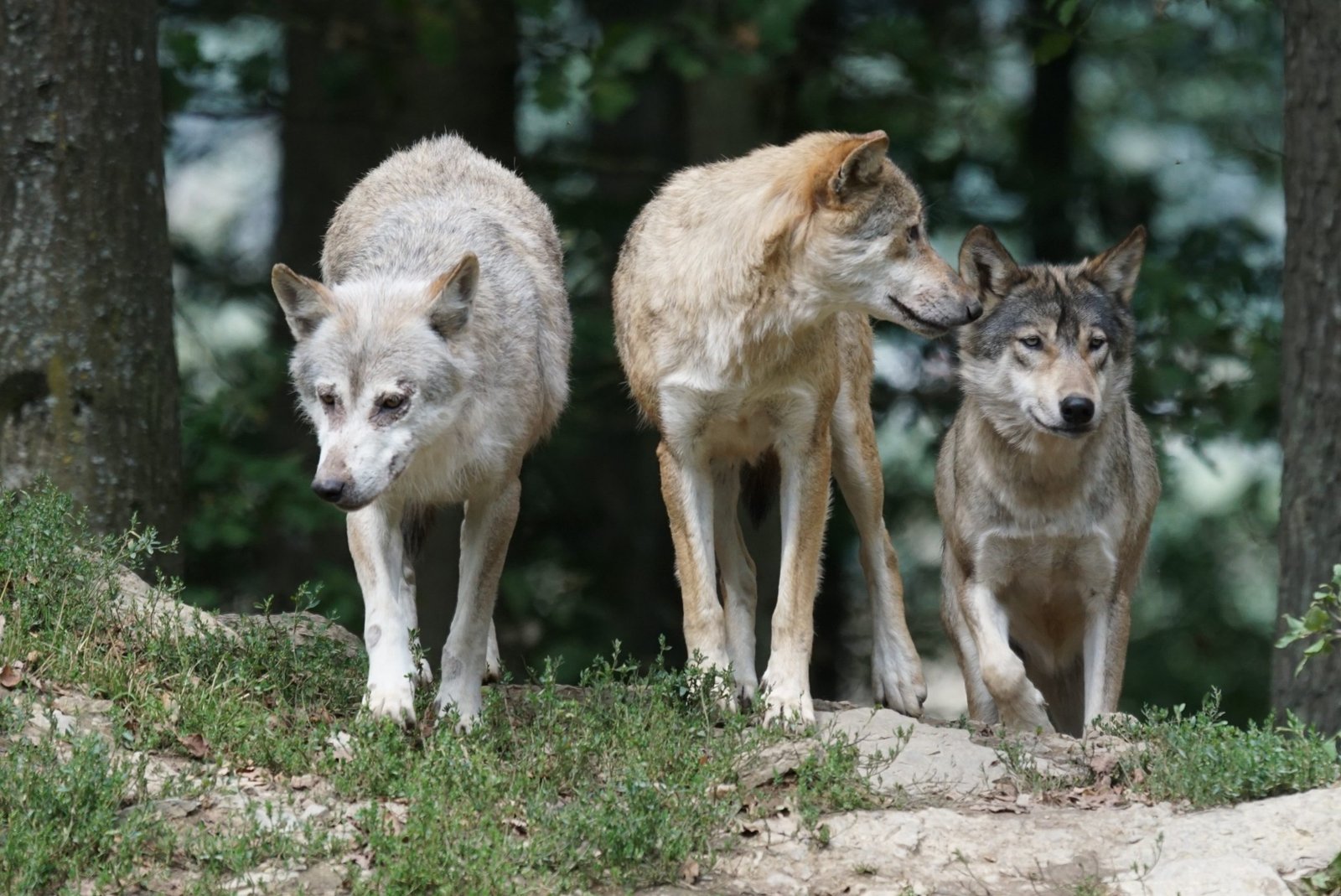

In a session held in Strasbourg, a majority of MEPs supported the reclassification of wolves from “strictly protected” to “protected.” While the final decision still requires approval by EU member states, this is widely expected, as several countries support the change to better safeguard livestock grazing practices.
Impact on German Law Requires National Action
According to a spokesperson from Germany’s Federal Ministry for the Environment, the EU vote does not immediately alter national legislation. Any legal change in Germany would require amendments to the Federal Nature Conservation Act and potentially the Federal Hunting Act. Therefore, there is no automatic implementation of the EU decision at the national level.
However, the German coalition agreement commits the government to quickly enact relevant EU decisions. This includes laying the groundwork for legally permitting targeted removals of wolves and potentially integrating the species into national hunting laws.
Environment Ministry Stresses Continued Protection
Despite the reduced EU classification, German authorities insist wolves will remain protected. “The wolf continues to be a protected species,” the ministry emphasized. However, in areas where there are recurring incidents involving wolves, authorities may be allowed to respond more swiftly. The Federal Council (Bundesrat) has also recently supported calls for easing restrictions on the removal of problematic wolves.
Proposal Originated from European Commission
The downgrade is based on a recommendation by the European Commission, which had responded to earlier demands from the European Parliament. Central to this effort is a revision of the Fauna-Flora-Habitat Directive (FFH), which governs species protection in the EU. The reform aims to give member states greater flexibility in managing wildlife — provided that the “favorable conservation status” of the species is maintained.
Animal Welfare Advocates Decry the Decision
Environmentalists and animal protection groups are alarmed. Critics, including representatives of the Green Party, argue the decision lacks a solid scientific foundation. They contend that non-lethal measures, such as improved fencing and herding strategies, can effectively protect livestock without resorting to culling.
Sebastian Everding, an MEP from Germany’s Animal Welfare Party, called the move “scandalous,” warning that targeting a vulnerable species like the wolf for economic reasons is irresponsible in the face of global biodiversity loss.
Conservative Lawmakers Cite Public Safety Concerns
Peter Liese, environmental spokesperson for the CDU/CSU group in the European Parliament, defended the measure, citing public anxiety. Although there have been no fatal wolf attacks on humans in Europe, the threat to pets and livestock is real, he argued. “We must take people’s concerns seriously,” Liese said.
How Serious Is the Wolf Issue?
The wolf debate in Germany has been highly emotional for years, particularly in rural areas where farmers complain of increasing livestock losses. According to Germany’s Federal Documentation and Advisory Center on Wolves (DBBW), wolves injured or killed 5,727 farm animals in 2023 — mostly sheep. A decade earlier, the number was significantly lower.
However, the issue is further complicated by the fact that some of these incidents are caused by stray dogs, not wolves.
Wolf Numbers Continue to Climb
Germany’s Federal Environment Ministry reported around 1,600 wolves for the 2023/2024 monitoring year. The German Farmers’ Association estimates a higher number, ranging from 1,800 to 3,300. Across the EU, the European Environmental Bureau (EEB) estimates there are now over 20,000 wolves, reflecting a steady rise in populations.
As EU countries prepare to act on the new guidelines, the debate over how to balance biodiversity protection with agricultural interests is likely to intensify.