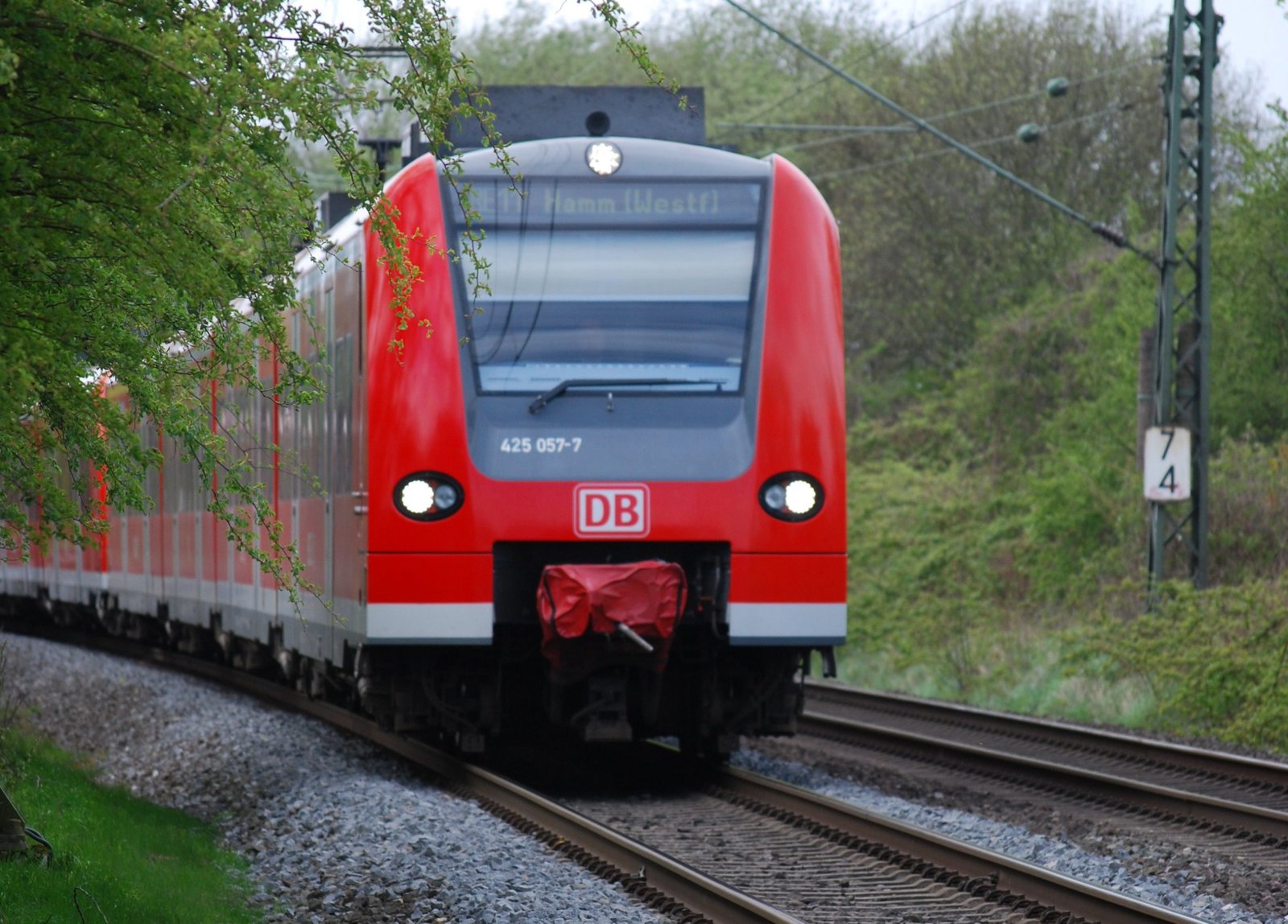

Will the railway and its reduced speed sections cause transport chaos in the Landsberg district? This was the question raised by our editors in mid-October, after it became known that Deutsche Bahn (DB) planned to introduce about half a dozen such sections on the route between Buchloe and Munich next year. This affects about 5,000 daily commuters—schoolchildren, students, and workers from the Landsberg district who travel to the Munich region by train on weekdays. The railway company has now provided information on the impact of the reduced speed sections.
On the routes between Munich-Pasing and Grafrath, as well as between Geltendorf and Kaufering, DB will preventatively reduce speeds ahead of the planned track replacement in the autumn, according to a current press release. Passengers between Munich and Buchloe should prepare for timetable changes for this reason from February 7 to October 31. The affected railway operators and the Bavarian Railway Society have developed a replacement concept that, despite the speed reduction, aims to ensure the most stable train operation possible for passengers on this heavily utilized railway line. The increase in travel time resulting from the speed adjustment will be significantly less than initial estimates.
Travel Time Between Munich and Geltendorf Will Increase Starting February 7
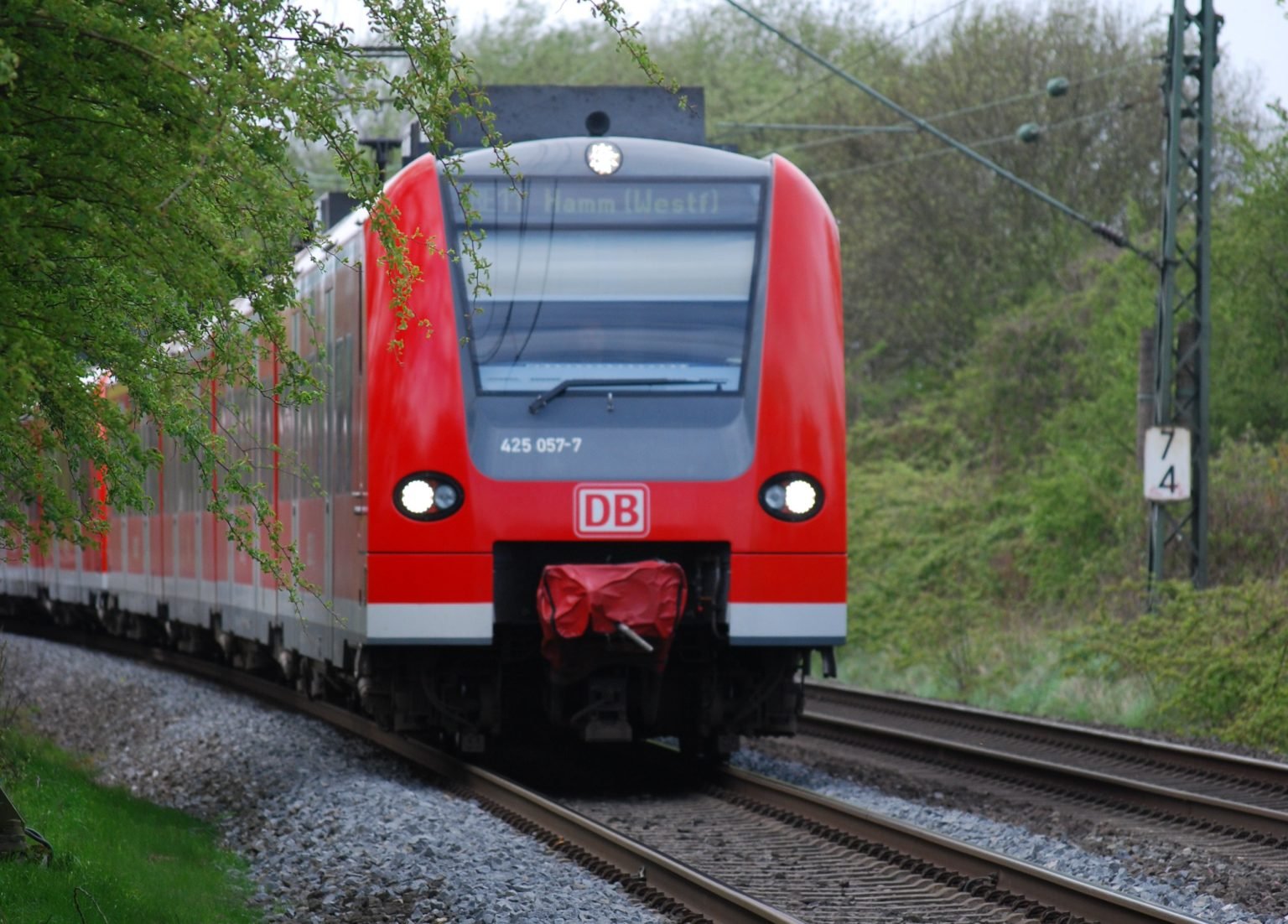
According to current information, regional and S-Bahn traffic between Munich and Geltendorf, meaning Buchloe, will see increased travel times, adjusted departure and arrival times, premature route terminations, and individual train cancellations starting February 7. The planning goal, according to the press release, is for S-Bahn arrival and departure times in Pasing, as well as regional and long-distance train times in Buchloe, to remain unchanged as far as possible, so as not to jeopardize the timetable structure on the heavily congested S-Bahn main line in Munich and on the single-track sections in the Allgäu.
Specifically, the routes of the regional trains RB68 Füssen – Munich and RB74 Buchloe – Munich will be shortened and will start or end in Pasing instead of traveling to Munich Central Station as usual. Passengers on the regional express routes to and from Kempten, Lindau, and Memmingen must prepare for longer travel times and departures from Munich up to 20 minutes earlier. Eurocity services between Munich and Zurich will also require a travel time increase of about ten minutes and an earlier departure from Munich of approximately five minutes.
S4 and S20 Timetables Also Require Adjustment
Due to the reduced speed sections, the S4 and S20 timetables must also be adjusted. Once an hour, S4 trains will prematurely terminate their route in Buchenau instead of Geltendorf, though trains that previously terminated in Grafrath will continue to Geltendorf. As a result, departure times for passengers between Buchenau and Geltendorf will shift by up to 20 minutes. Additional peak-hour services between Geltendorf and Buchenau, as well as the additional S20 services between Geltendorf and Pasing, will be canceled due to the changed regional and long-distance train travel times. Therefore, a uniform timetable without additional peak-hour services will be in effect from morning until evening. Adjustments will also occur in regional and long-distance traffic.
According to the press release, DB InfraGO regrets the timetable changes and is actively working on improving the railway infrastructure. In 2026, DB InfraGO will use additional funds to renew about 500 kilometers of track and over 200 points in Bavaria. In total, more than four billion euros will be invested in the railway infrastructure in the Free State of Bavaria next year.
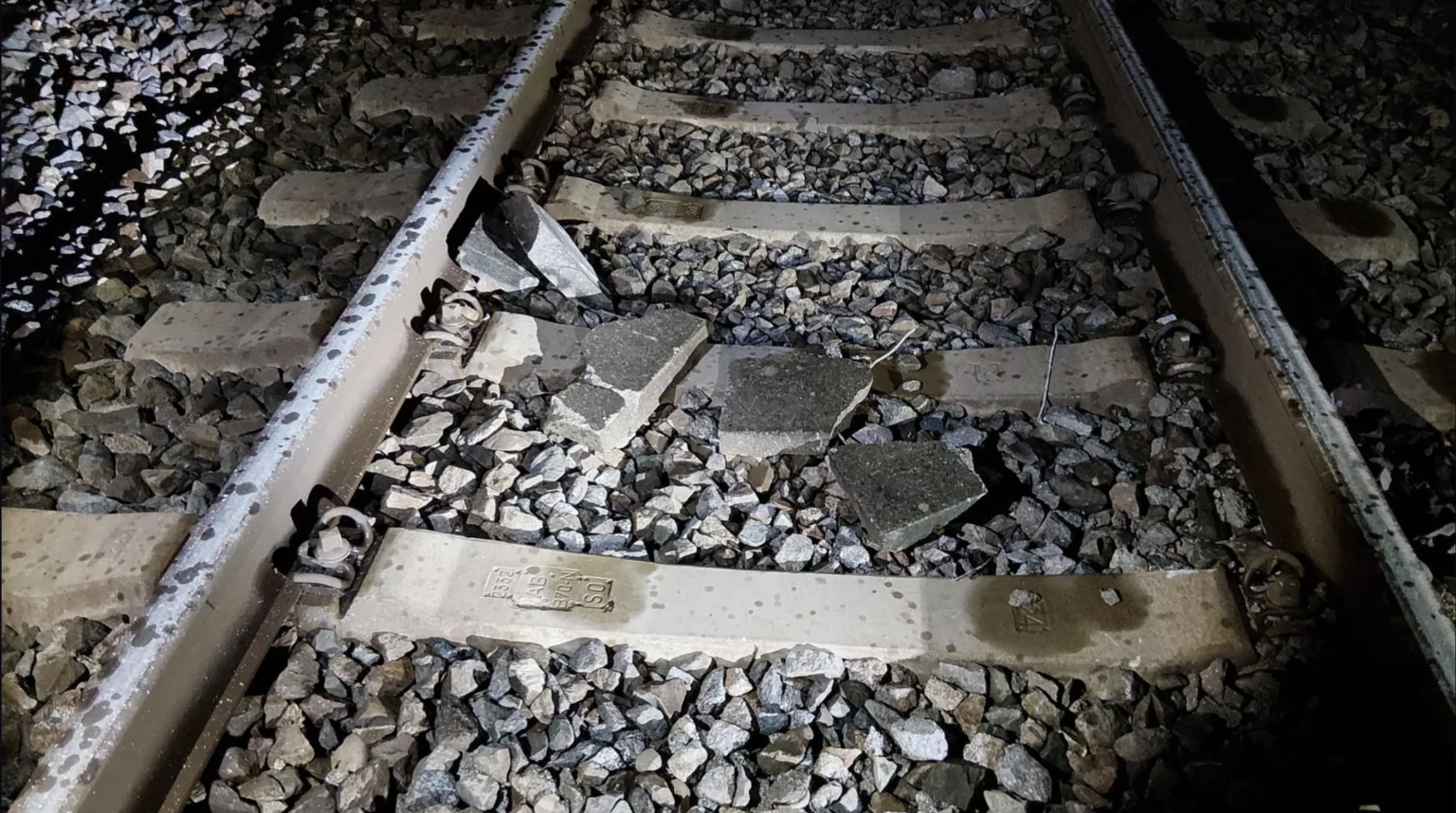
Reduced speed sections are typically introduced to prevent trains from derailing on sections with defective tracks, points, and sleepers. On the route between Buchloe and Munich, Deutsche Bahn is apparently introducing them preventatively to preserve the heavily used sections of the line and prevent more severe damage from occurring. This approach is likely linked to the tragic train accident near Garmisch-Partenkirchen in June 2022. There, according to Deutsche Bahn’s own investigations and the prosecutor’s investigative actions, the company failed to introduce a reduced speed section due to damaged concrete sleepers. A regional train derailed at that location while traveling at about 100 kilometers per hour. Five people died, and other passengers were injured.
Source: Deutsch Bahn