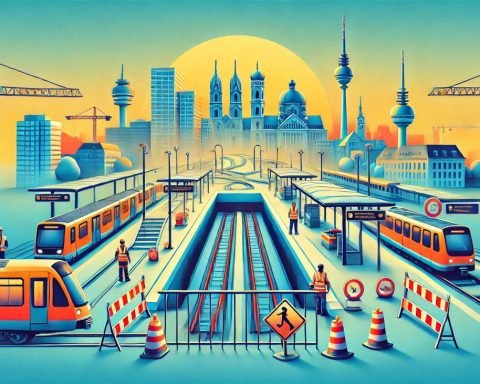
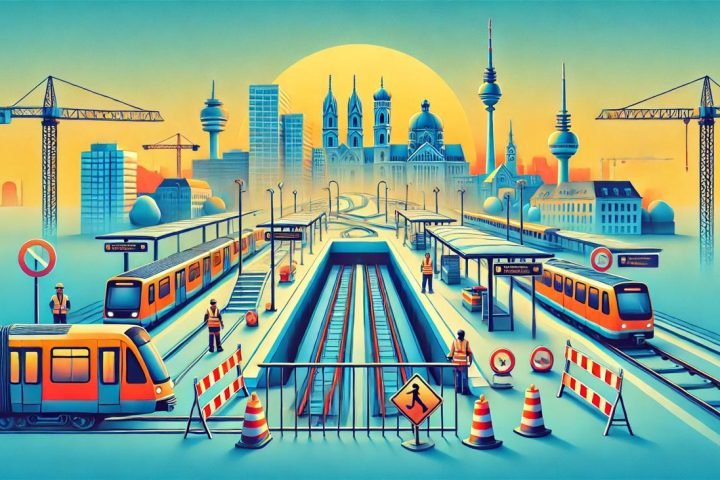
Commuters required significant patience yesterday as the service workers’ union, Verdi, called on local transport employees to participate in a warning strike. In Munich, MVG operations were suspended, leading to severe disruptions. On Monday, no subway trains operated in the city. Regarding trams, MVG reported that only the high-demand Line 20 was initially operational.
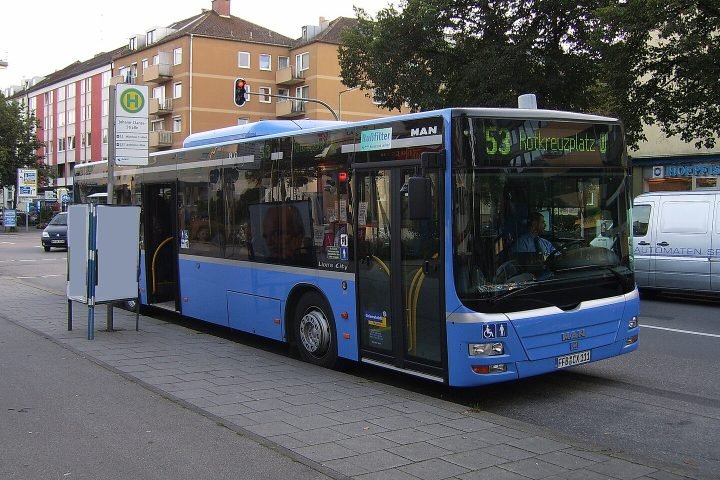
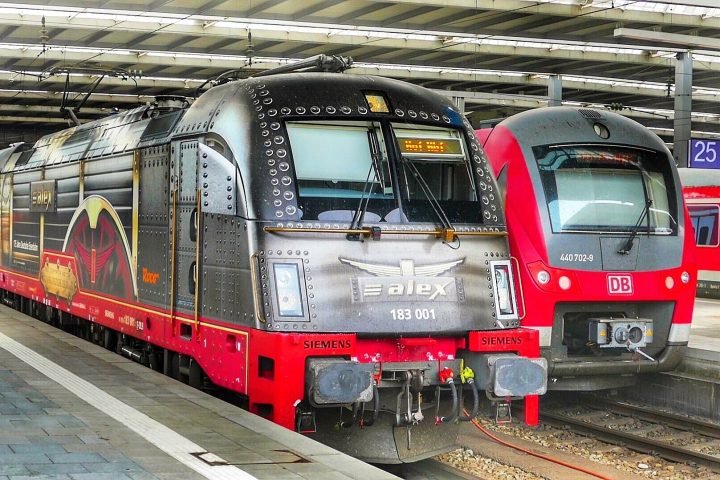
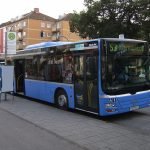
Buses continued to run, as the strike did not affect private bus companies; however, services were irregular and limited to specific sections of routes. Furthermore, these buses were often caught in traffic congestion. The city’s suburban rail (S-Bahn) and regional trains were not affected by the strike.
Munich Commuters Turn to E-Scooters
As anticipated, many Munich residents chose to commute by car on Monday morning. Major arteries and secondary roads across the state capital saw heavy congestion. A similar situation unfolded on bicycle paths. Many commuters had to improvise, such as spontaneously using services like Lime, which rents out e-scooters and e-bikes. A company spokesperson stated that demand soared during the first half of the strike day. The number of trips in Munich on Monday morning increased significantly compared to the previous week. The surge during the morning rush hour between 8:00 AM and 9:00 AM was particularly striking, reaching an incredible 313 percent.
A curious situation developed within the DB Navigator app. Users checking the app yesterday morning found no information regarding the strike. Apparently, the strike data had not been integrated into the system, meaning—virtually, at least—one could plan a trip from Fürstenfeldbruck to Marienplatz and transfer to the subway toward Münchner Freiheit as usual. Railway representatives could not explain yesterday why their application ignored the strike. The company merely noted: “We appreciate the feedback that the display of strike-related restrictions for travelers in the Munich area was not handled optimally in DB Navigator this time.” They added that for cancellations, they rely on data provided by the respective transport companies—effectively shifting the blame to MVG.
Verdi Does Not Rule Out Further Strikes
While traffic is expected to return to normal today, the situation remains tense following this first warning strike. Sinan Öztürk, deputy district head of Verdi, noted that additional warning strikes should be expected before the next round of negotiations with transport companies on February 13.
The Munich branch of Verdi emphasized: “Yes, the strike was a success.” However, they added that it remains to be seen how this action will influence the employers’ negotiation tactics. “No multi-day escalation phase was planned prior to the next round of negotiations.”
Verdi is demanding a monthly salary increase of 668.75 euros for public transport workers. Additionally, they are calling for the standard workweek to be reduced from 38.5 to 35 hours with no loss of pay. The list of demands also includes higher bonuses for Sunday shifts and a contractually regulated minimum rest period of eleven hours. The Association of Municipal Employers in Bavaria has labeled these demands unrealistic.
Until an agreement is reached, passengers should prepare for further transport stoppages. Öztürk concluded: “We will provide advance notice regarding when and for how long future actions will take place.”
Source: tz.de

Latest Posts